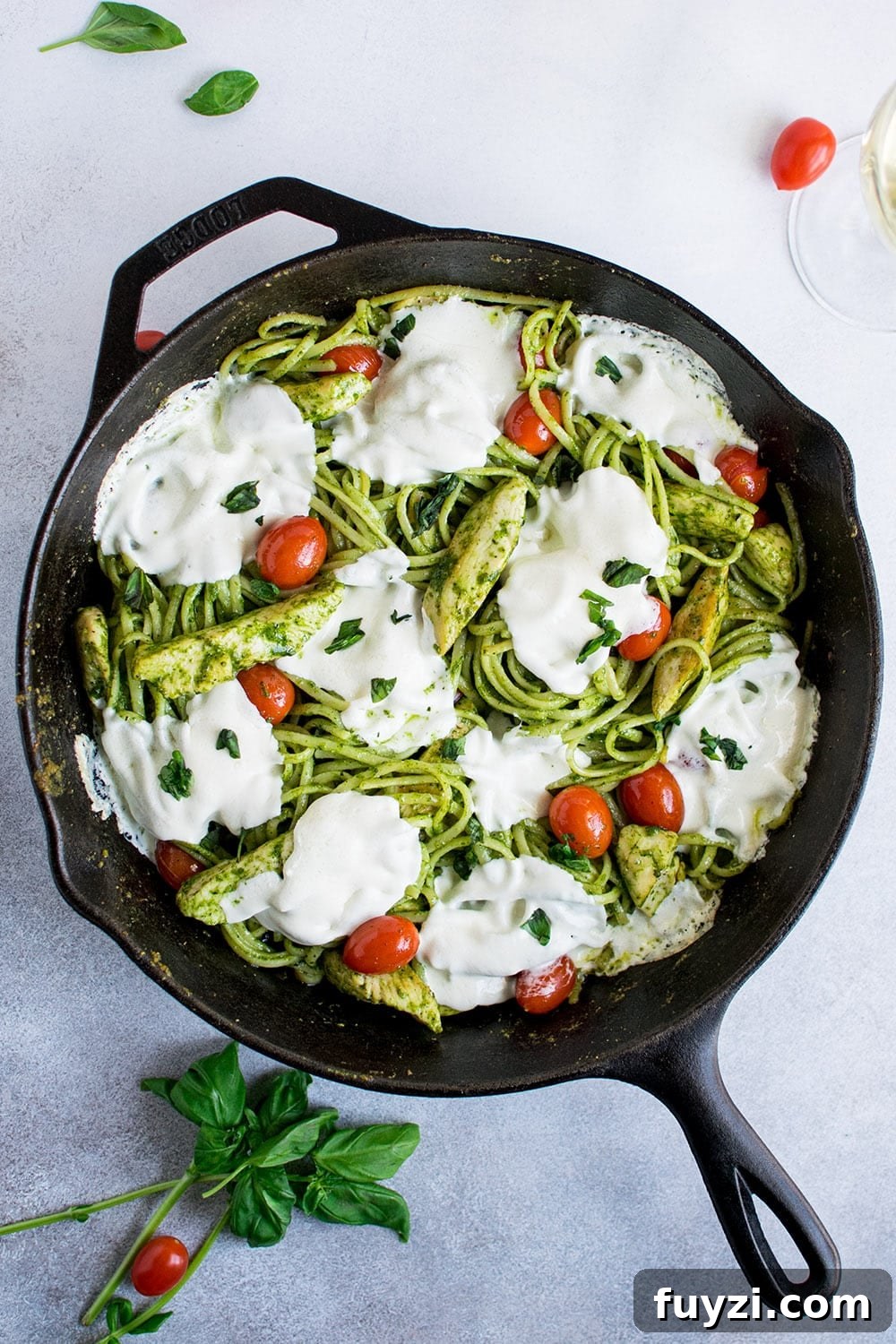
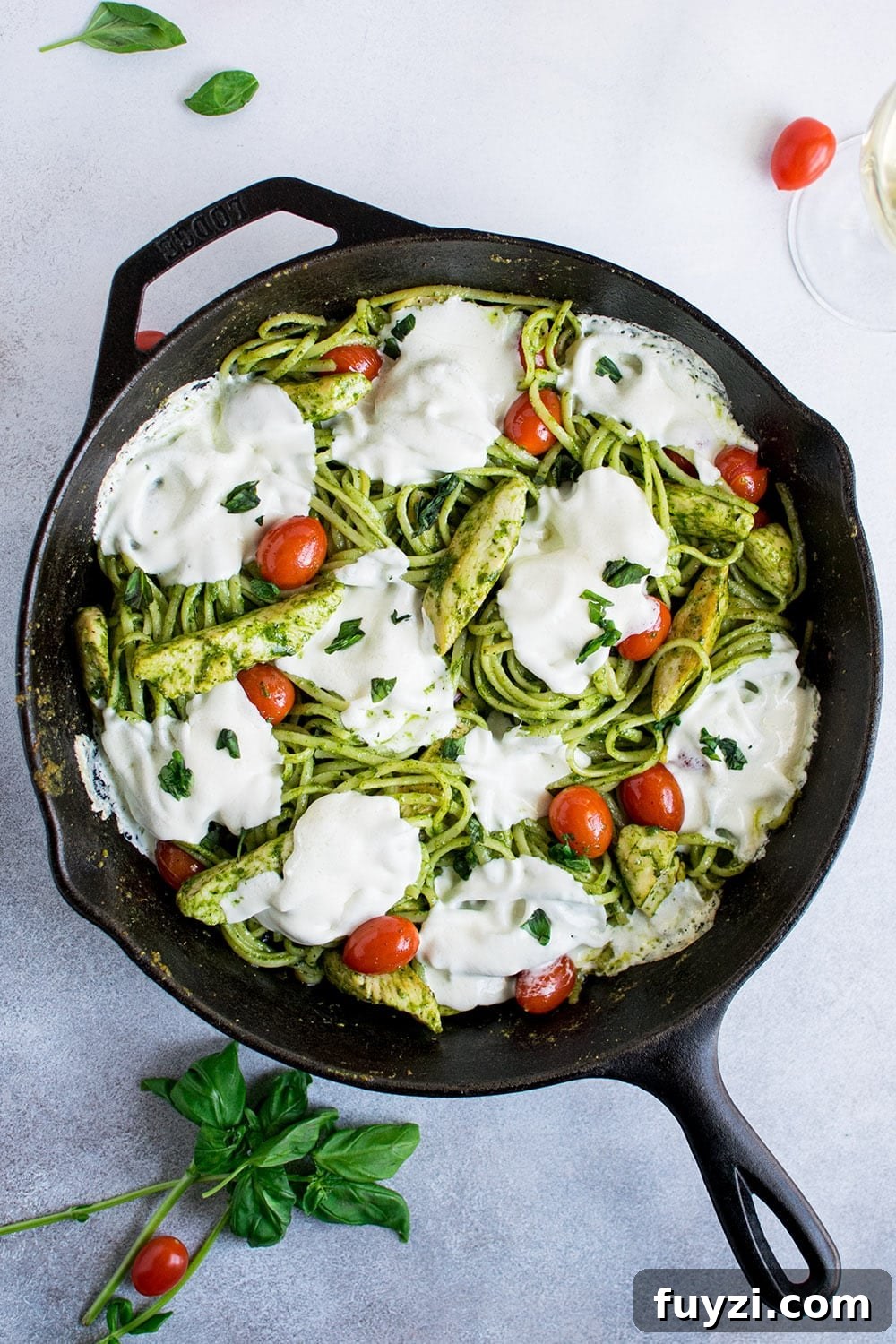
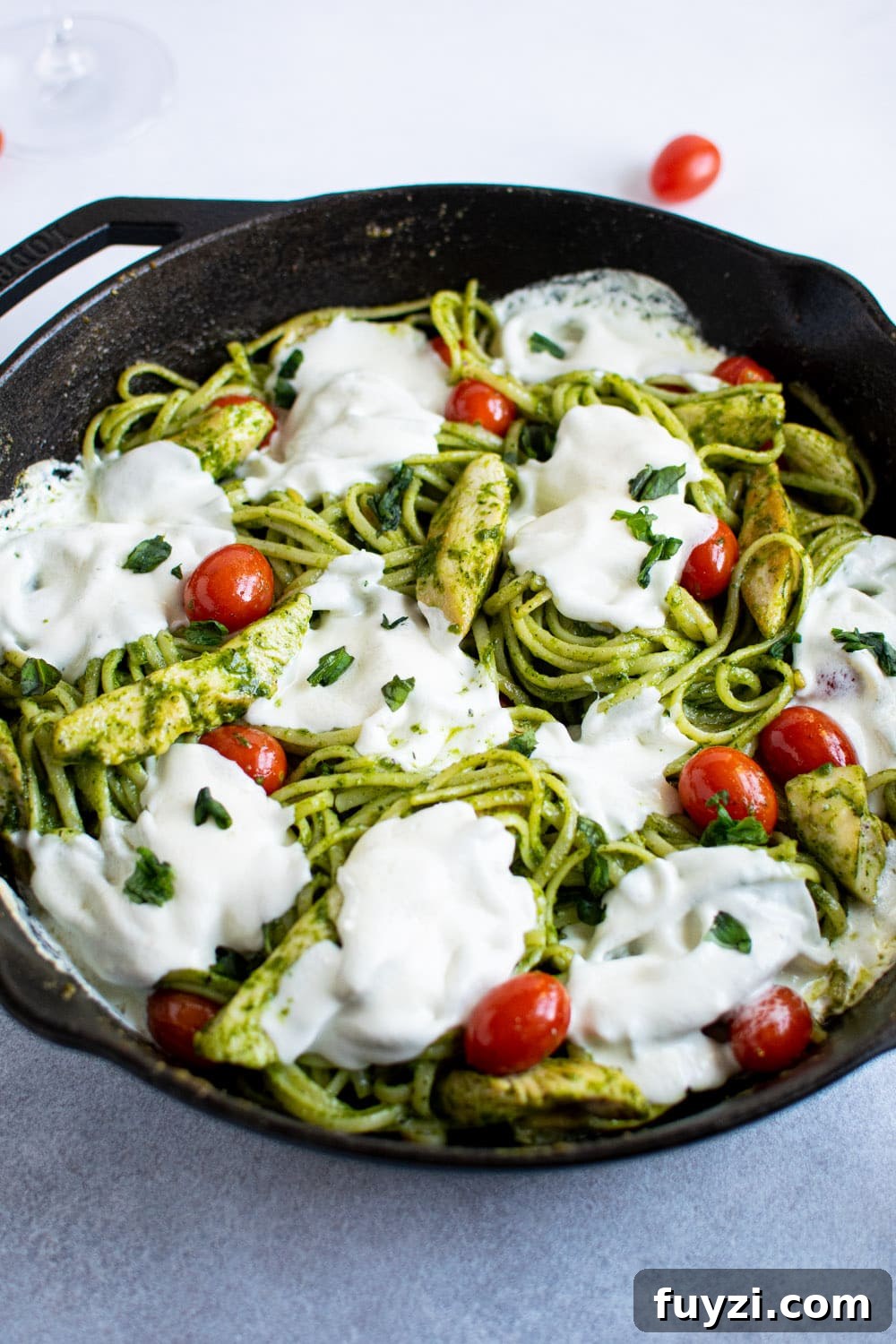
This chicken pesto pasta combines linguine, grilled chicken strips, fresh mozzarella, homemade basil pesto, and sweet cherry tomatoes sautéed in olive oil. Baked just long enough to melt the mozzarella, it delivers a creamy, cheesy finish and bright, authentic Italian flavors. Use your favorite pasta—linguine, spaghetti, or penne—and top with extra basil for a fresh finish.
Fresh Basil Pesto
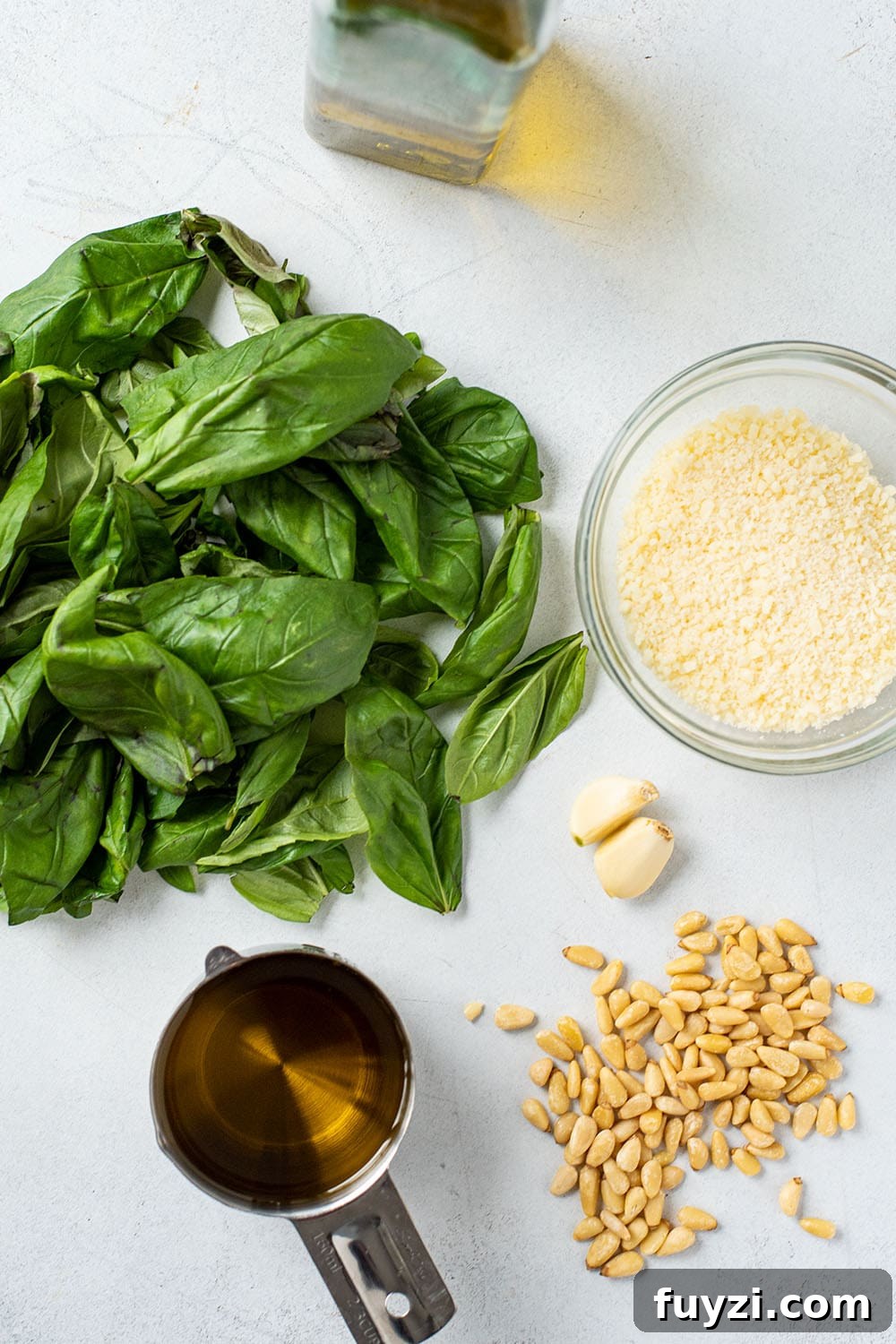
Fresh basil pesto makes all the difference. Homemade pesto is simple to prepare and far more vibrant than store-bought jars. A classic pesto needs fresh basil leaves, good extra virgin olive oil, pine nuts (or walnuts), a clove of garlic, grated Parmesan (or Pecorino Romano), salt, and pepper. Pulse everything together until it reaches a slightly coarse texture — not a completely smooth puree — so the sauce keeps that bright, herbaceous bite.
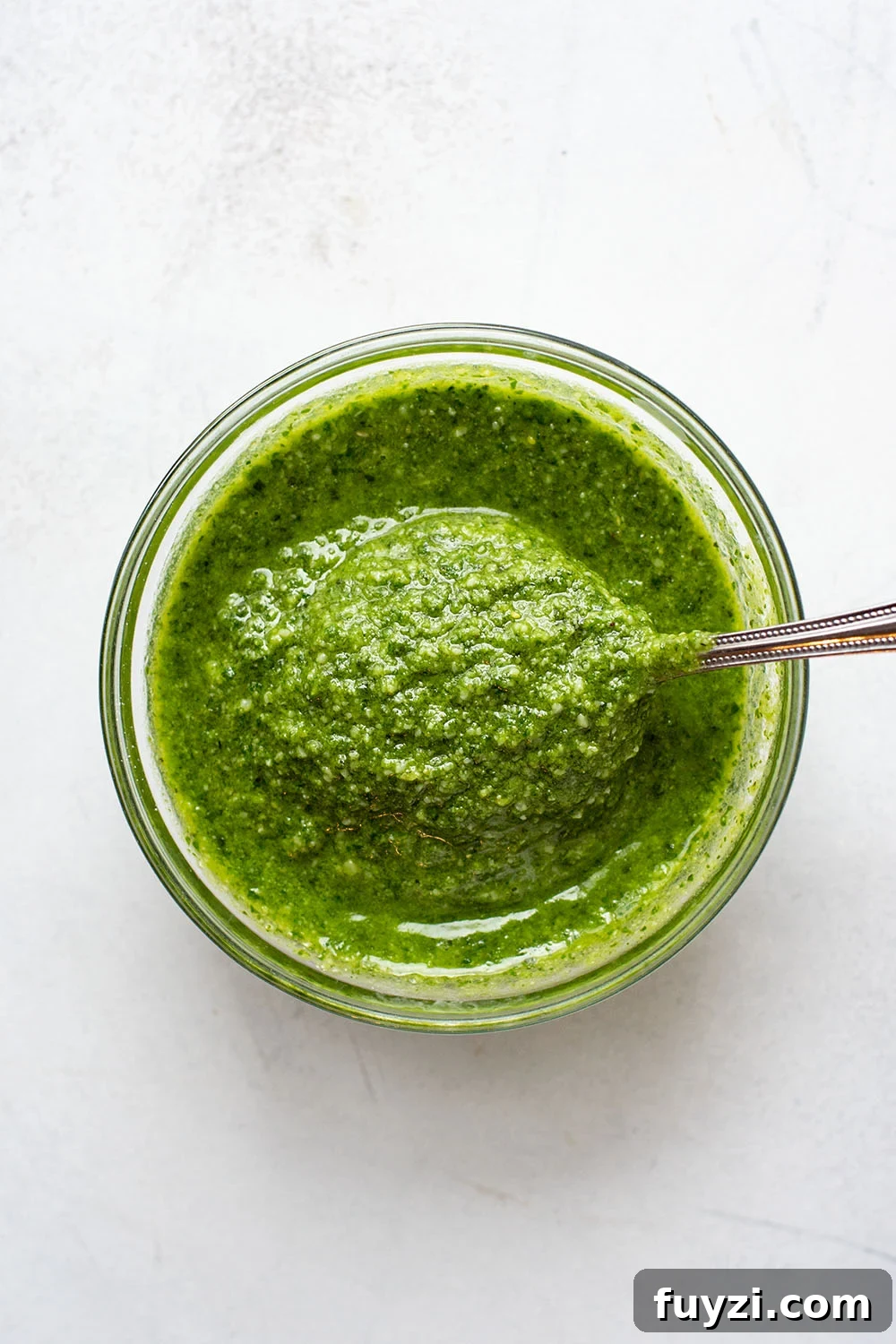
When selecting pesto, look for a bright green color — that indicates fresh basil. If you buy locally made pesto at a farmer’s market, it will often be greener and more vibrant than mass-produced jars. Still, the best flavor comes from making pesto at home right before serving.
Tips for Making Homemade Basil Pesto
- Pesto is easiest in a food processor, but a single-serve blender works in a pinch. Pulse gently to avoid turning the sauce into a paste; shake or scrape the sides between pulses.
- Texture: Aim for a thick, slightly granular pesto. If it’s too dense, add more olive oil a tablespoon at a time until it loosens.
- Use extra virgin olive oil and fresh ingredients. Avoid substituting neutral oils like canola or vegetable oil if you want full flavor.
- Never use dried basil. Fresh basil leaves are key to pesto’s bright aroma and taste.
- If you run out of basil and the pesto seems thin, add some baby spinach to bulk it up. As a last resort, a small pinch of cornstarch can thicken the sauce without changing flavor.
- Season with salt and pepper after blending. A little salt helps the basil and cheese pop.
- Fresh garlic gives the best flavor; garlic powder can be used if needed.
- Walnuts are an economical substitute for pine nuts. Omitting nuts creates a nut-free pesto that still tastes great.
More Pesto Recipes You’ll Love
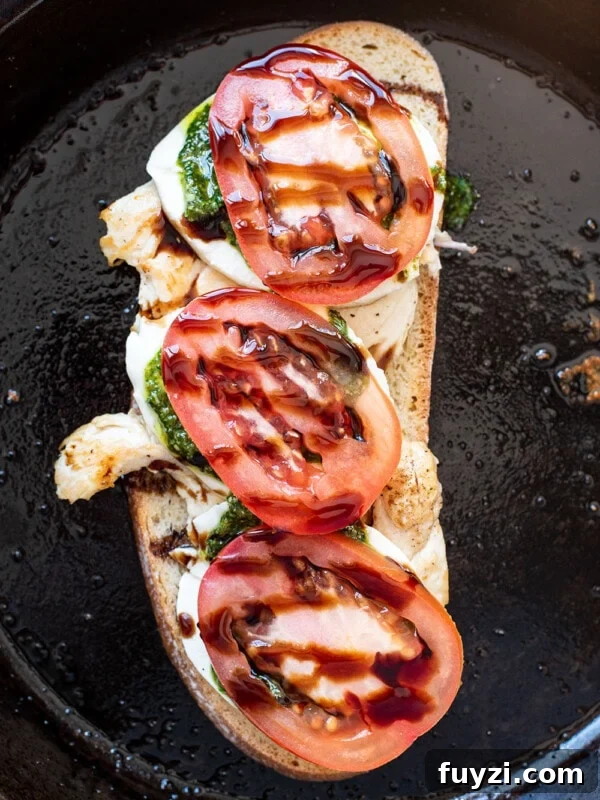
Chicken Pesto Panini Recipe
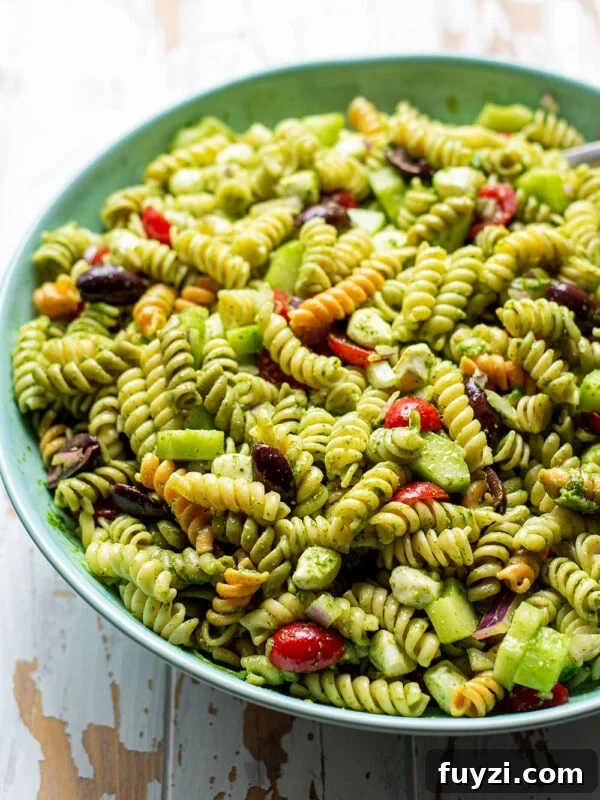
Pesto Pasta Salad Recipe
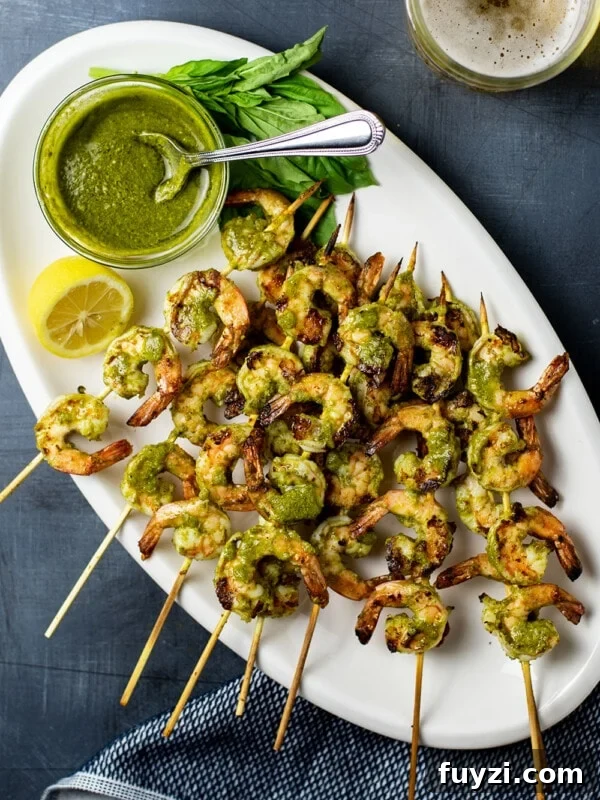
Grilled Pesto Shrimp Skewers Recipe
Enjoy this recipe? If you made it, please leave a star rating in the recipe card below and a review in the comments!
Chicken Pesto Pasta Recipe
By: Shawn Williams
Servings: 4
Prep: 10 mins Cook: 20 mins Total: 30 mins
Ingredients
- 1 pound linguine, spaghetti, or penne
- 2 chicken breasts, sliced into strips
- 8 ounces fresh mozzarella pearls, or cubed ball
- 1 cup basil pesto
- 1 cup cherry tomatoes, halved lengthwise
- 2 tablespoons olive oil
- Extra chopped basil as garnish
- Salt and pepper to taste
Homemade basil pesto
- 3 loosely packed cups basil leaves (about 2.5 ounces)
- 3 tablespoons pine nuts
- 1 garlic clove
- 2/3 cup grated Parmesan cheese
- 2/3 cup extra virgin olive oil
- Salt, to taste
Instructions
For the pesto
- Combine basil, pine nuts, garlic, and grated cheese in a food processor or blender. Pulse until combined but still slightly coarse. With the motor running, stream in the olive oil until the pesto reaches a thick, spoonable consistency. Season with salt to taste. Set aside.
For the pasta
- Bring a medium pot of salted water to a boil. Cook the pasta until al dente, then drain well and set aside.
- While the pasta cooks, heat 1 tablespoon olive oil in a large cast-iron skillet or heavy pan over medium-high heat. Season the chicken strips with salt and pepper and cook 5–7 minutes until cooked through. Add the cherry tomatoes and sauté for 2–3 minutes until they begin to soften.
- Remove the skillet from heat. Add the drained pasta and one cup of pesto, tossing until the pasta is evenly coated. Add a splash more olive oil if the pesto feels too thick. Top with fresh mozzarella pearls, return briefly to the oven or under a broiler if you want the cheese melted, then garnish with chopped basil and serve.
Notes
A cup of basil leaves is roughly one handful; I use about 2.5 ounces of basil per batch. Pesto should be thick and slightly granular—add olive oil to adjust the texture. Walnuts can replace pine nuts, or omit nuts for a nut-free version. If your pesto is thin and you’re out of basil, a handful of baby spinach can help bulk it up without changing the flavor significantly. Always taste and adjust salt before serving.
Nutrition
Serving: 1 | Calories: 842 kcal | Carbohydrates: 44.1 g | Protein: 43.8 g | Fat: 52 g | Saturated Fat: 14.3 g | Cholesterol: 176 mg | Sodium: 524 mg | Fiber: 0.9 g | Sugar: 1 g
Nutrition information is automatically calculated and should be used as an approximation.
Additional Info
Course: Dinner
Cuisine: Italian
Tried this recipe? Share your photos and tag the author or use the recipe hashtag to show how it turned out.