7 Medicinal Remedies You Can Create With Marijuana
As marijuana legalization expands worldwide, interest in cannabis-based remedies has grown. Beyond recreational use, many people turn to marijuana for symptom relief and supportive care. The plant contains cannabinoids, including CBD, which may help manage discomfort, inflammation, and other symptoms. If you have surplus cannabis, here are seven practical, easy-to-make remedies that can be prepared at home with basic supplies.
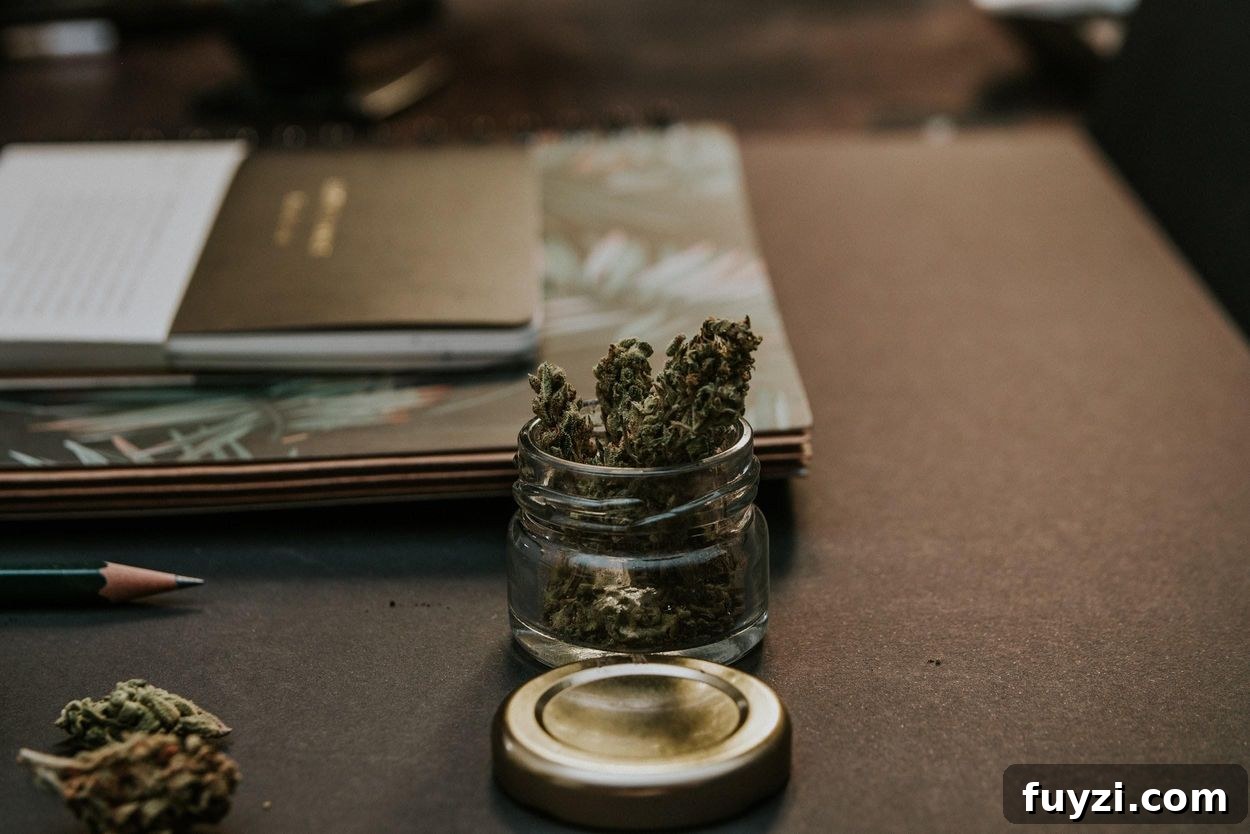
Always check local laws and consult a healthcare professional before using cannabis for medical purposes. Use clean, pesticide-free plant material, and label homemade preparations clearly. Below are straightforward recipes and suggested uses for each remedy.
Medicinal Oil
Many people find cannabis oil helpful for persistent, low-level pain and inflammation. A concentrated oil captures cannabinoids and makes them easy to apply or combine with carrier oils for topical use or other preparations.
How to make it
Choose a high-CBD strain or a balanced strain depending on your goals. Place roughly 20 buds in ethanol (high-proof alcohol) and let them soak for about 10 minutes, stirring gently until the plant material has released its resin.
Strain the liquid and allow the alcohol to evaporate in a well-ventilated area until only the extract remains. Combine the extract with a carrier oil—such as olive, coconut, or jojoba oil—using about 20 parts oil to 1 part extract. Heat and stir gently until well blended. Store the finished oil in a dark glass bottle away from heat and light.
Analgesic Cream
A topical analgesic cream made with cannabis can provide targeted relief for sore muscles and stiff joints. Using CBD-rich material can reduce localized discomfort without producing a systemic high when used appropriately.
How to make it
Heat one liter of water and pour it into a heatproof container. Add half a liter of a carrier oil and immerse about 20 buds in the warm oil-water mixture for 2–3 hours, keeping the temperature low and stirring occasionally. Strain the plant material and cool the mixture to separate water from oil.
Once the oil has separated and solidified, melt it and combine with approximately 50 grams of beeswax until the mixture reaches a creamy consistency. Cool and store the cream in a sealed jar. Apply topically to affected areas as needed.
Homemade Pot Soap
Leaves and small trim that may seem unusable can be incorporated into a moisturizing soap. Cannabis plant material contains vitamin E and fatty acids that can help nourish the skin when made into a gentle soap bar.
How to make it
Warm about 5 kilograms of cocoa butter to roughly 35°C (95°F). In a separate container, dissolve 670 grams of lye in water, following safe lye-handling practices (wear gloves and eye protection, and add lye to water slowly).
Combine the melted cocoa butter with the lye solution and stir for two hours. Add 670 grams of oat flour, 50 milliliters of infused cannabis oil, and 25 grams of hemp flour while mixing. Pour the mixture into molds, allow it to cool for 24 hours, then cut into bars. Cure the soap for the recommended time before use.
Dressing for Wounds
Traditional poultices made from cannabis have been used historically to soothe burns, rashes, and inflammatory skin conditions. Modern topical applications use CBD-rich material to help calm irritated tissue.
How to make it
Lightly warm a few buds and leaves, place them on a clean, damp cotton cloth, and fold the cloth so the plant material sits against the skin when applied. Keep the dressing warm and replace it regularly. Use caution and discontinue if irritation occurs. For open wounds or serious burns, consult a medical professional before applying any herbal dressing.
Root Tea
Cannabis roots have a different profile of compounds than the aerial parts and have been used in some traditional medicines. A simple root tea can be prepared for occasional use, but it should be used sparingly and with knowledge of local regulations and safety considerations.
How to make it
Clean and dry cannabis roots thoroughly. Chop or grind the dried roots into a coarse powder. Simmer a small amount (a teaspoon to a tablespoon, depending on the batch and concentration) in one liter of water for 10–15 minutes, then strain and serve like a mild herbal tea. Use only well-cleaned, pesticide-free roots and consume occasionally rather than daily.
Edibles
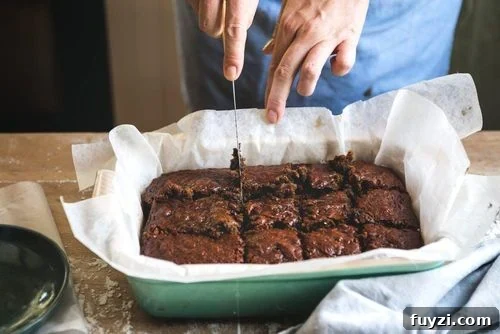
Edible preparations provide a smoke-free way to consume cannabis and allow for longer-lasting, measured effects. Infused butter or oil can be used in baking, sauces, and a variety of recipes.
How to make it
To make cannabis-infused butter (cannabutter), decarboxylate dried cannabis in an oven at low heat for about 30–40 minutes, then simmer with butter on low heat for 2–3 hours, stirring occasionally. Strain out plant material and refrigerate to solidify. Use the infused butter in place of regular butter in recipes for brownies, cookies, or other baked goods. Start with small portions and allow time for effects to appear before consuming more.
Pain Relief Balm
A concentrated balm combining infused oil and essential oils can be soothing for headaches, muscle tension, and localized pain. When formulated correctly, a balm is easy to apply and carries a pleasant aroma from added botanicals.
How to make it
Combine 1 ½ cups of coconut oil with 1/3 cup of olive oil in a pan and warm gently. Add 7–10 grams of dried, finely ground cannabis and simmer on low for about 25 minutes, stirring regularly. Strain the oil and set aside. Melt 1/3 cup of beeswax in a separate pan, then slowly whisk in the infused oil until well combined.
Optionally add 20 drops each of calming essential oils such as lavender, peppermint, or eucalyptus for fragrance and added soothing properties. Pour into jars and allow to set. Apply a small amount to the temples for headache relief or to sore muscles as needed.
Cannabis-based remedies can be a useful addition to a wellness routine when used responsibly. Keep preparations labeled, store them safely away from children and pets, and consult a healthcare provider if you have medical conditions or are taking other medications.