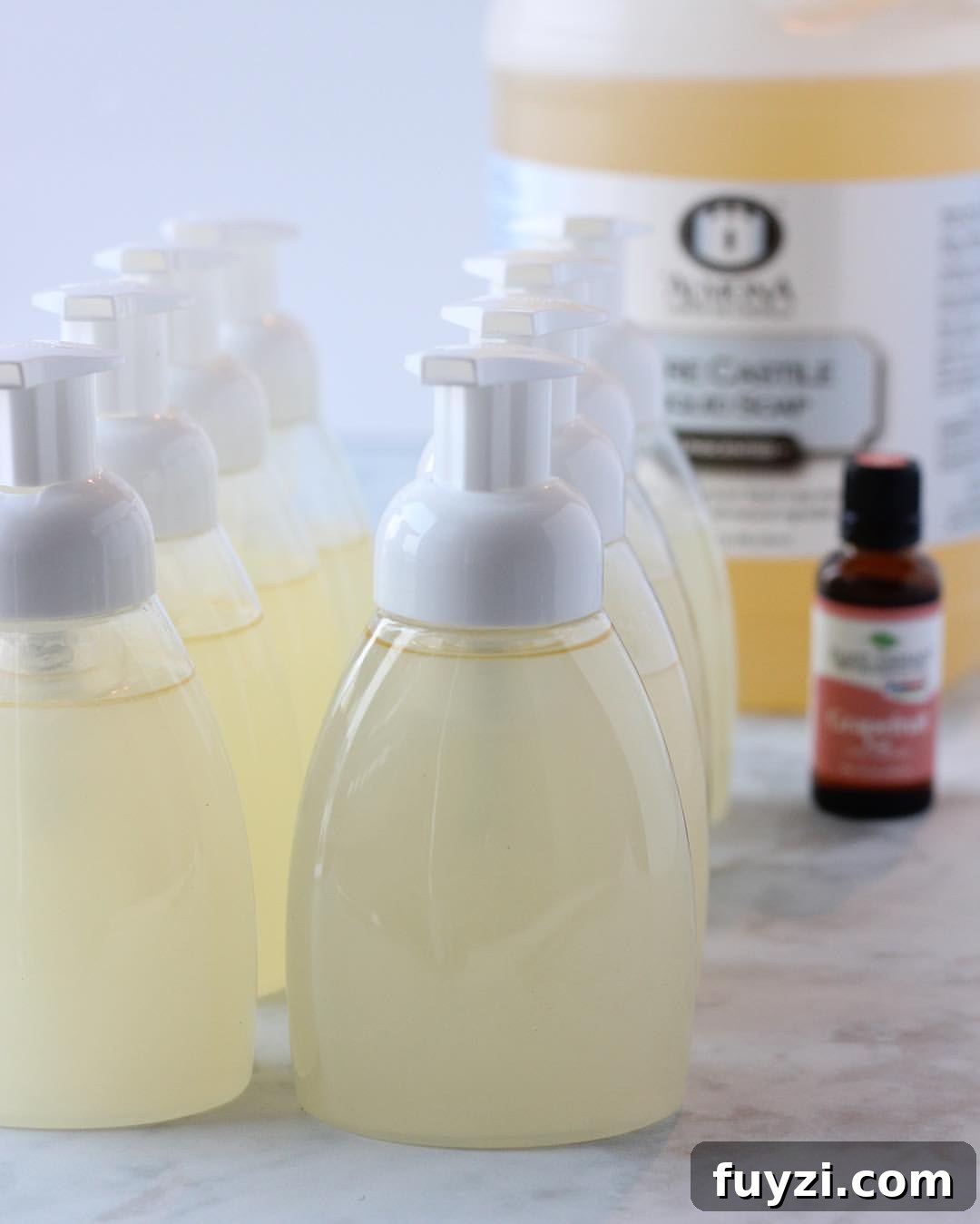
My favorite Instagram account is @just.ingredients. She makes healthier, non-toxic eating and living feel simple and achievable. Recently she pointed out that many conventional hand soaps contain harsh chemicals and parabens that can be absorbed through the skin. She demonstrated an easy, affordable way to make your own clean-ingredient hand soap, and I tried it—I’m thrilled with the results.
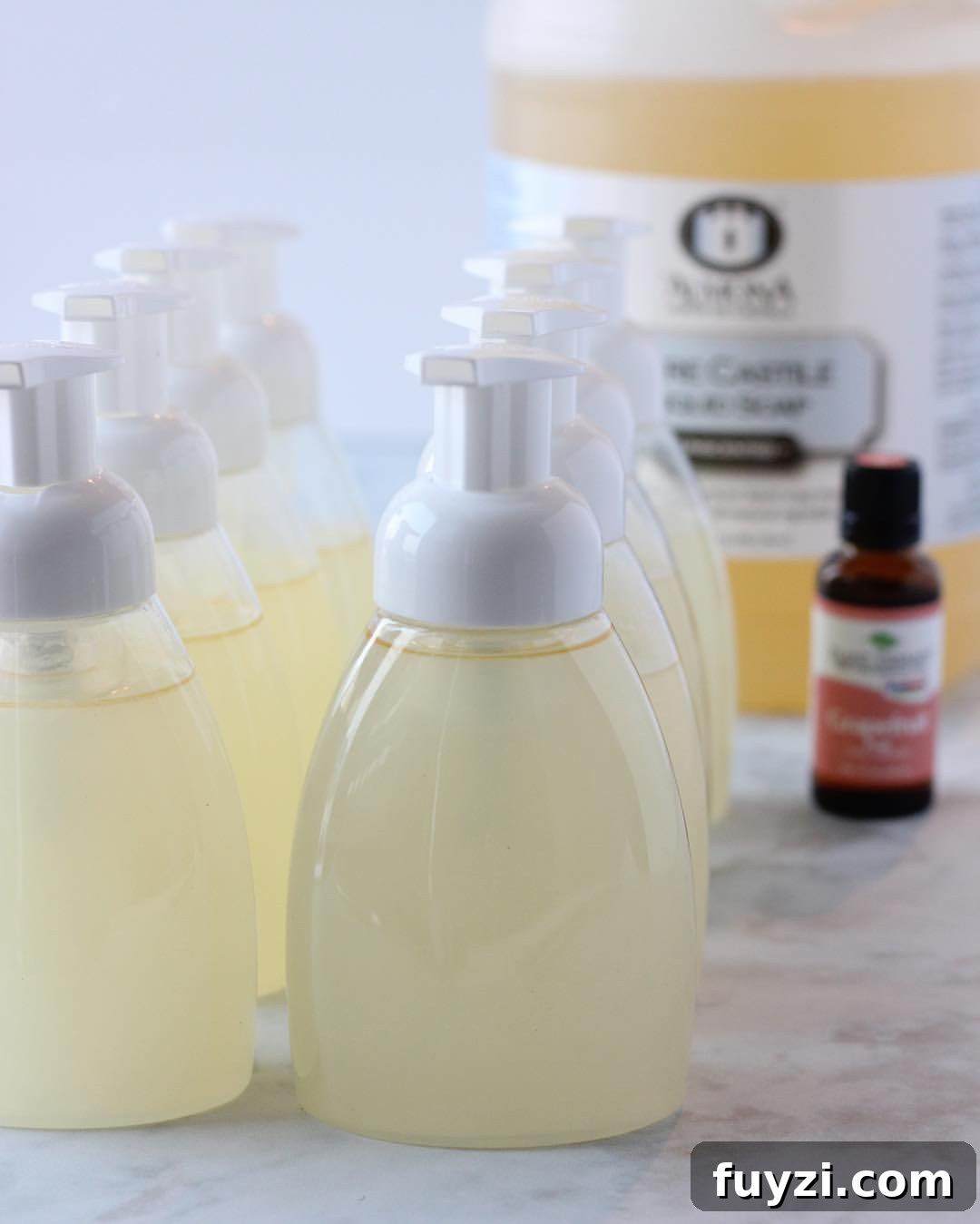
Upfront costs are higher because you may need to purchase refillable pump bottles, but one gallon of liquid Castile soap will fill many bottles—enough to make dozens of refills—and a bottle of essential oil will last even longer. In my case the math worked out to under $1.50 per bottle when you spread the initial purchases over multiple refills, so making your own non-toxic soap is cost-effective as well as healthier.
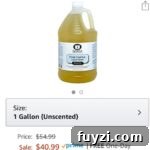
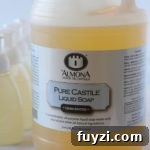
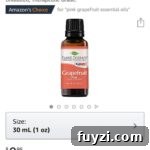

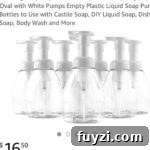
Making your own hand soap gives you control over ingredients, scent, and cost. It’s especially useful if you prefer to avoid synthetic detergents, sulfates, phthalates, or parabens. This simple DIY uses liquid Castile soap as the base, diluted with distilled water and scented with your choice of essential oil. Use BPA-free pump dispensers or glass bottles for refills, and label them so everyone in the household knows what’s inside.
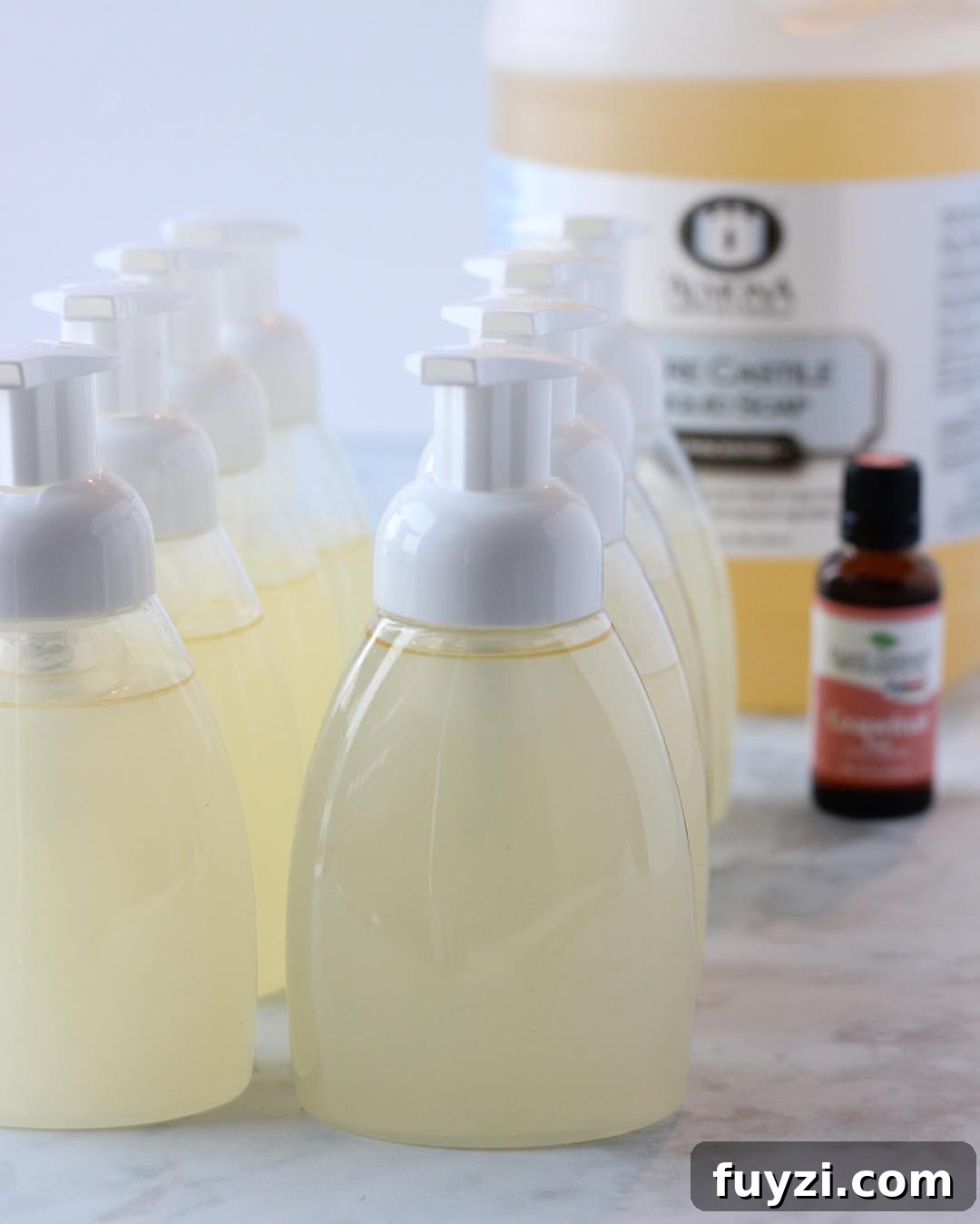
Homemade Hand Soap
Traditional hand soaps can contain undesirable chemicals. This easy homemade recipe uses a gentle Castile soap base, distilled water, and essential oils for fragrance. It’s quick to make, customizable, and economical when you refill bottles over time.
Course: Soap
Prep Time: 10 minutes
Yield: About 32 bottles (depending on bottle size)
Ingredients
- Liquid Castile soap (any brand)
- Essential oil of choice for scent (example: grapefruit, lavender, lemon, or tea tree)
- Liquid soap pump dispensers — BPA-free or glass
- Distilled water
Instructions
- Add about one third liquid Castile soap to each pump dispenser.
- Fill the rest of the bottle with distilled water, leaving a small gap at the top to avoid overflow when replacing the pump.
- Add 5–10 drops of essential oil per bottle, or adjust to your preferred scent strength.
- Close and gently invert the bottle a few times to mix. Avoid vigorous shaking to minimize suds.
- Refill bottles as needed and store extra Castile soap and essential oils in a cool, dark place.
Tips and Notes
- Use distilled water to prevent cloudy buildup and to reduce the chance of bacterial growth over time.
- Start with fewer essential oil drops and increase if you prefer a stronger scent. Some oils, like citrus, may be more potent and can become sensitizing in large amounts—use cautiously around children and sensitive skin.
- Choose BPA-free plastic dispensers or glass bottles to avoid endocrine-disrupting plastics. Label bottles with ingredients and date made.
- Castile soap is concentrated and biodegradable. Diluting it with water makes it last longer and reduces waste while still cleaning hands effectively.
- If you have hard water and notice residue, try rinsing hands a bit longer or test a slightly higher soap ratio in one bottle to find the best balance.
Making a batch of homemade hand soap is an easy way to reduce exposure to unwanted ingredients and save money in the long run. With a few simple supplies—Castile soap, distilled water, essential oil, and reusable dispensers—you can create a gentle, effective hand soap that fits your household’s needs and preferences.