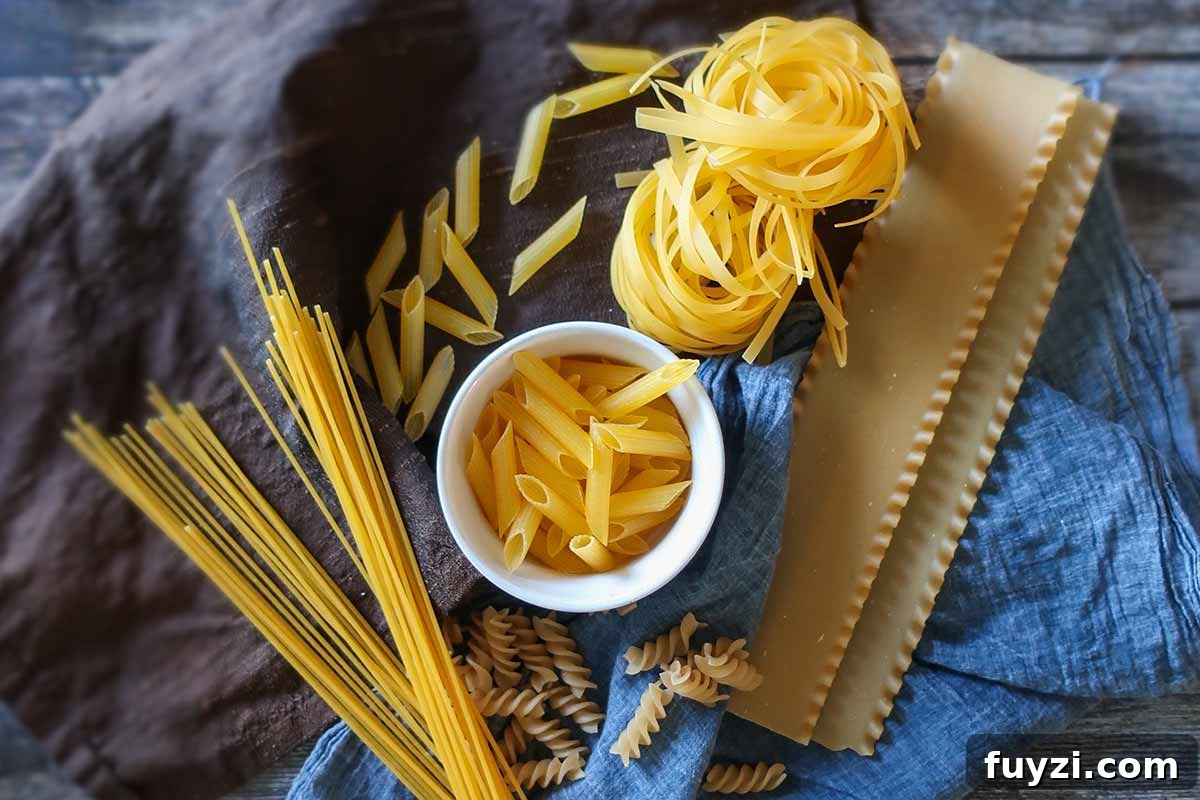
Cooking gluten-free pasta can feel different from cooking wheat pasta, but with a few simple techniques you can achieve consistently great results. This guide covers the best gluten-free pasta options, why some Italian brands stand out, where to buy them, essential cooking tips, tools that make the job easier, common mistakes to avoid, storage and freezing advice, and the nutritional factors to consider. Follow these practical tips to enjoy tender, flavorful gluten-free pasta every time.
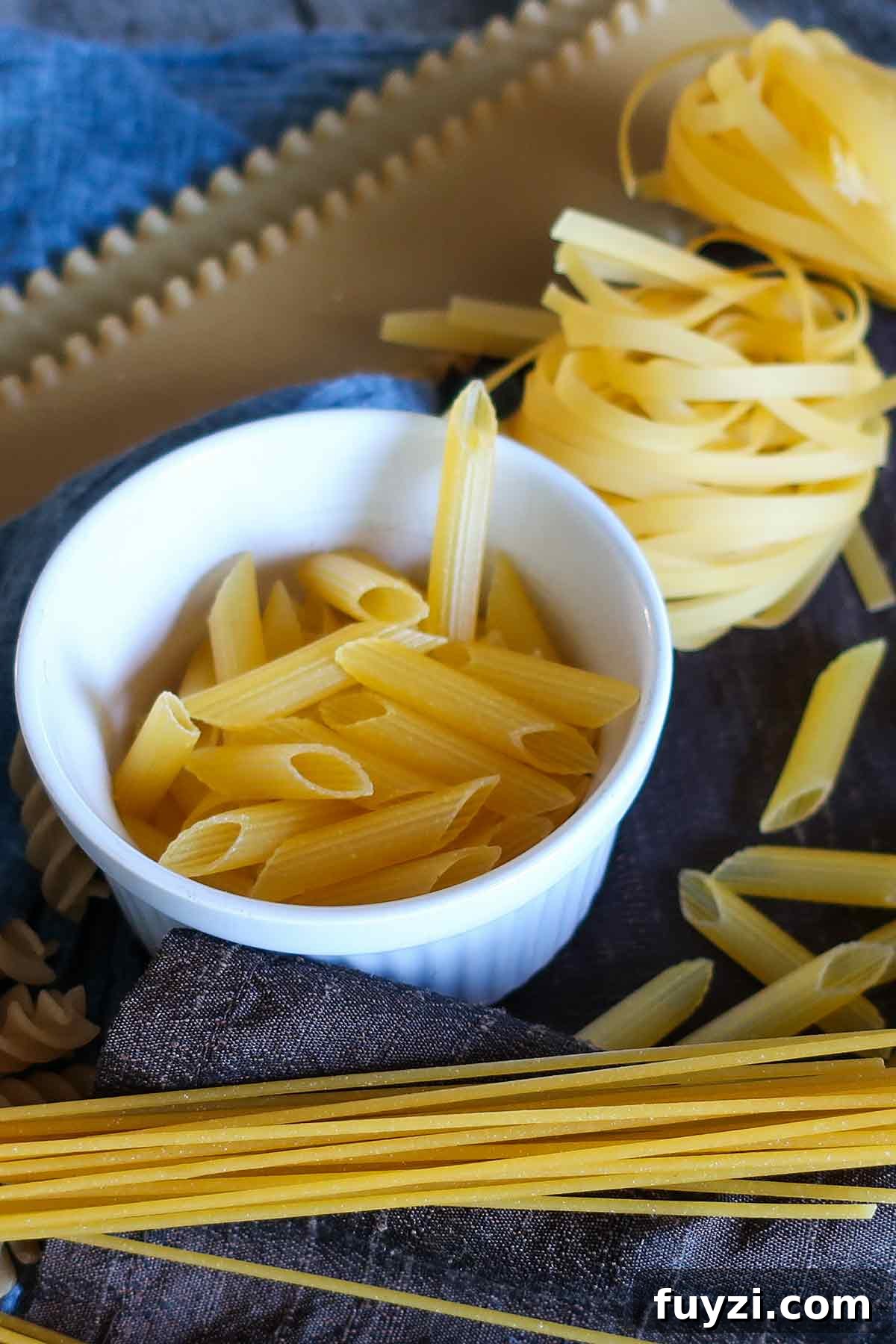
My Top Gluten-Free Pasta Picks
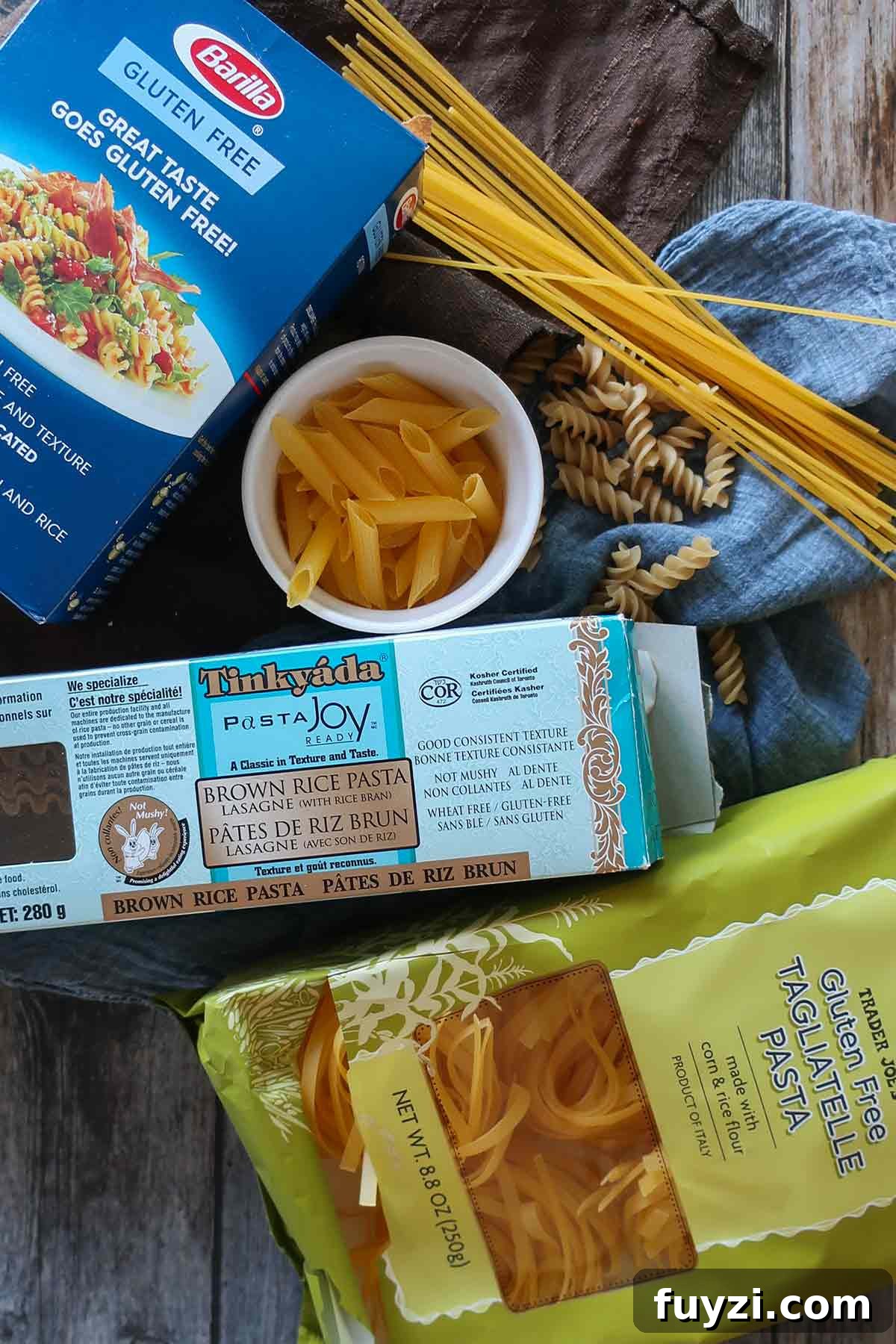
Not all gluten-free pastas behave the same in the pot. Some mimic traditional wheat pasta more closely, while others offer extra protein or fiber. These five brands consistently deliver good texture and flavor across shapes:
- Barilla Gluten-Free Pasta: Made from a corn and rice blend for a familiar, reliable texture.
- Banza Chickpea Pasta: Legume-based, higher in protein and fiber, great for heartier dishes.
- Jovial Gluten-Free Pasta: Organic brown rice pasta known for an authentic taste and firm bite.
- Tinkyada Brown Rice Pasta: Holds up well when cooked and offers a pleasant chew.
- Ancient Harvest Gluten-Free Pasta: A blend of quinoa and corn that gives a nutty flavor and extra protein.
What Makes Italian Gluten-Free Pasta Stand Out?
Italian gluten-free pasta often excels because of careful ingredient selection and traditional pasta-making techniques. Manufacturers that focus on texture and drying methods can produce shapes that feel closer to wheat pasta in the mouth. Quality control, specific flour blends, and attention to extrusion and drying are reasons some Italian brands are preferred by cooks who want a classic pasta experience without gluten.
Brands that invest in these processes typically offer firmer textures, less stickiness, and better flavor retention when combined with sauces.
Where to Shop for Gluten-Free Pasta: Online and In-Store
You can find good gluten-free pasta both online and at grocery stores. Popular online retailers and marketplaces carry a wide range of brands and shapes, while many larger grocery chains keep a solid gluten-free selection on their shelves.
Online:
- Amazon
- Thrive Market
- iHerb
In-Store:
- Whole Foods
- Sprouts
- Wegmans
- Trader Joe’s
Also check brand websites and local specialty shops for regional or artisanal gluten-free pasta options.
5 Tips for Cooking Gluten-Free Pasta Perfectly Every Time
Follow these practical tips to avoid common gluten-free pasta pitfalls and get a reliable, tasty result:
- Use plenty of water: Gluten-free pasta releases extra starch, so use a large pot and plenty of water—aim for about 4–6 quarts per pound of pasta to give it room to move.
- Salt the water well: Generous seasoning is important. Add 1–2 tablespoons of salt per 4–6 quarts of water to flavor the pasta and help reduce stickiness.
- Add salt before the pasta: Dissolve the salt fully in the boiling water before adding the pasta so seasoning is consistent from the first moment in the pot.
- Stir gently and often: Stir during the first few minutes and periodically afterward to prevent strands or shapes from clumping.
- Aim for al dente and test early: Gluten-free pasta can go from perfect to mushy faster than wheat pasta. Start tasting 3–5 minutes before the package suggests and remove when it is firm to the bite.
- Rinse when appropriate: For cold preparations or to stop cooking quickly, rinse with cold water to remove excess surface starch. For hot sauce-based dishes, you may skip rinsing to preserve sauce cling—but drain well.
Tools You May Need for Cooking Gluten-Free Pasta
These basic tools make cooking and serving gluten-free pasta easier and help protect delicate shapes:
Large pot (8 quarts): Gives the pasta enough room and dilutes released starch.
Pasta spoon or tongs: Gently stir and serve without breaking pieces.
Timer: Track cooking time precisely so you can test and stop at al dente.
Colander or strainer: Quick, even draining helps preserve texture.
Pasta measuring tool: Useful for portion control, especially for long pasta like spaghetti.
3 Most Common Mistakes to Avoid When Cooking Gluten-Free Pasta
Not using enough water often leads to sticky, clumped pasta. Overcooking is the most frequent issue; watch the time closely and test early. Finally, under-salting results in bland pasta—season the water so the pasta itself has flavor before it meets the sauce.
Storing
Store leftovers in an airtight container in the refrigerator for two to three days. When reheating, add a splash of water or olive oil and warm gently to restore moisture. Some gluten-free pastas change texture after refrigeration, so they are usually best eaten fresh.
Can Gluten-Free Pasta Be Frozen?
Freezing plain cooked gluten-free pasta can affect texture, often making it softer or crumbly when reheated. It works better in dishes that are baked or layered with sauce, such as lasagna, because the sauce helps protect the noodles. If you freeze pasta, undercook it slightly, seal it tightly in an airtight container or freezer bag, and use within a couple of months for best results.
Is Gluten-Free Pasta Nutritious?
Nutritional profiles vary widely among gluten-free pastas depending on their base ingredients. Choose varieties that match your dietary goals and check labels for added nutrients or allergens.
Higher protein and fiber options
Pasta made from chickpeas, lentils, quinoa, or other legumes offers more protein and fiber than refined rice or corn-based pastas. Those options can be more filling and add nutritional value to a meal.
Refined alternatives may lack enrichment
Pasta made from white rice or corn may be lower in certain micronutrients unless the manufacturer fortifies it. If you rely on gluten-free pasta frequently, balance meals with vegetables, proteins, and fortified grains.
Watch for other allergens
Some gluten-free products include eggs, soy, or dairy. If you have additional food sensitivities, always read the ingredient list to avoid surprises.
Recipe ideas using gluten-free pasta
Gluten-Free Chicken Cordon Bleu Pasta
Louisiana-Style Crispy Parmesan Chicken Pasta (Gluten Free)
Gluten-Free One-Pot Chicken Paprikash Penne
30-Minute Tuscan Zucchini Pasta (Gluten Free)
Lemon Pasta with Asparagus (Gluten Free)
Final Thoughts
With the right brand choice and cooking method, gluten-free pasta can be satisfying and delicious. Prioritize adequate water, proper salting, frequent stirring, and testing for al dente texture. Choose ingredient-forward brands when you want nutrition, and enjoy fresh whenever possible for the best mouthfeel. Happy cooking!