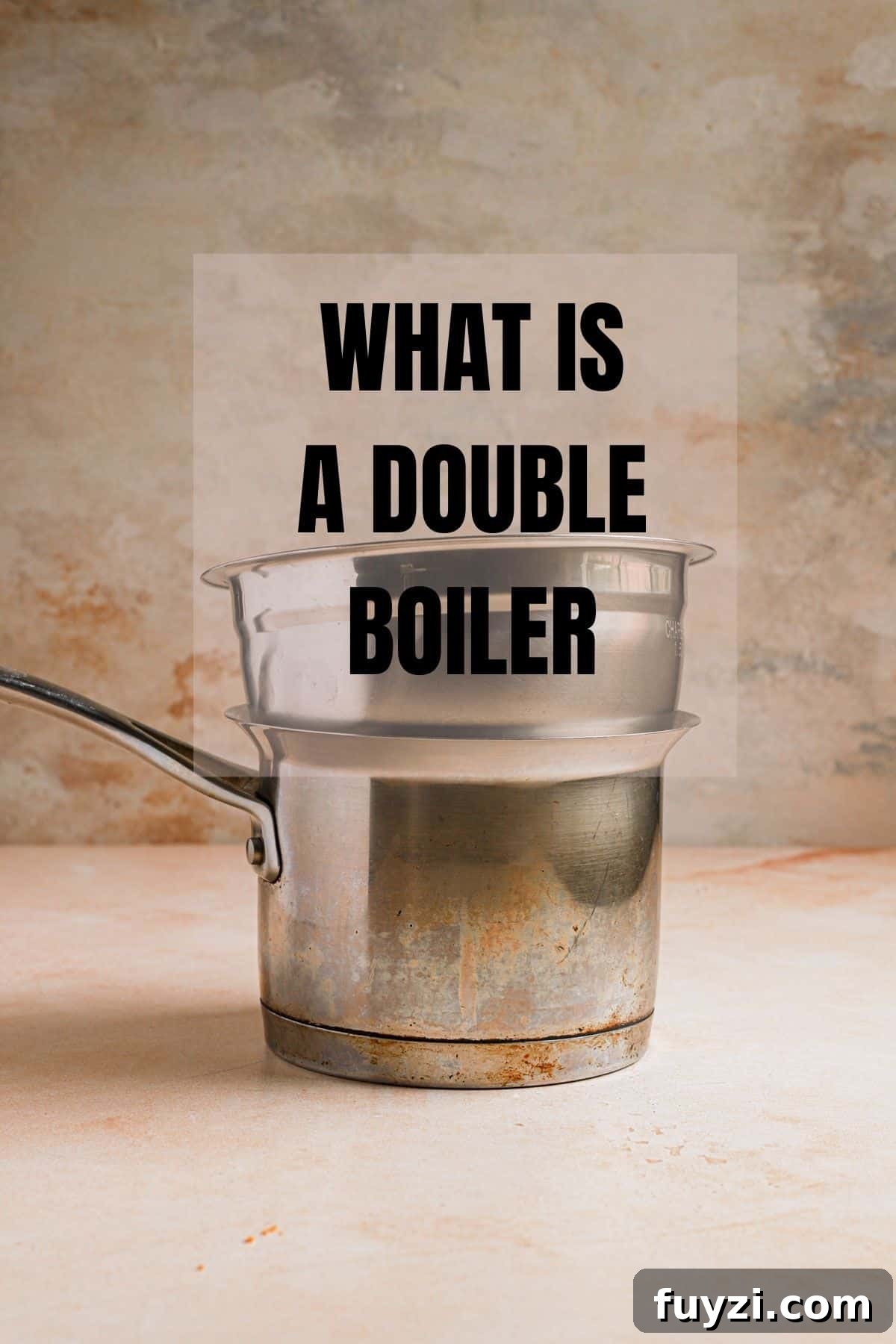
In the kitchen, a few simple techniques and tools can transform your results. The double boiler, or bain marie, is one of those essentials: a low-tech method for applying gentle, consistent heat that protects delicate ingredients and improves texture and stability.
This post may contain affiliate links.
What is a Double Boiler
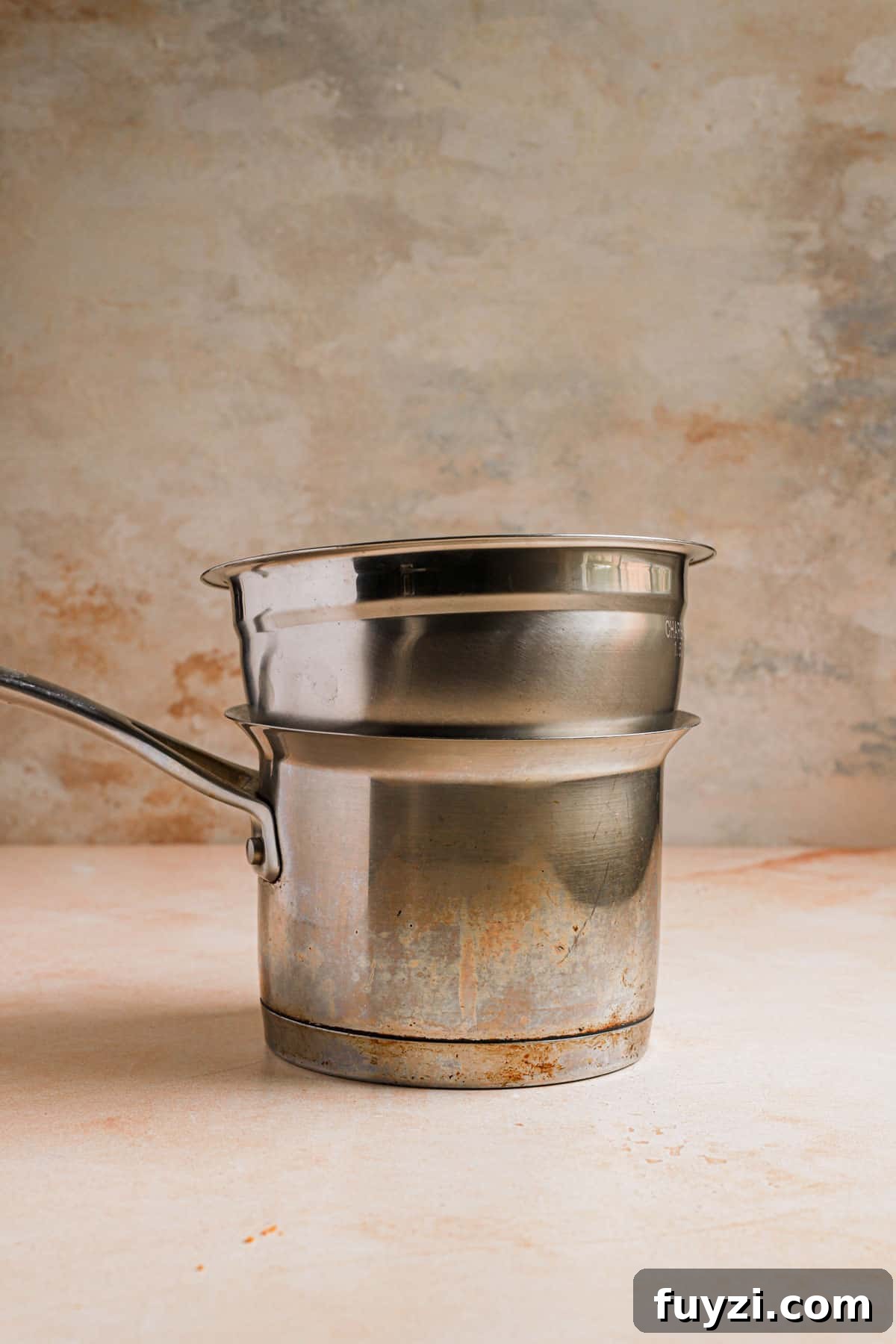
A double boiler is a simple two-piece setup: a pot of hot water below and a second pot or heatproof bowl that sits above it. The lower pot holds simmering water while the upper vessel receives indirect heat from the steam and warm air. This gentle method prevents scorching and helps maintain a steady, moderate temperature—ideal for melting chocolate, preparing custards, or cooking delicate emulsions and sauces.
How Does It Work
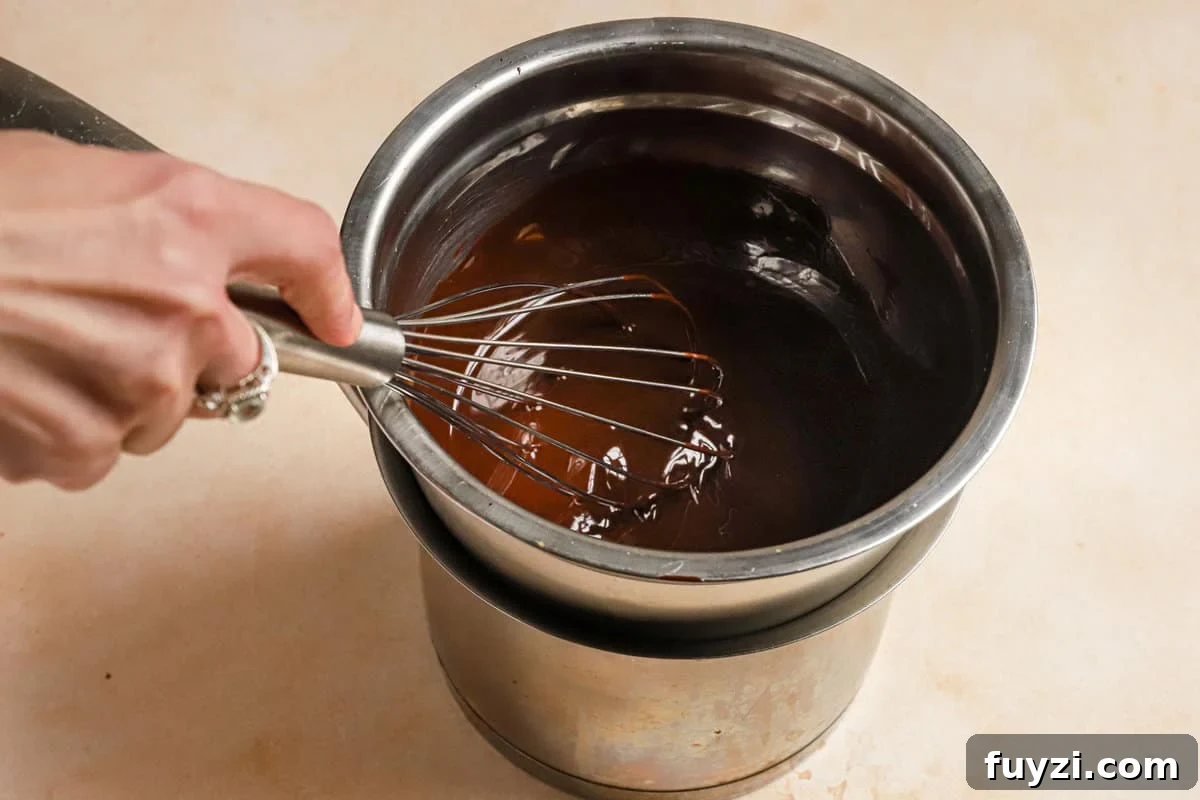
The bain marie relies on indirect heat. When the water in the bottom pot simmers, steam and warm air transfer heat slowly to the upper container. Because the ingredients never touch the direct flame or hot metal, temperature rises gradually, reducing the risk of overheating. This controlled environment is especially helpful for ingredients that seize or curdle if exposed to rapid or uneven heat.
Compared with a water bath where food sits in hot water, a double boiler uses steam and air as the heat source. That slightly lower rate of heat transfer is perfect for tasks like tempering chocolate or gently bringing eggs to temperature without scrambling them.
When Should I Use One
Use a double boiler whenever precise, gentle heating is required. Common uses include:
- Melting and tempering chocolate: Chocolate heats unevenly and can seize or burn. The bain marie keeps it smooth and glossy.
- Making custards and delicate sauces: Crème anglaise, hollandaise, and similar emulsions benefit from slow, controlled heating to avoid curdling.
- Tempering eggs: When adding eggs to warm mixtures, the gentle temperature rise prevents scrambling and helps achieve a stable texture for desserts like tiramisu or custard-based fillings.
- Whipping eggs for volume: Light sponge cakes and other recipes call for eggs warmed to a specific temperature. Whipping eggs over a bain marie helps them reach the ideal warmth to hold more air.
How to Make a Homemade Double Boiler
Time needed: 10 minutes
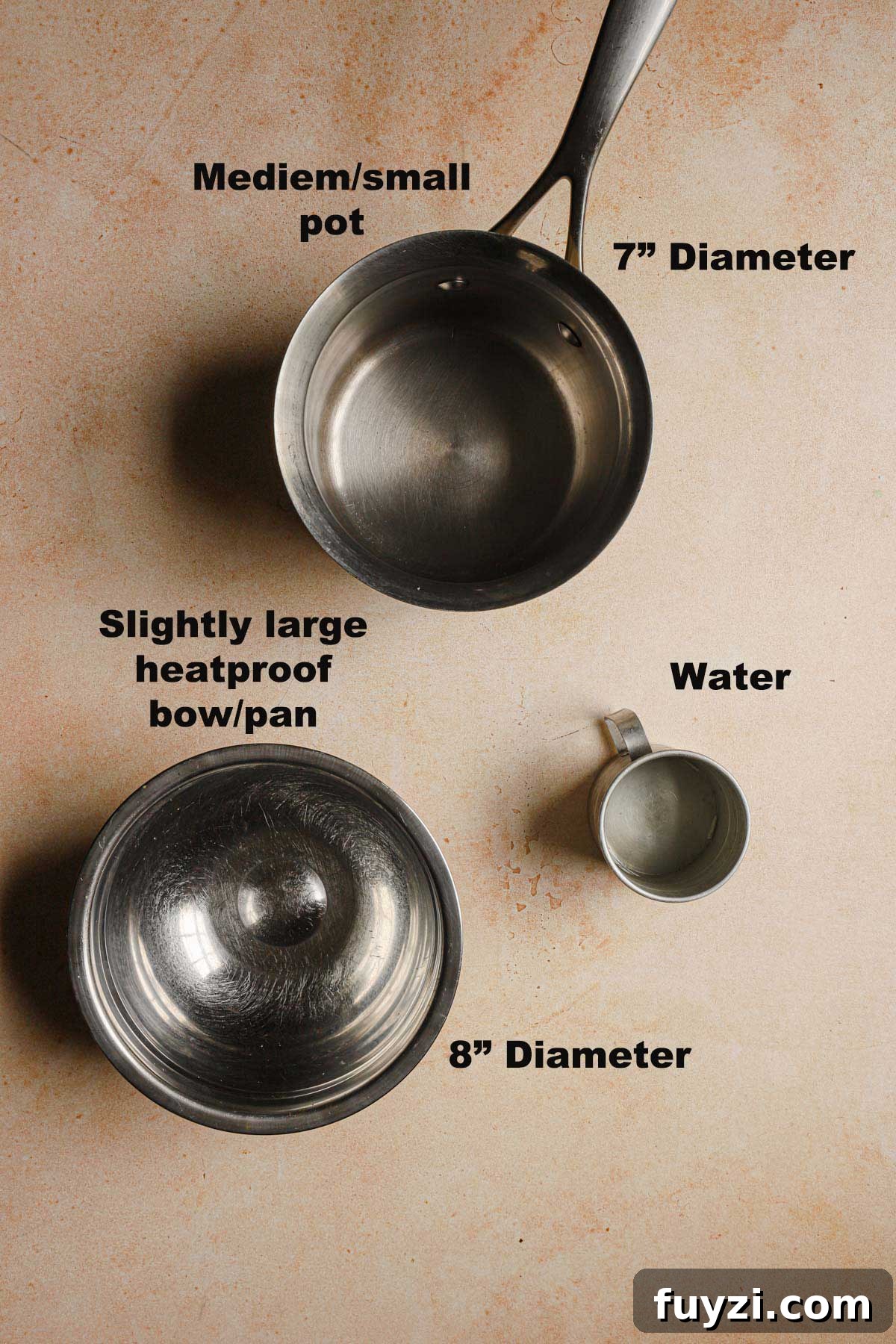
You don’t need specialized equipment. With two pots or a pot and a heatproof bowl you can create an effective bain marie at home.
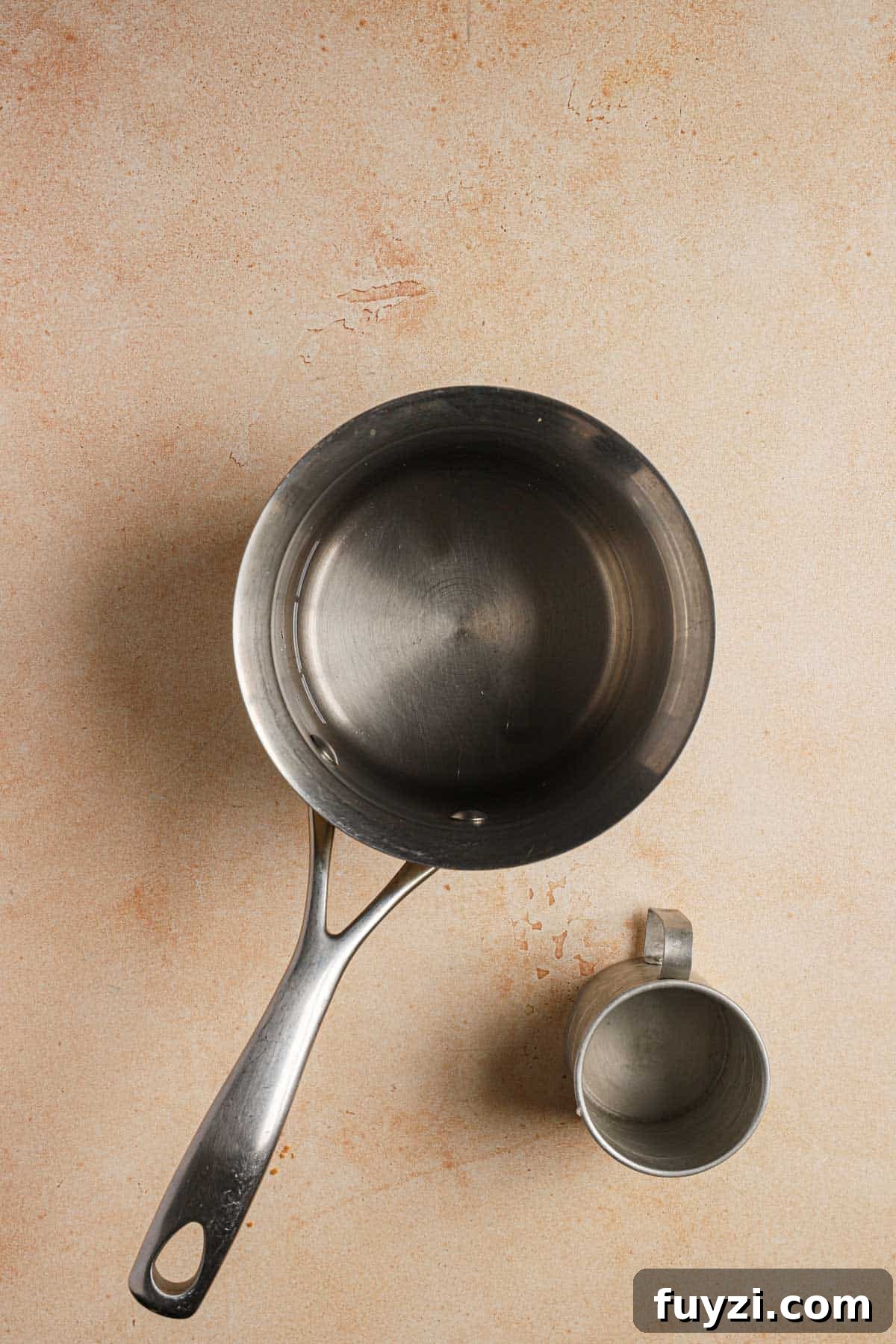
- Choose two pots
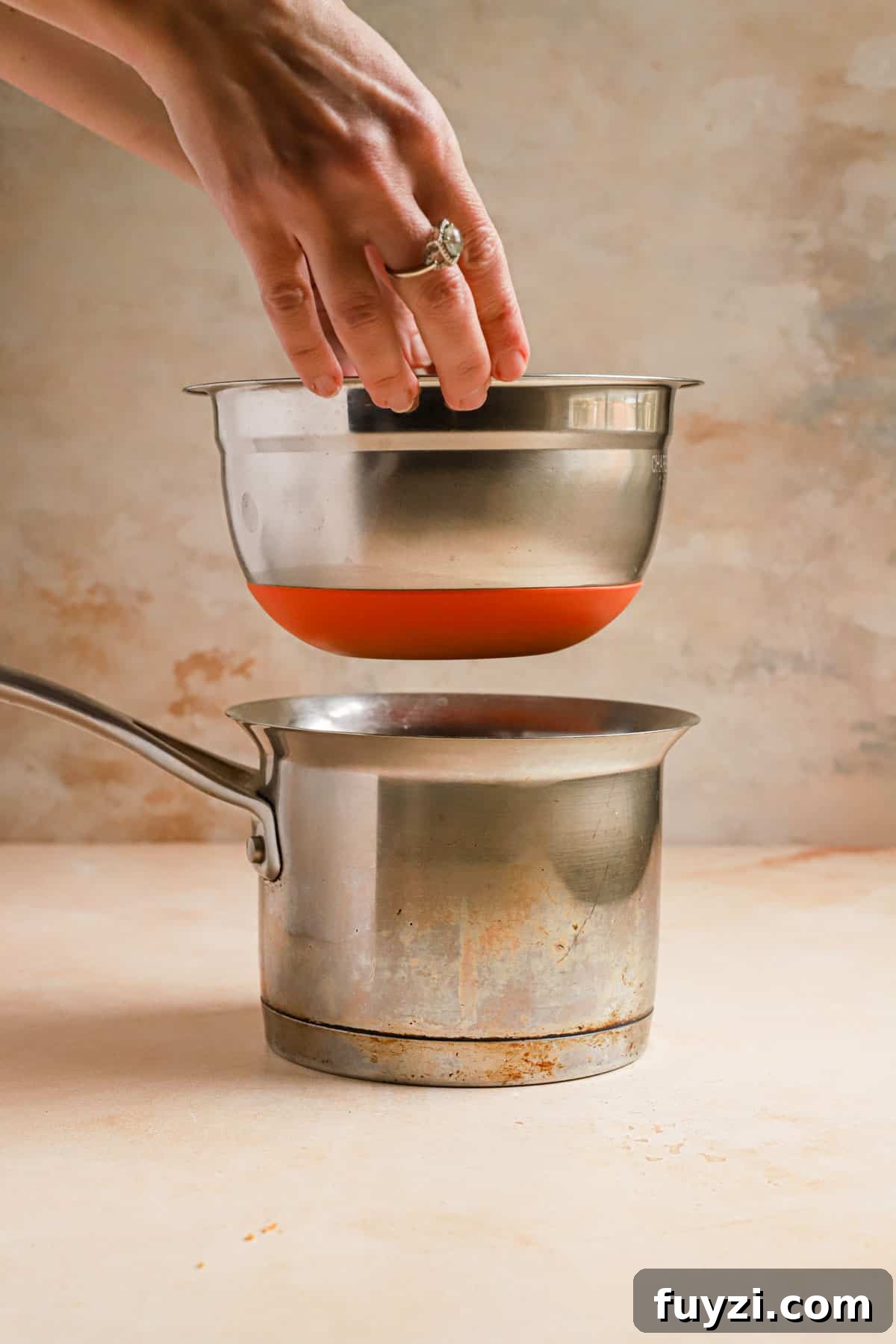
Pick a medium pot for the bottom and a slightly larger pot or a heatproof bowl for the top. The top vessel should sit snugly without its bottom touching the water. A stainless steel bowl works well if it seals reasonably against the lower pot.

- Add water
Pour 1–2 inches of water into the bottom pot so it won’t touch the underside of the top vessel. Bring the water to a gentle simmer rather than a rolling boil.
- Place the top pot
Nestle the top pot or bowl over the simmering water so it sits securely and receives even heat from the steam.
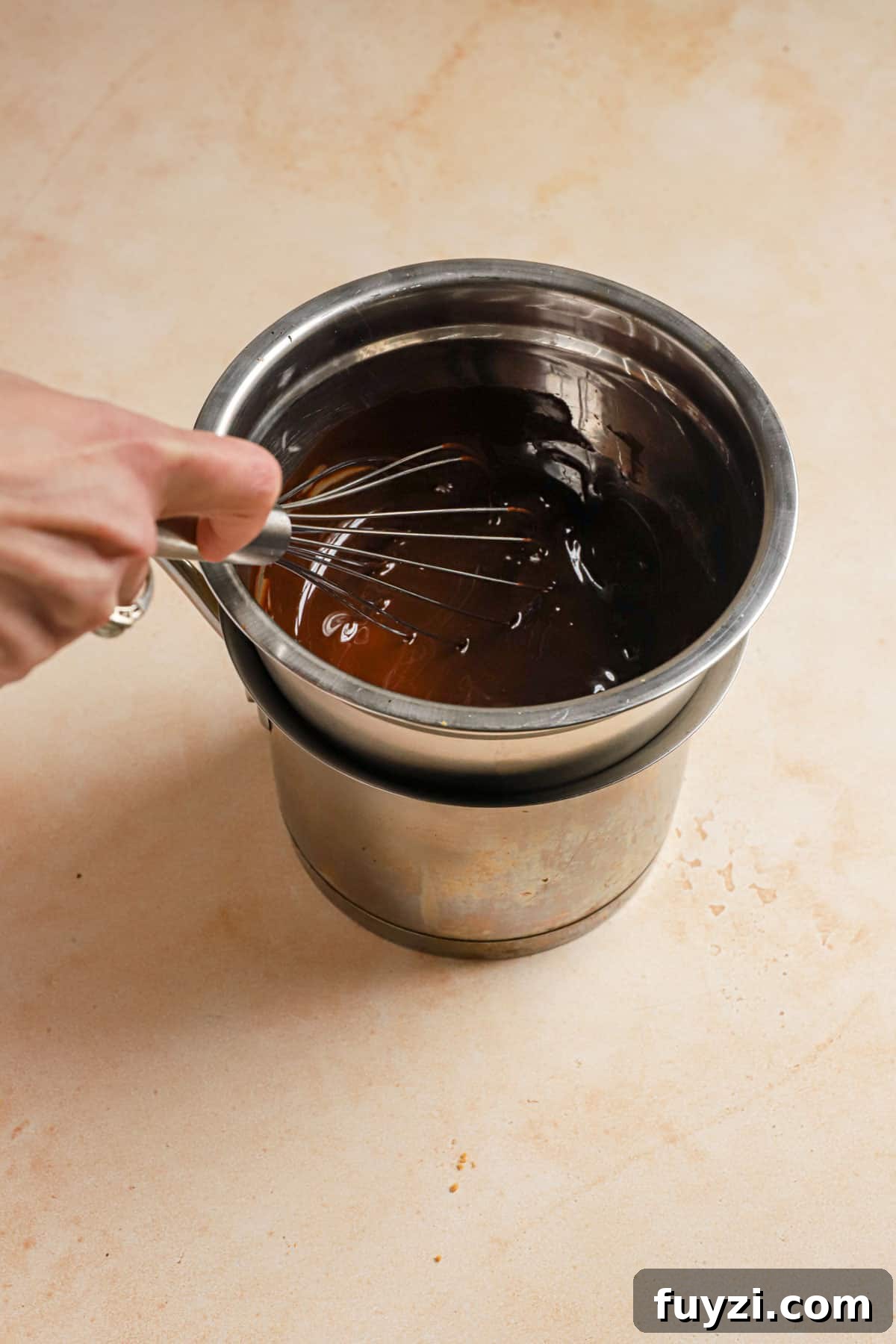
- Heat and use
Lower the heat to maintain a gentle simmer and proceed with your recipe. Stir frequently for even heating and remove from heat when the desired consistency is reached.
Tips for Using a Bain Marie
Follow these practical tips to get consistent, professional results:
- Check clearance first: Test that the top vessel doesn’t touch the water before heating—lift it up and inspect the bottom. Proper spacing keeps heat indirect.
- Seal for stability: Ensure the top vessel fits securely over the bottom pot to limit steam loss. Wrapping the rim with a small strip of foil can stabilize a loose fit.
- Stir often: Regular stirring prevents hot spots and keeps textures smooth.
- Use protection: Always use oven mitts or a towel when handling hot bowls or pots.
- Avoid sudden temperature shifts: Heat or cool ingredients gradually to protect texture and avoid separation.
- Don’t cover: Avoid putting a lid on the top vessel when melting chocolate—trapped steam can introduce moisture and cause seizing.
- Not the same as steaming: A double boiler heats indirectly and does not expose food directly to steam like a steamer does.
Conclusion
The double boiler is a simple, reliable way to control heat for sensitive culinary tasks. Whether you’re melting chocolate, tempering eggs, or gently cooking custard, mastering the bain marie will improve texture and outcome. With basic kitchenware and a few precautions, you can recreate professional results at home and expand your range of delicate recipes.