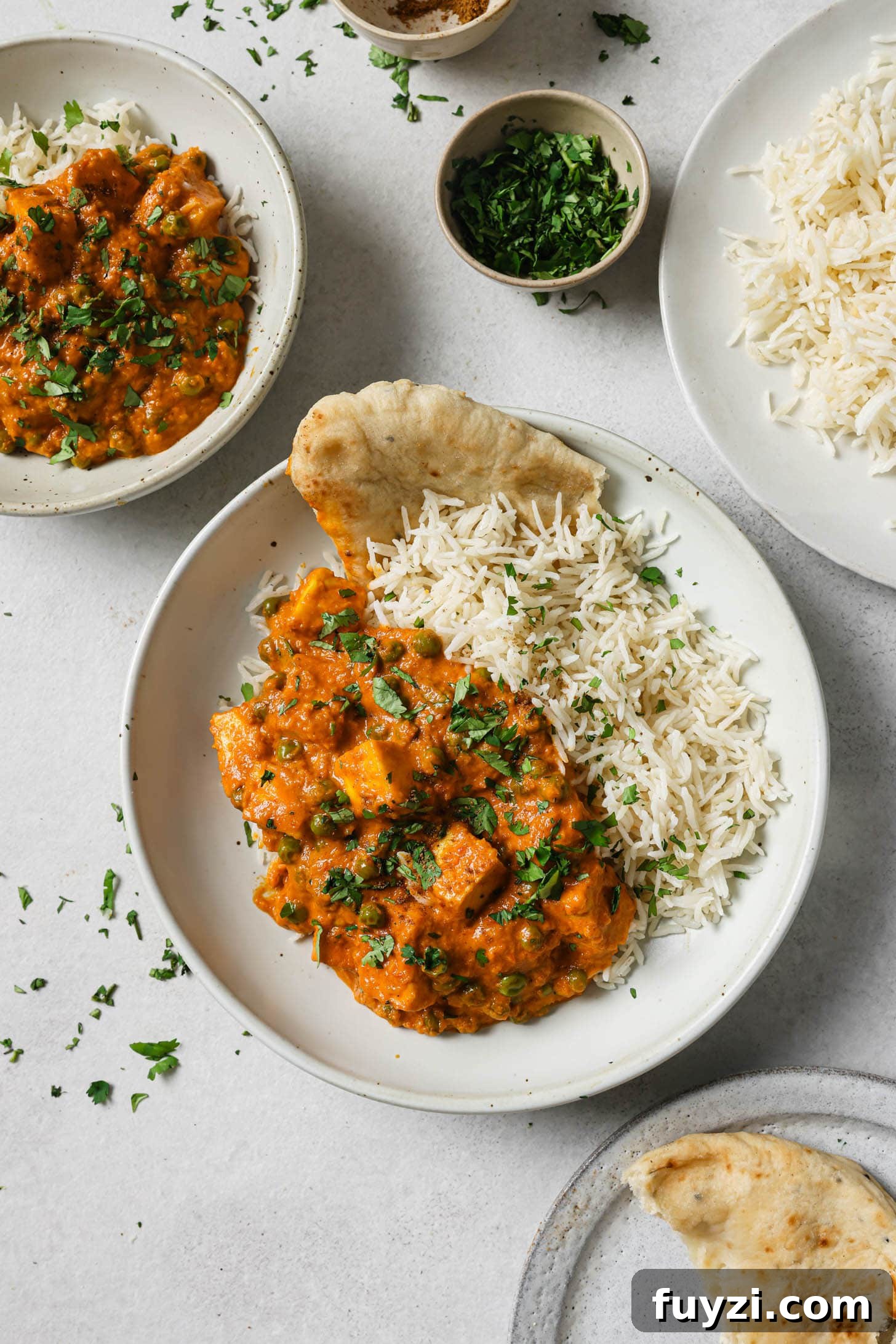
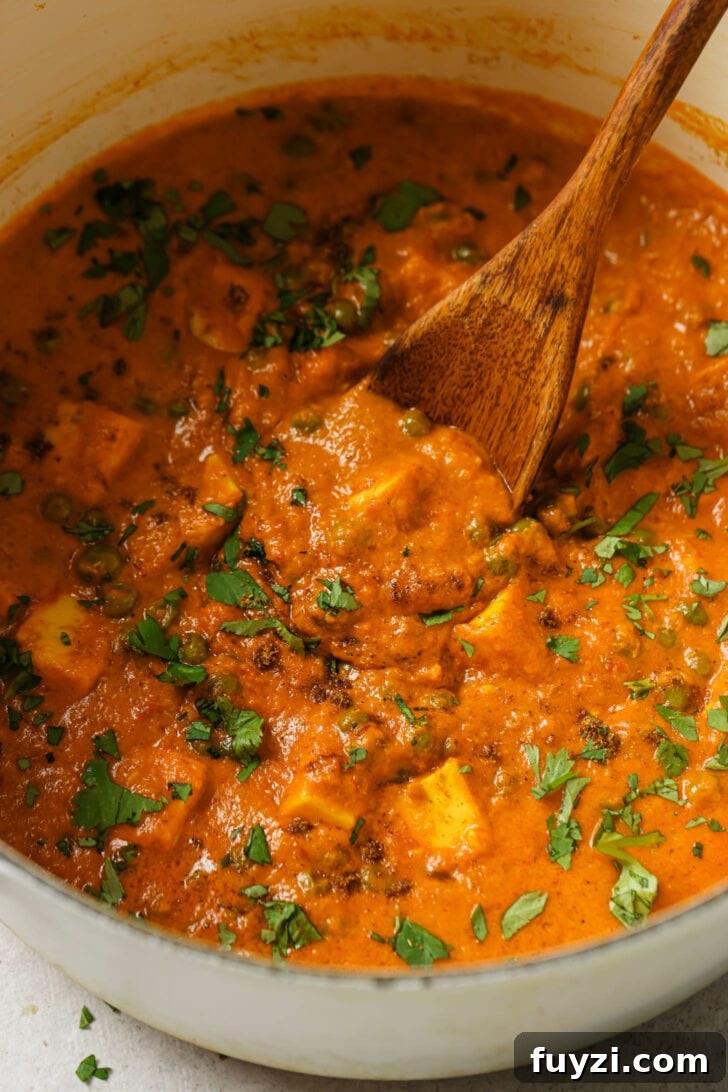
Matar Paneer is a North Indian curry featuring peas (matar) and paneer in a rich tomato-based sauce. This approachable recipe yields a restaurant-style flavor and silky texture, with tips to keep paneer tender whether you pan-fry it or add it directly to the curry. Tested and refined for home cooks.
Navigation
- Matar Paneer
- Recipe Testing
- Matar Paneer Vs Butter Paneer
- Matar Paneer Ingredients
- Paneer
- Notes On Other Key Ingredients
- How To Make Matar Paneer
- Prepare Onion-Tomato Base
- Purée The Masala
- Optional: Pan-Fry Paneer
- How To Keep Pan-Fried Paneer Soft
- Cook The Peas And Paneer
- Variations
- What To Serve With Matar Paneer
- Matar Paneer Recipe
Matar Paneer
I first tried making Matar Paneer after discovering a version in a cookbook, and from that point I began experimenting until I developed a version I loved. Although it’s a classic North Indian dish — especially popular in Punjabi cuisine — my approach blends traditional technique with a few restaurant-style touches to deliver a creamy, balanced curry.
Paneer’s mild, milky flavor makes it an appealing centerpiece: it soaks up the sauce yet holds its shape. Over several tests this recipe evolved to strike a good balance between bright tomato, warming spices, and a smooth finish from a touch of cream.
This recipe has been tested and refined for consistent, home-kitchen results, with optional steps for a more restaurant-like presentation.
Recipe Testing
To refine this recipe I compared many published versions and tested different techniques. Key takeaways:
- Most traditional recipes do not use cream. I include a small amount here to create the silky, restaurant-style finish I prefer.
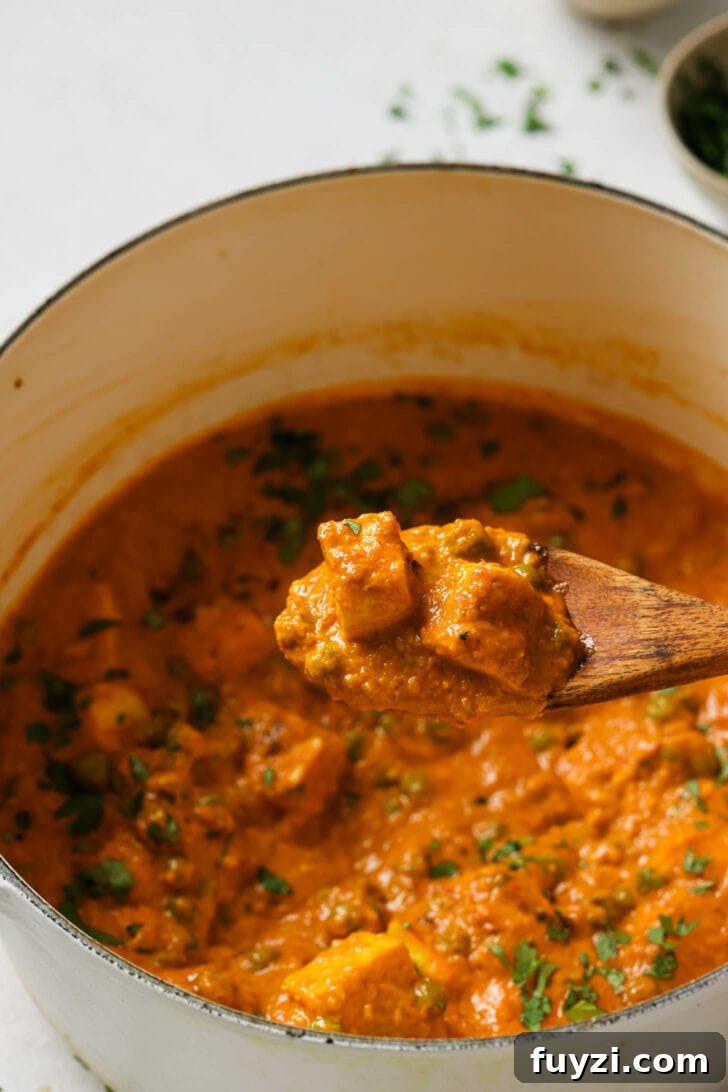
- Blending the onion-tomato masala yields a smoother sauce; however, leaving it unblended gives more texture. The recipe works well either way.
- Both methods for adding paneer work: adding raw paneer lets it absorb the curry and become tender, while pan-frying adds a golden, slightly crisp exterior and deeper flavor.
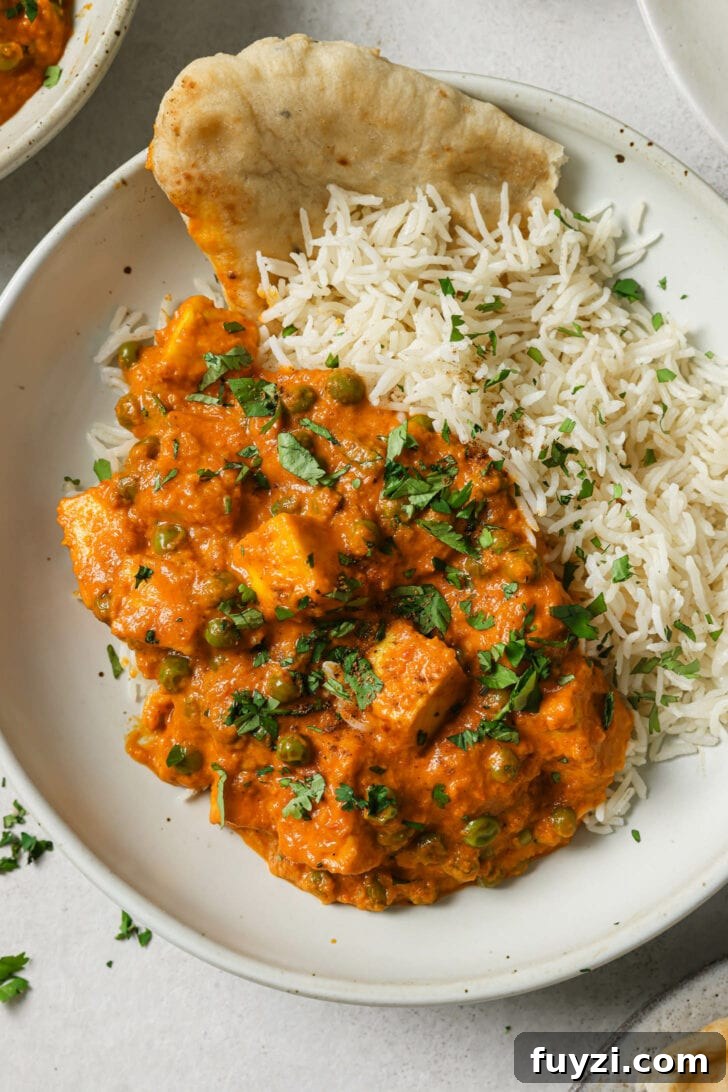
While Matar Paneer remains a restaurant favorite, menus often rotate to other paneer preparations. This version aims to be both home-friendly and evocative of the dishes you might enjoy at a good Indian restaurant.
Matar Paneer vs Butter Paneer
A useful distinction: Matar Paneer is built on an onion-tomato masala, while Butter Paneer (Paneer Butter Masala) uses a richer makhni-style sauce similar to butter chicken. This recipe keeps the onion-tomato base, with enough cream to lend a gentle richness without becoming a makhni sauce.
Matar Paneer Ingredients
Paneer
Paneer is a fresh Indian cheese made by curdling and straining cow’s milk. It has a mild, milky flavor and a firm texture that holds up well in curries.
- Where to find: Paneer is available at many supermarkets and at Indian grocery stores.
- Storage: Keep unopened blocks in the refrigerator for short-term use; freeze for longer storage and thaw in the fridge overnight.
- Substitutes: Firm tofu, queso fresco, or halloumi can be used as alternatives, keeping in mind differences in flavor and saltiness.
Notes on Other Key Ingredients
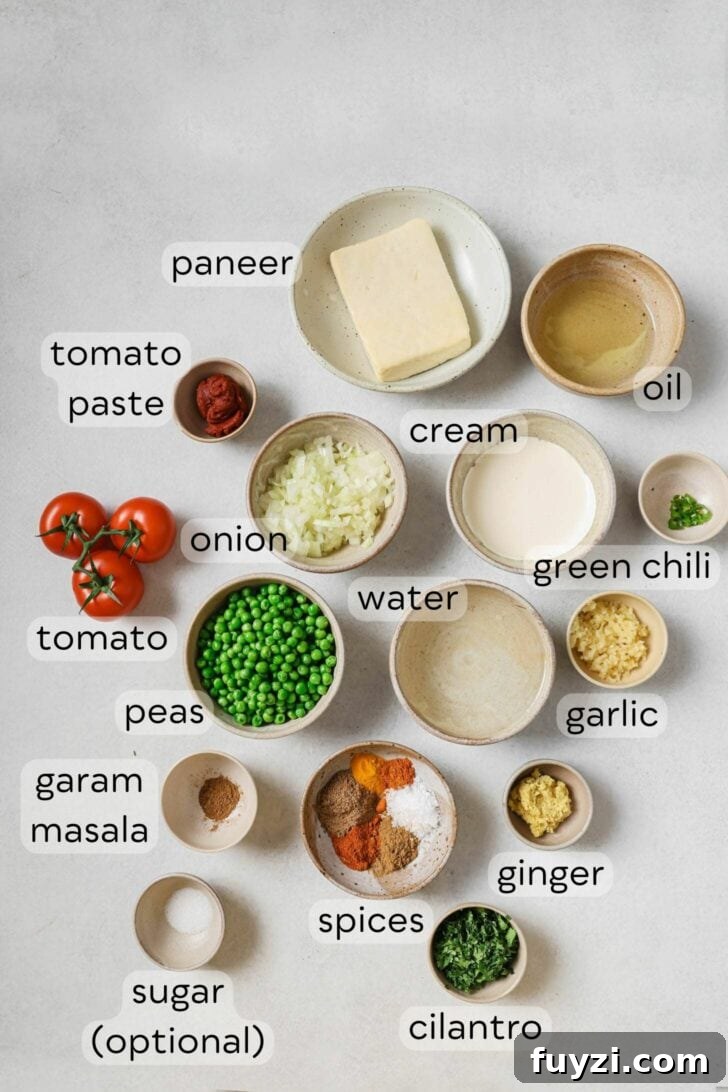
- Onion: A larger onion produces a thicker sauce; reduce the onion for a thinner sauce.
- Tomato paste: Adds concentrated tomato flavor and deeper color.
- Vine or Roma tomatoes: Use ripe tomatoes for the best flavor when puréed.
- Green chili: Serrano or Thai chiles add heat; remove seeds to reduce the spice level.
- Spices: Cardamom for brightness, coriander and cumin for body, Kashmiri chili or paprika for color, and turmeric and red chili for warmth. Finish with garam masala for aroma.
- Sugar (optional): A pinch can balance the tomato’s acidity.
- Frozen green peas: Thaw before using for quicker, even cooking.
- Heavy cream: Adds richness; you can reduce or replace with half-and-half or a plant-based cream for a lighter or vegan version.
- Dried fenugreek (kasuri methi): Optional; crush between your palms before adding for a subtle, savory note.
How to Make Matar Paneer
Prepare the Onion–Tomato Base
A food processor is helpful for chopping and puréeing. Start by sautéing the onions until golden, deglaze with a splash of water as needed, and continue until they reach a deeper brown. Add garlic and ginger and cook until fragrant.
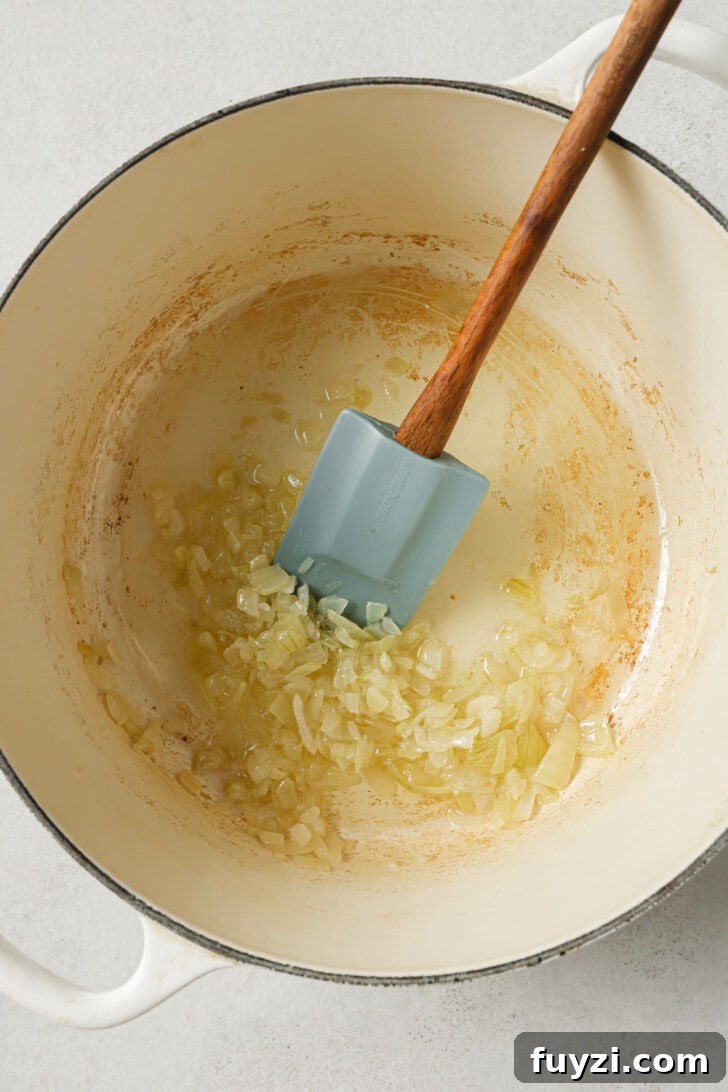
- Sauté the onions until golden and then a deeper brown, deglazing with a little water if they stick.
- Add tomato paste, puréed tomatoes, chopped green chili, cardamom, ground spices, and salt. Cook until the tomato mixture reduces and oil separates from the sides, creating a jammy texture.
Purée the Masala
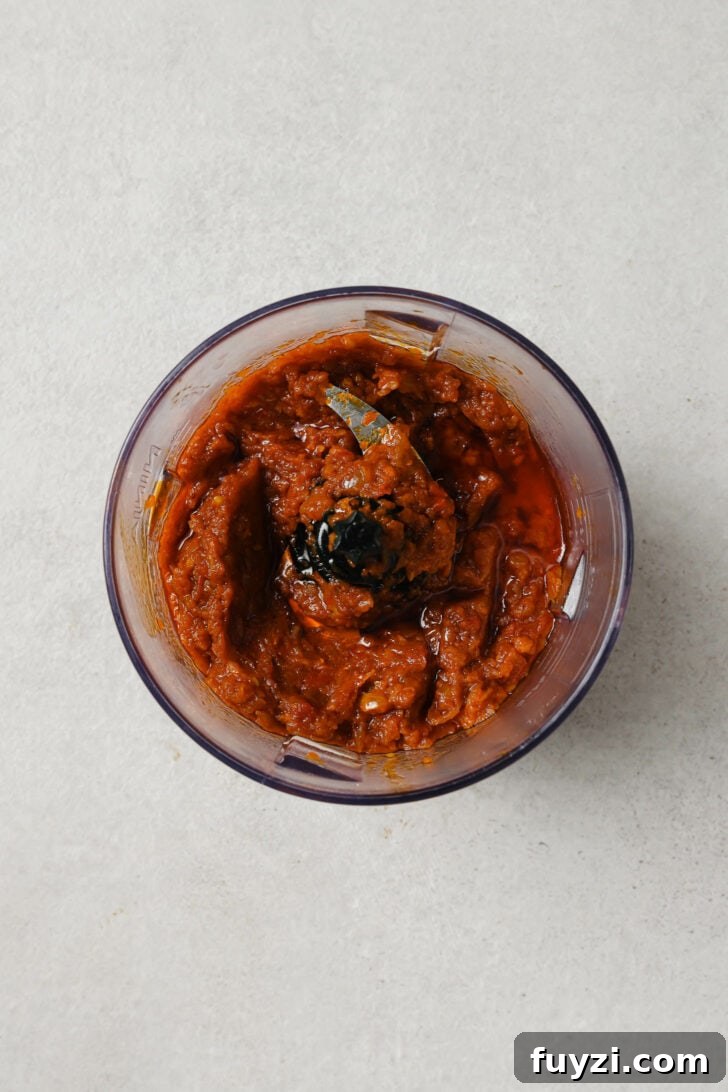
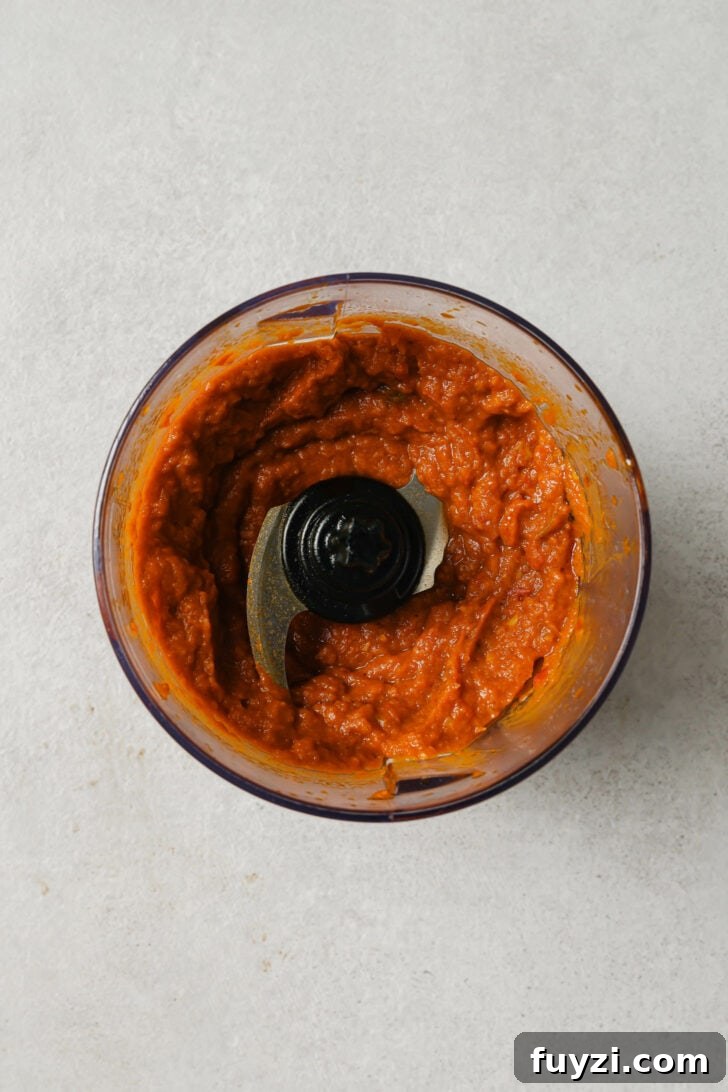
- Allow the masala to cool slightly, then transfer it to a food processor and blend to a smooth paste. Return the blended sauce to the pan and add the measured water. This step is optional but produces a smoother, restaurant-style sauce; skip blending if you prefer more texture.
Optional: Pan-Fry the Paneer
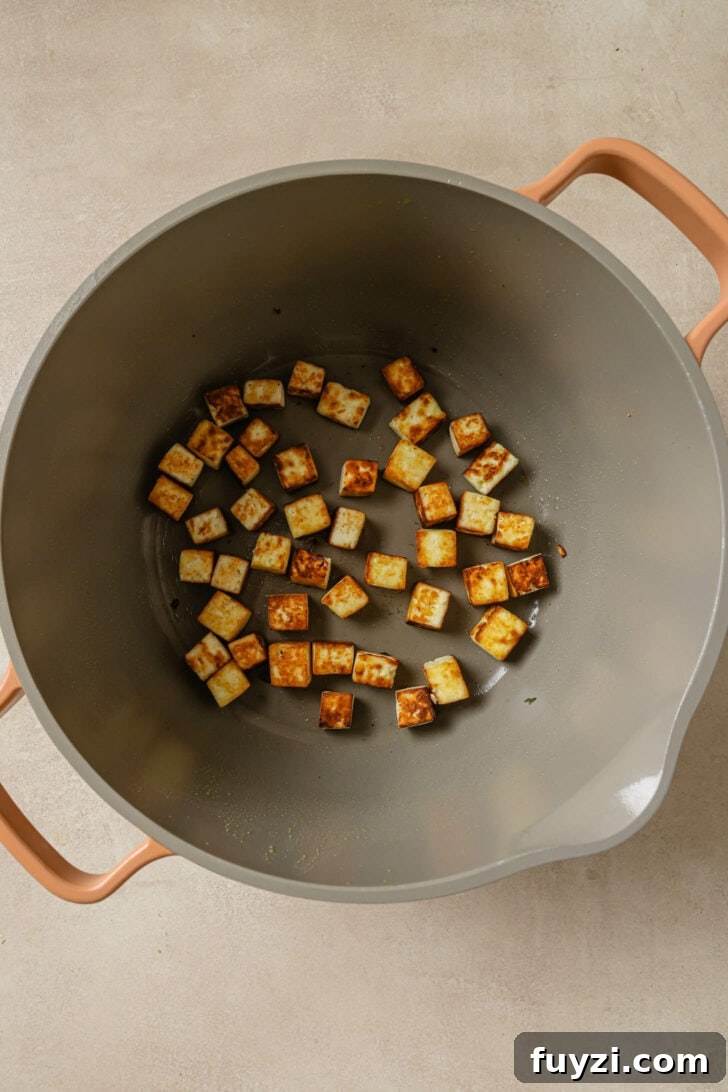
Pan-frying adds color and a slightly crisp edge that many restaurants use. Use a nonstick pan and a little ghee or butter. Turn the cubes frequently and reduce heat if they start to pop.
How to Keep Pan-Fried Paneer Soft
Paneer can firm up as it cools. To keep it tender:
- Time pan-frying so the paneer is added to the curry soon after browning.
- If you must fry early, briefly soak the cubes in water to help maintain softness, then pat dry before adding to the curry (this will dilute some buttery flavor).
- If paneer becomes slightly chewy, simmering it gently in the masala will relax the proteins and soften the texture. Leftovers often become more tender after sitting overnight.
Results may vary by paneer brand; adjust timing based on the product you use.
Cook the Peas and Paneer
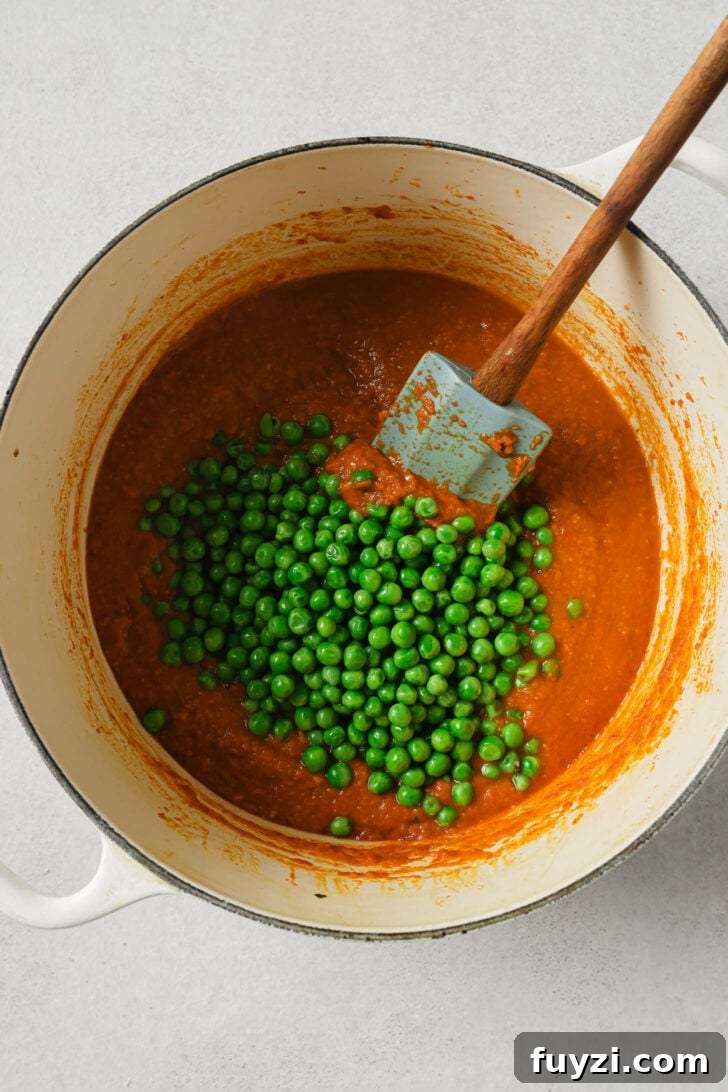
- Reheat the sauce over medium heat. When it begins to bubble and form craters, stir frequently to prevent splatter. Stir in a pinch of sugar if desired. Add the thawed peas, cover, and simmer for 5–7 minutes until the peas are tender.
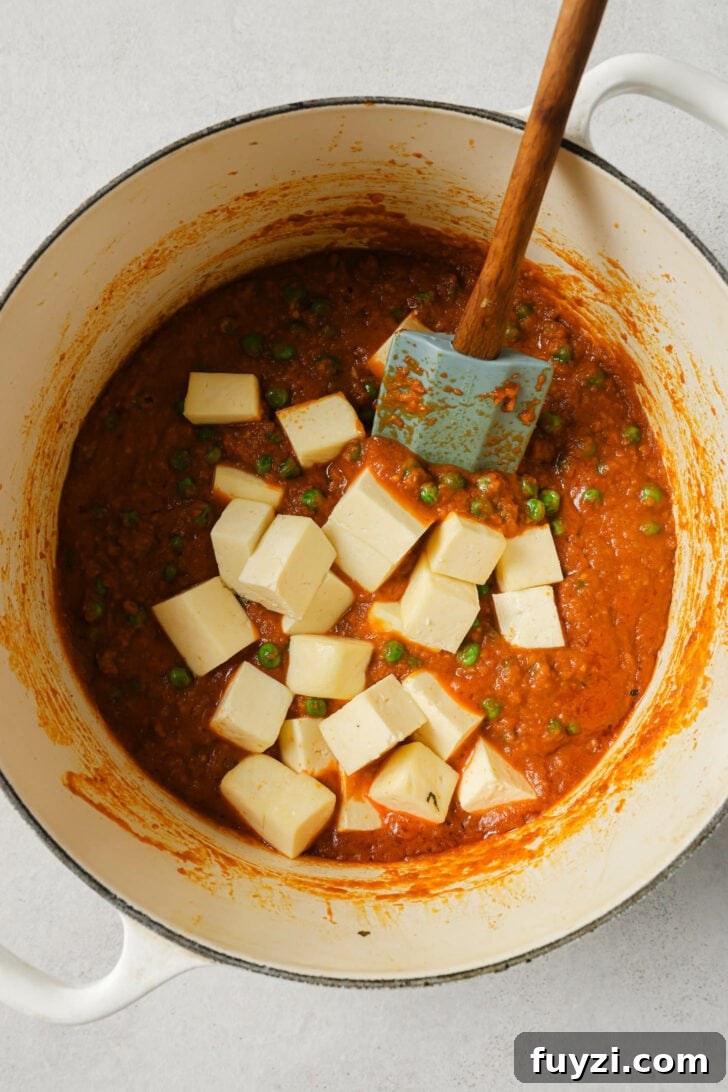
Many cooks simply fold in fresh paneer at the end, but giving the paneer 8–12 minutes to gently simmer helps it soften and absorb flavor. Avoid cooking so long that the paneer’s surface begins to break down.
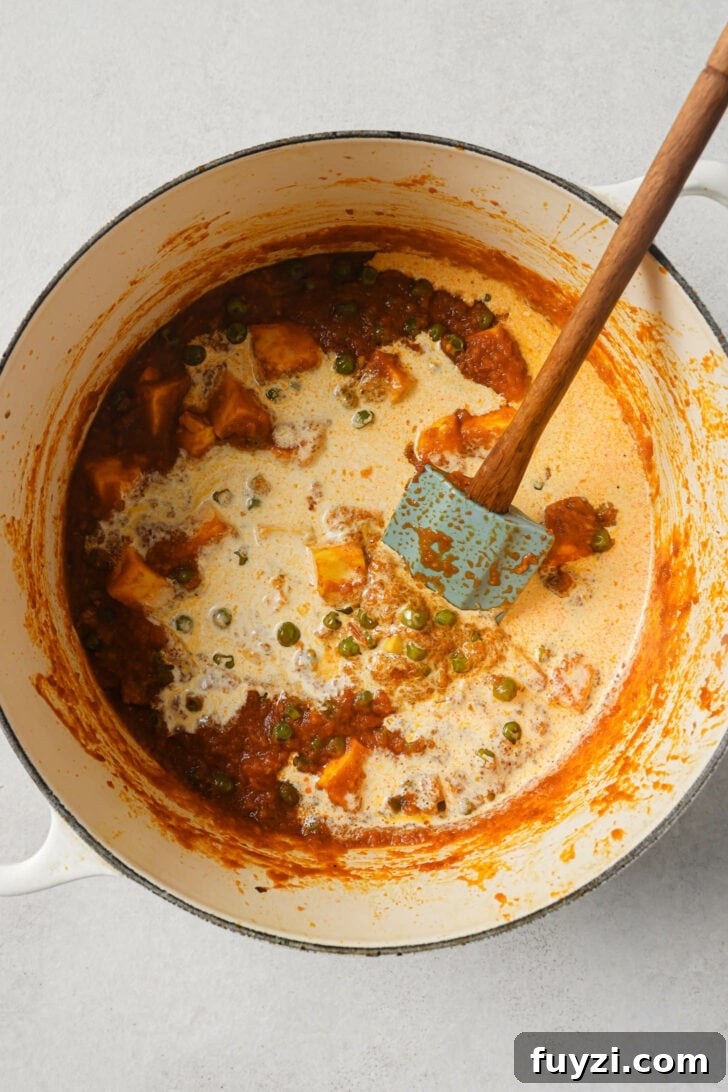
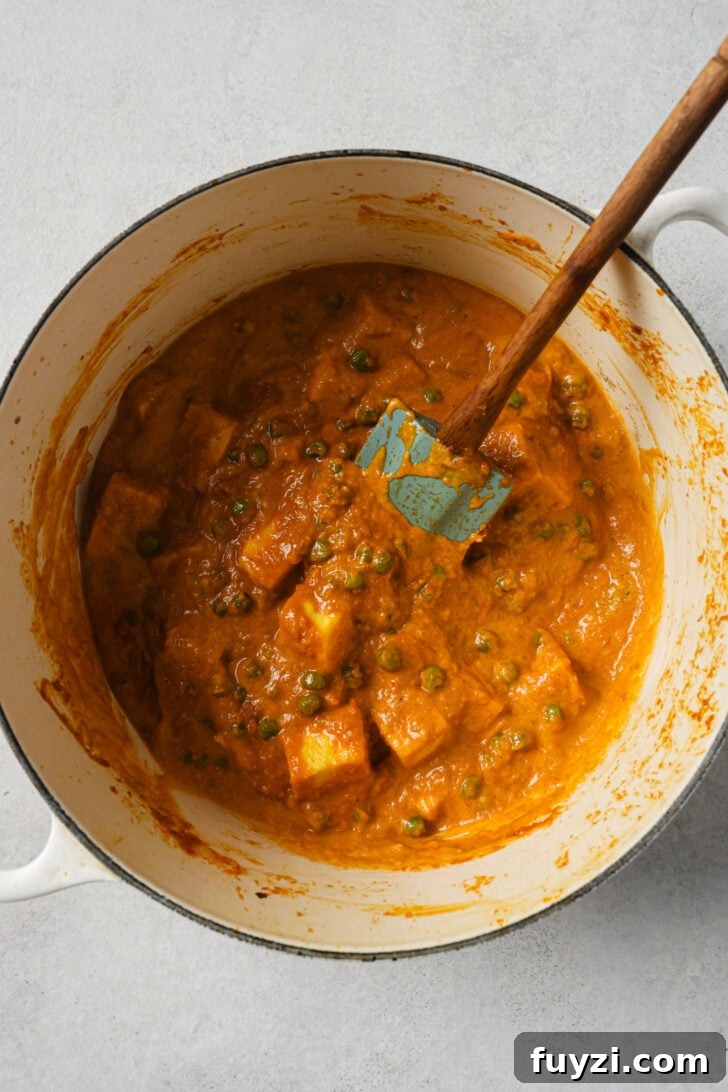
- Stir in the heavy cream and bring to a gentle simmer. Taste and adjust salt. Finish with garam masala, crushed fenugreek leaves if using, and chopped cilantro. Drizzle extra cream before serving if you like a richer finish.
Variations
- Vegan/dairy-free: Use firm tofu in place of paneer and a cashew or other plant-based cream instead of heavy cream.
- If you skip pan-frying the paneer but want a buttery note, finish the curry with about 1 1/2 tablespoons of salted butter before garnishing.
- If you do not purée the masala, adding a bay leaf while cooking can lift the aroma—remove before serving or discard before serving if you skip blending.
What to Serve With Matar Paneer
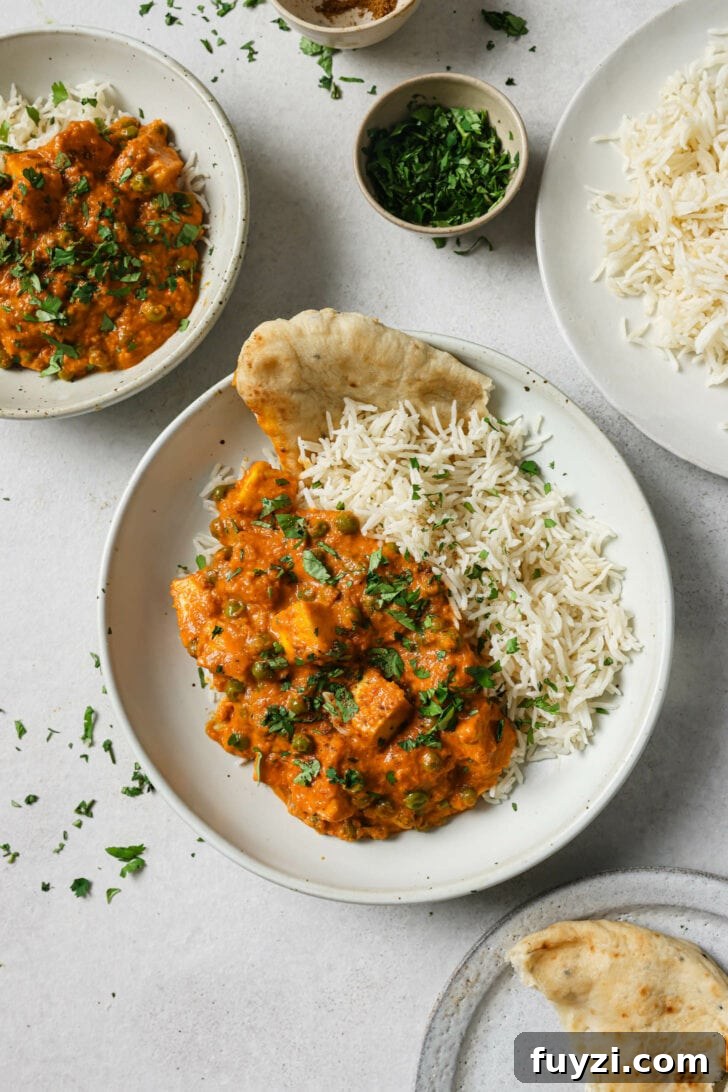
Serve hot with roti, naan, or paratha, or enjoy it over plain basmati rice. The sauce is generous, so it pairs well with bread or rice that can soak up the curry.
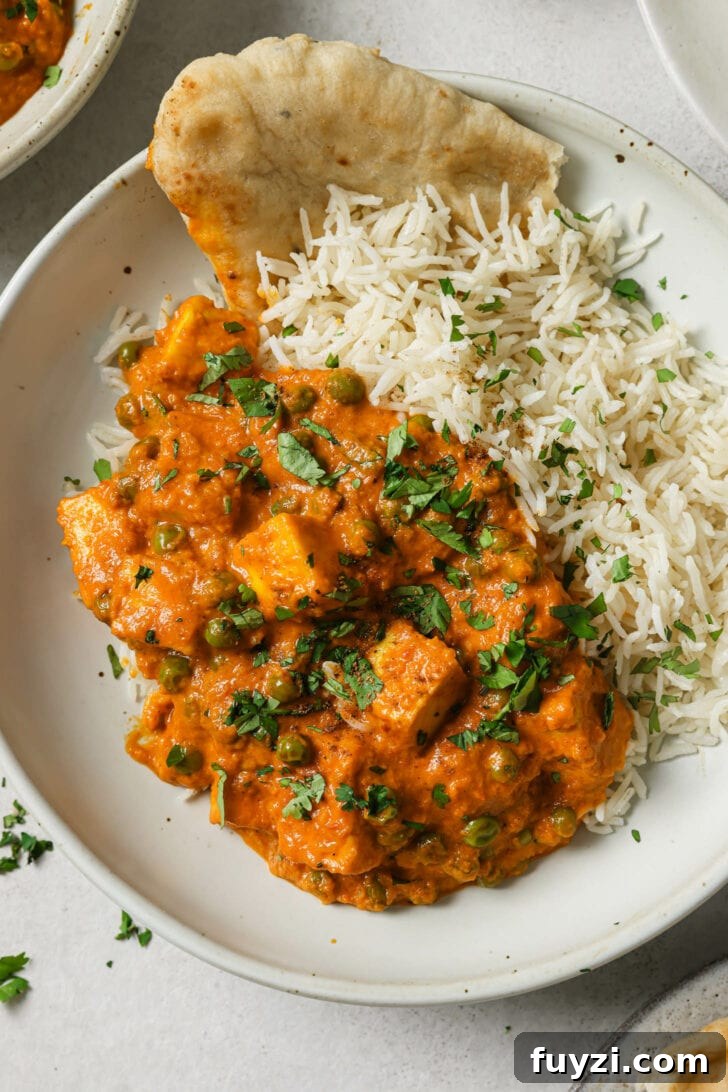
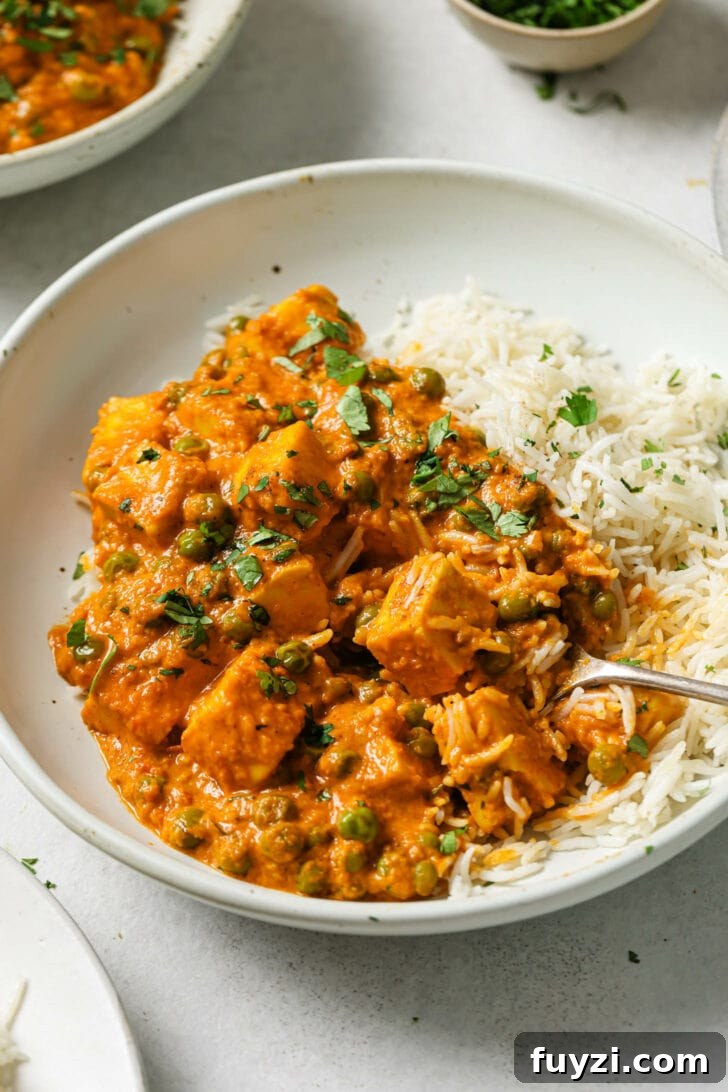
Tried this recipe? If you do, consider leaving a comment with your feedback or a photo—it’s always wonderful to hear how the dish turned out for you.
Matar Paneer Recipe (Easy, Restaurant-Style)
Yield: 4 servings
Prep Time: 10 mins • Cook Time: 45 mins • Total Time: 55 mins
Matar Paneer is a North Indian curry of peas and paneer in a rich tomato-onion sauce. This recipe blends traditional technique with an optional purée and a little cream for a smooth, restaurant-style finish.
Ingredients
- 1/4 cup neutral oil (such as grapeseed)
- 1 large onion (about 300 g), finely chopped
- 5 garlic cloves, finely chopped or crushed
- 1-inch piece ginger (~1 tbsp), finely chopped or crushed
- 2 tbsp tomato paste
- 3 ripe vine or Roma tomatoes (~300 g), puréed
- 1 small Serrano or Thai green chili, roughly chopped (deseed for less heat)
- 1 green cardamom pod
- 2 tsp coriander powder
- 1 tsp Kashmiri chili powder or paprika
- 3/4 tsp cumin powder (or cumin seeds)
- 1/2 tsp turmeric powder
- 1/2 tsp red chili powder or cayenne
- 1 1/2 tsp kosher salt
- 1 cup water (plus extra 1/2–3/4 cup if needed)
- 1 1/2 tbsp ghee or butter (optional, for pan-frying)
- 8 oz (226 g) paneer, cut into ~1/2-inch cubes
- 1/4 tsp sugar (optional)
- 1 1/4 cup (about 165 g) frozen green peas, thawed
- 1/4 cup heavy whipping cream, plus more to drizzle
- 1/8–1/4 tsp garam masala
- 1/2 tsp dried methi (fenugreek leaves), crushed (optional)
- 3 tbsp cilantro, finely chopped
Instructions
- Heat the oil in a medium pan over medium-high heat. Add the onions and sauté 10–12 minutes until golden, deglazing with 1/4 cup water if they begin to stick. Continue to cook 2–3 minutes until a deeper brown. Add garlic and ginger and sauté 2 minutes until aromatic.
- Add tomato paste, puréed tomatoes, green chili, cardamom pod, coriander, cumin, Kashmiri chili or paprika, turmeric, red chili powder, and salt. Cook 8–10 minutes until the tomato mixture reduces and oil starts to separate. If it sticks, deglaze with 1/4 cup water.
- Turn off the heat and let the masala cool slightly. Purée in a food processor until mostly smooth, if desired. Return the sauce to the pan and add 1 cup water.
- Optional: If pan-searing paneer, heat ghee or butter in a nonstick pan over medium heat. Fry the paneer cubes in a single layer, turning constantly, until lightly golden on all sides (about 6–8 minutes). Transfer to a plate.
- Heat the sauce over medium. Stir in sugar if using. Add the thawed peas, cover with the lid slightly ajar, and simmer 5–7 minutes. Stir in the paneer and simmer uncovered for another 10 minutes, stirring occasionally. Add 1/2–3/4 cup water if the masala becomes too thick.
- Pour in the heavy cream and bring to a gentle simmer. Taste and adjust salt. Turn off the heat and sprinkle with garam masala, crushed methi (if using), and cilantro. Drizzle additional cream if desired and serve hot with basmati rice, roti, naan, or paratha.
Notes
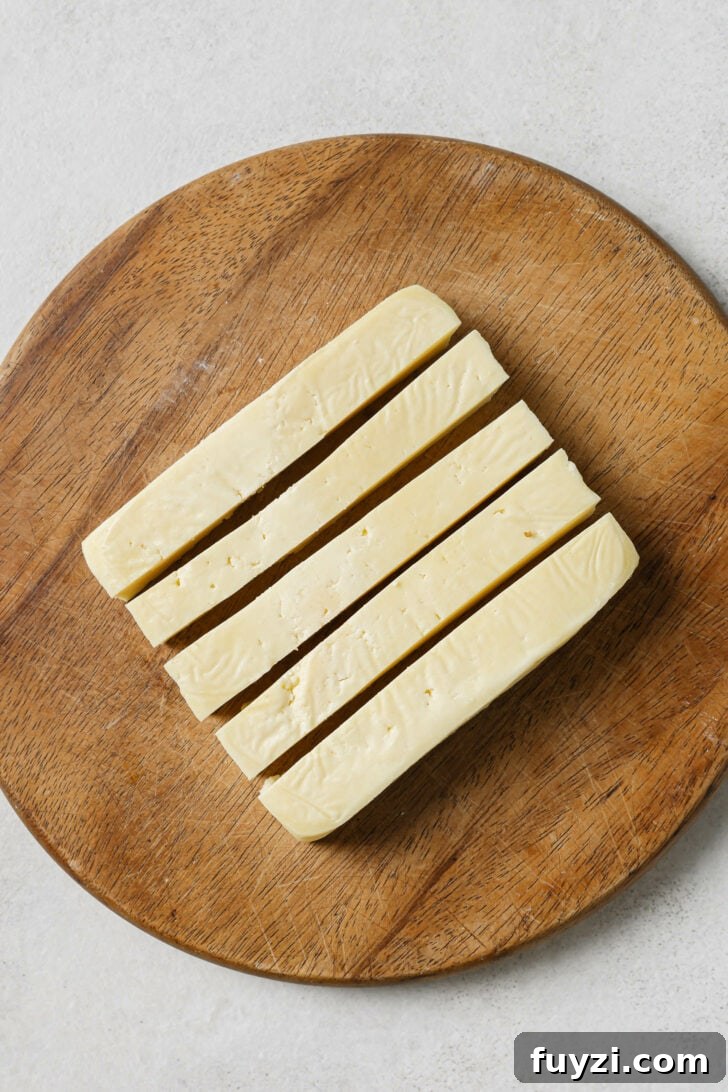
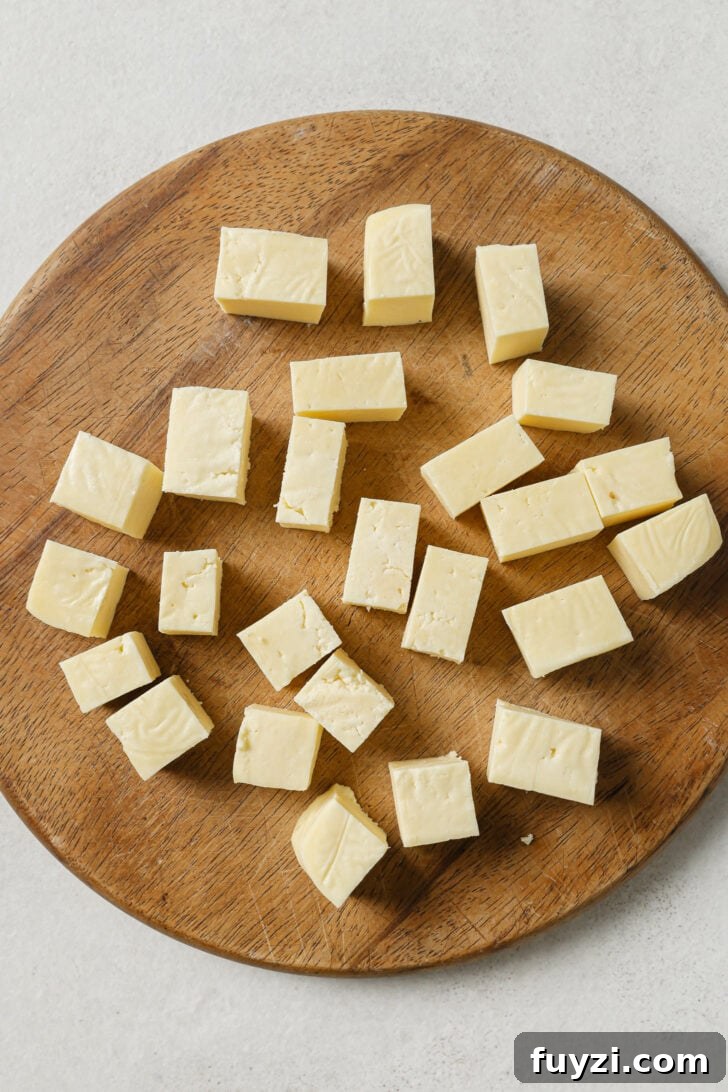
- Cutting paneer: Slice the block into vertical 1/2″ strips, then into 1/2″ horizontal strips to create even cubes. Adjust size to fit your block.
- Puréeing the masala: Optional but recommended for a smooth, restaurant-style sauce. If you skip puréeing, add the measured water and proceed.
- Soft paneer tip: If paneer becomes firm after frying, simmer it in the sauce to help it soften again.
Nutrition (per serving, approximate)
Calories: 417 kcal • Carbohydrates: 18 g • Protein: 13 g • Fat: 34 g • Saturated Fat: 14 g • Fiber: 5 g • Sugar: 7 g • Calcium: 331 mg • Iron: 2 mg
Author: Izzah Cheema • Course: Main Course • Cuisine: Indian, Pakistani, Punjabi