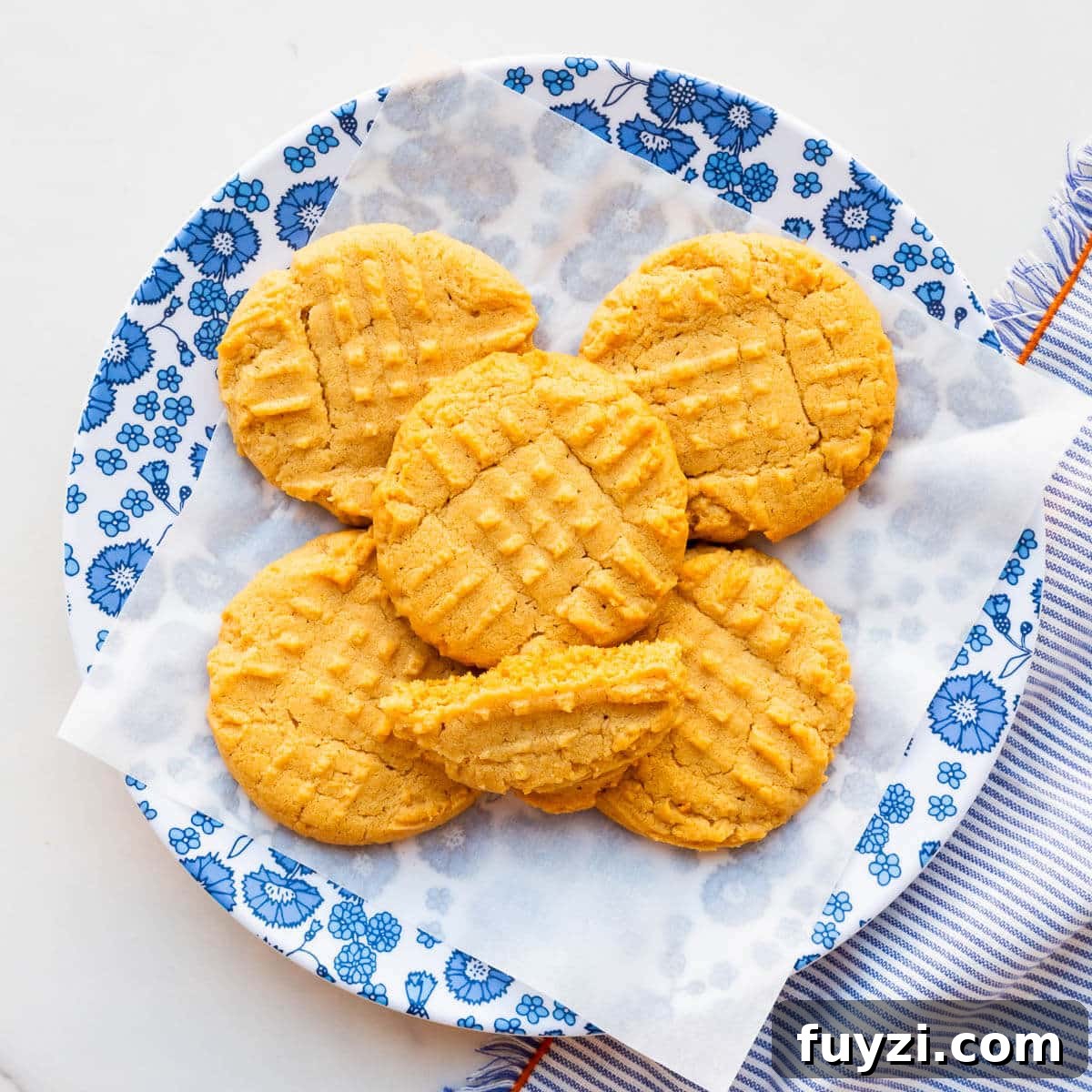
This easy recipe shows how to make classic peanut butter cookies using all‑natural peanut butter. By adjusting the flour amount these cookies bake up thicker and spread less, and they’re finished with the familiar criss‑cross fork pattern that marks a traditional peanut butter cookie.
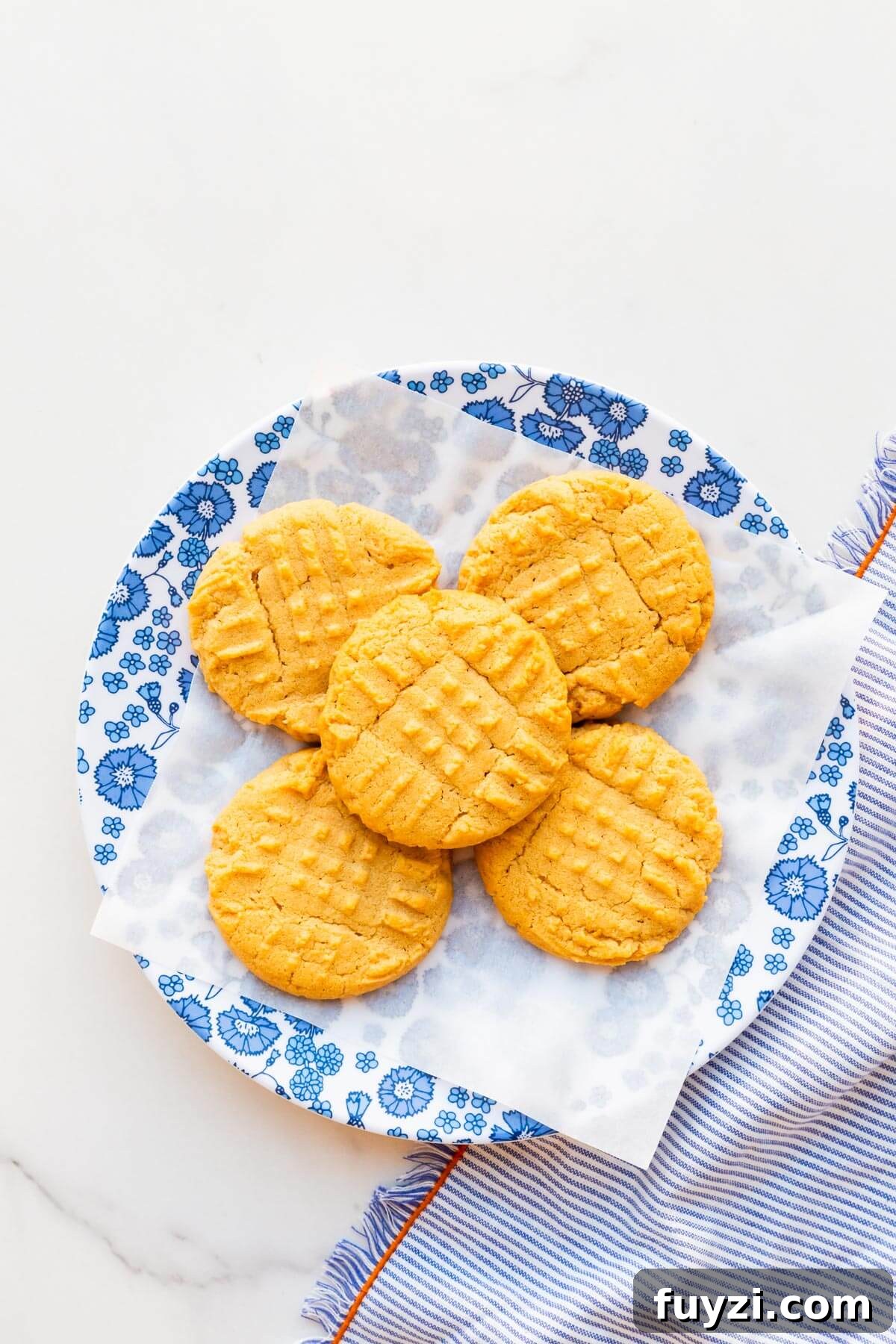
This version comes from a long‑used family recipe — a straightforward riff on the peanut butter cookies many of us grew up with. Unlike flourless three‑ingredient peanut butter cookies, this recipe uses both butter and peanut butter along with flour, eggs and baking soda for structure and texture.
Ingredients
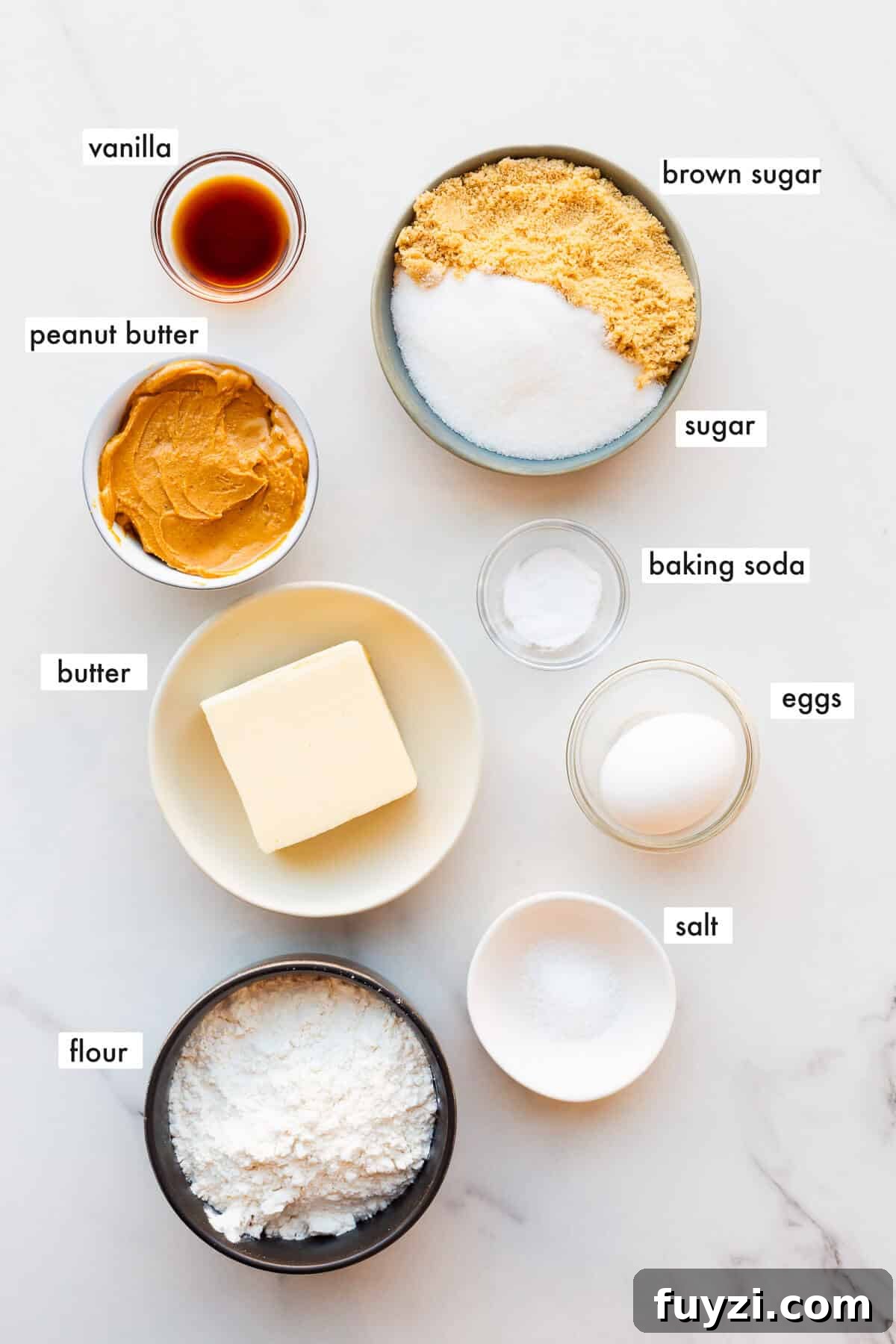
- 115 grams unsalted butter, room temperature
- 125 grams all‑natural, unsweetened smooth peanut butter
- 100 grams granulated sugar
- 100 grams light brown sugar
- 1 large egg
- 2.5 mL pure vanilla extract
- 2.5 mL baking soda
- 2.5 mL fine kosher salt (reduce by half if using table salt)
- 188 grams bleached all‑purpose flour (or 125 grams for softer, thinner cookies)
The ingredient list above reflects the tested recipe quantities. Use 125 g flour for thinner, chewier cookies that spread more; use 188 g flour for thicker, chewier cookies that spread less.
Substitutions and variations
- Peanut‑free: swap in almond butter or sunflower seed butter. Note: sunflower seed butter can react with baking soda and may darken or take on a greenish tint, but the flavor is still good.
- Chocolate: stir in up to 175 grams (about 1 cup) chocolate chips or chopped chocolate — semi‑sweet is classic, white chocolate is a nice alternative.
- Shortening: using shortening instead of butter yields taller, less spreading cookies. If using shortening, reduce flour to 125 grams (1 cup) so the cookies will still spread adequately.
Testing notes
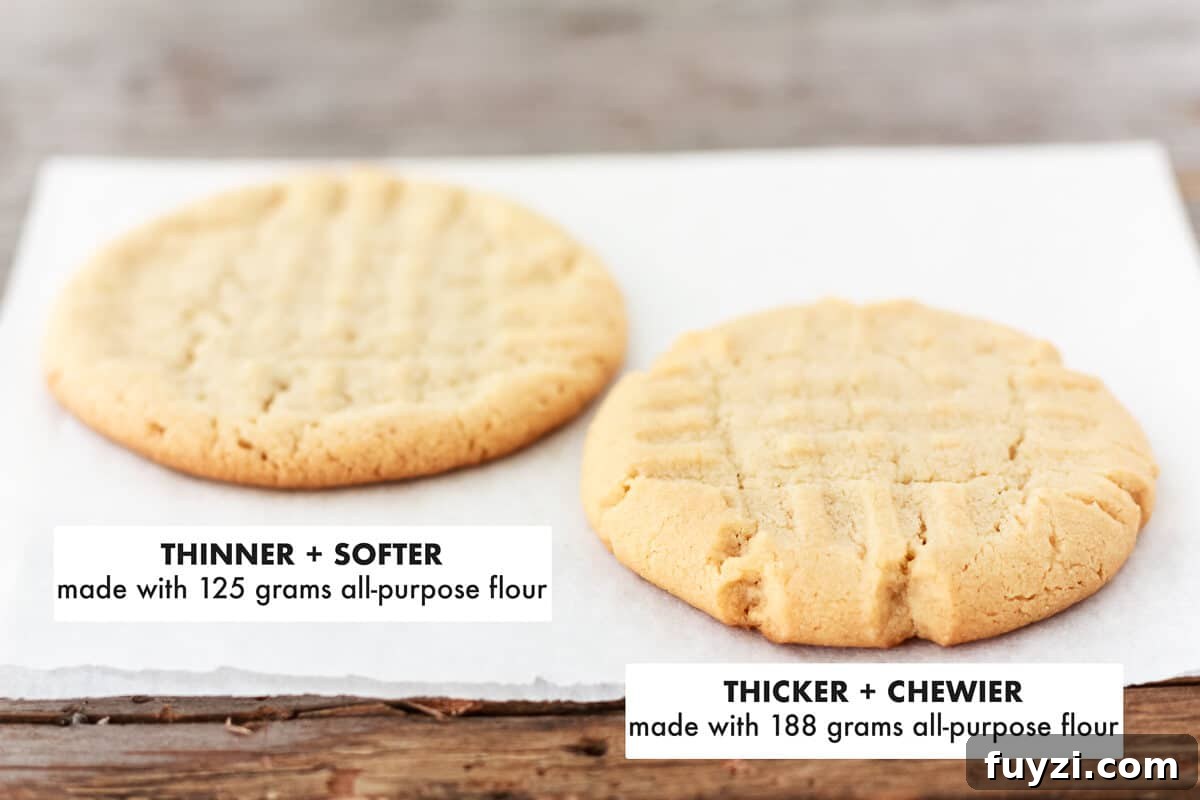
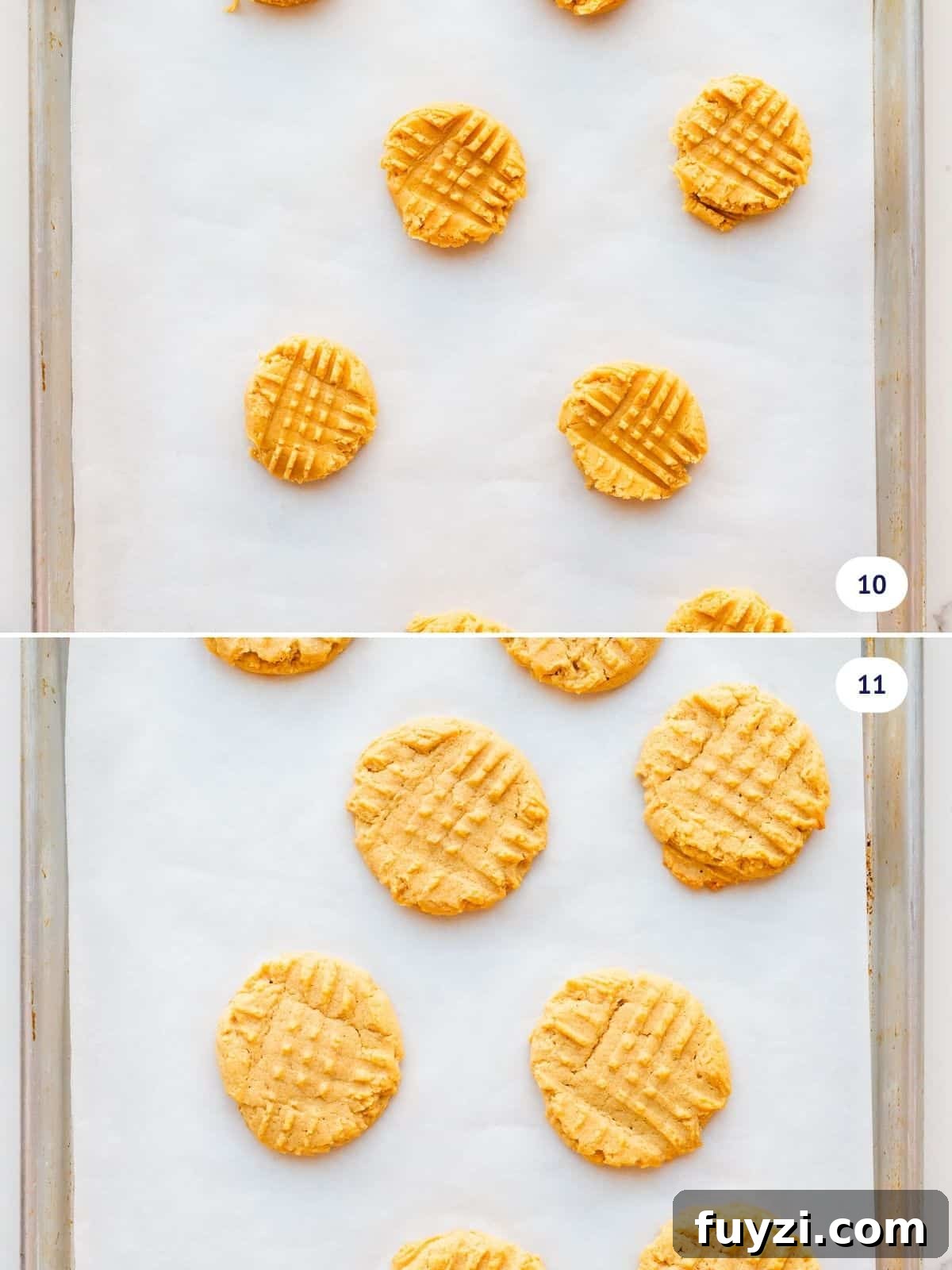
A simple way to control thickness is flour weight. In development, two main versions were compared:
- 125 grams flour: cookies spread more and are thinner, softer and slightly chewy.
- 188 grams flour: cookies spread less and bake up thicker, firmer and chewier.
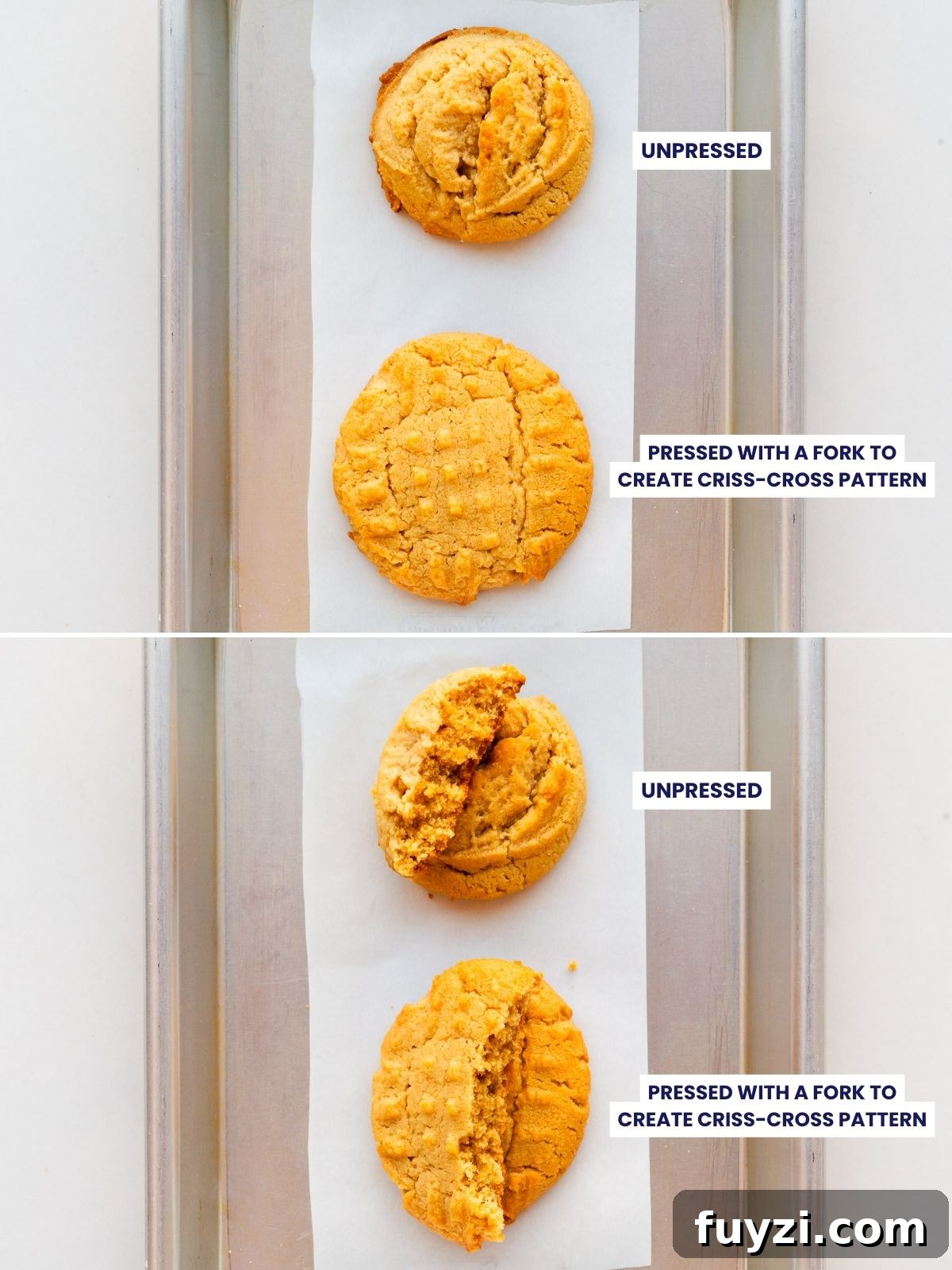
Also, pressing the dough with a fork before baking is mostly aesthetic but helps the cookies spread and gives that classic criss‑cross look. Unpressed cookies will stay taller and rounder.
How to make classic peanut butter cookies
This recipe is forgiving and beginner‑friendly. You can mix the dough by hand with a sturdy wooden spoon or spatula, or use an electric hand mixer or stand mixer for speed.
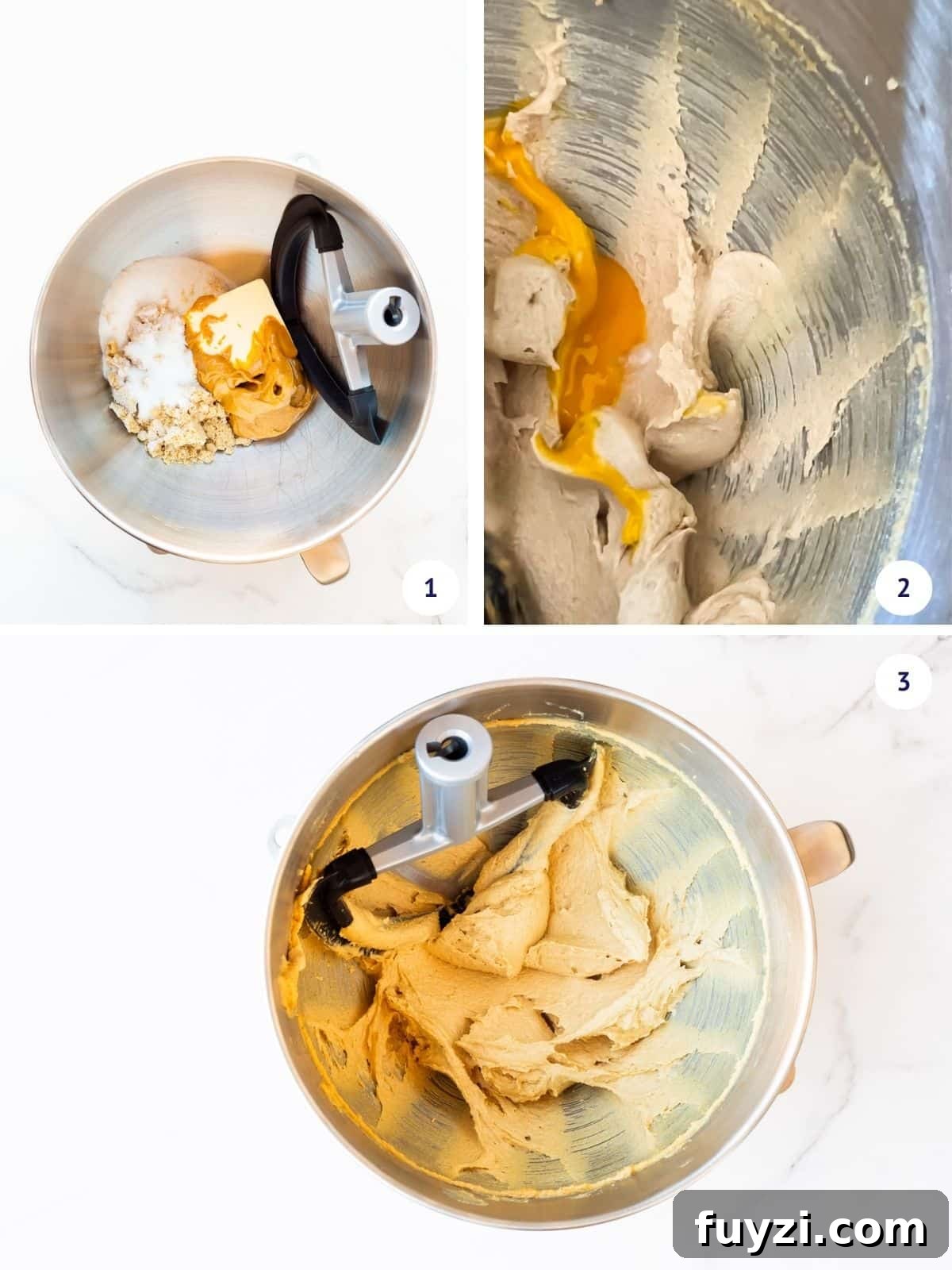
Step 1: Preheat the oven to 350°F (175°C). In a mixer bowl, cream the butter, peanut butter and both sugars until smooth and slightly fluffy. Scrape the bowl as needed.
Step 2: Add the egg and vanilla, beating until incorporated.
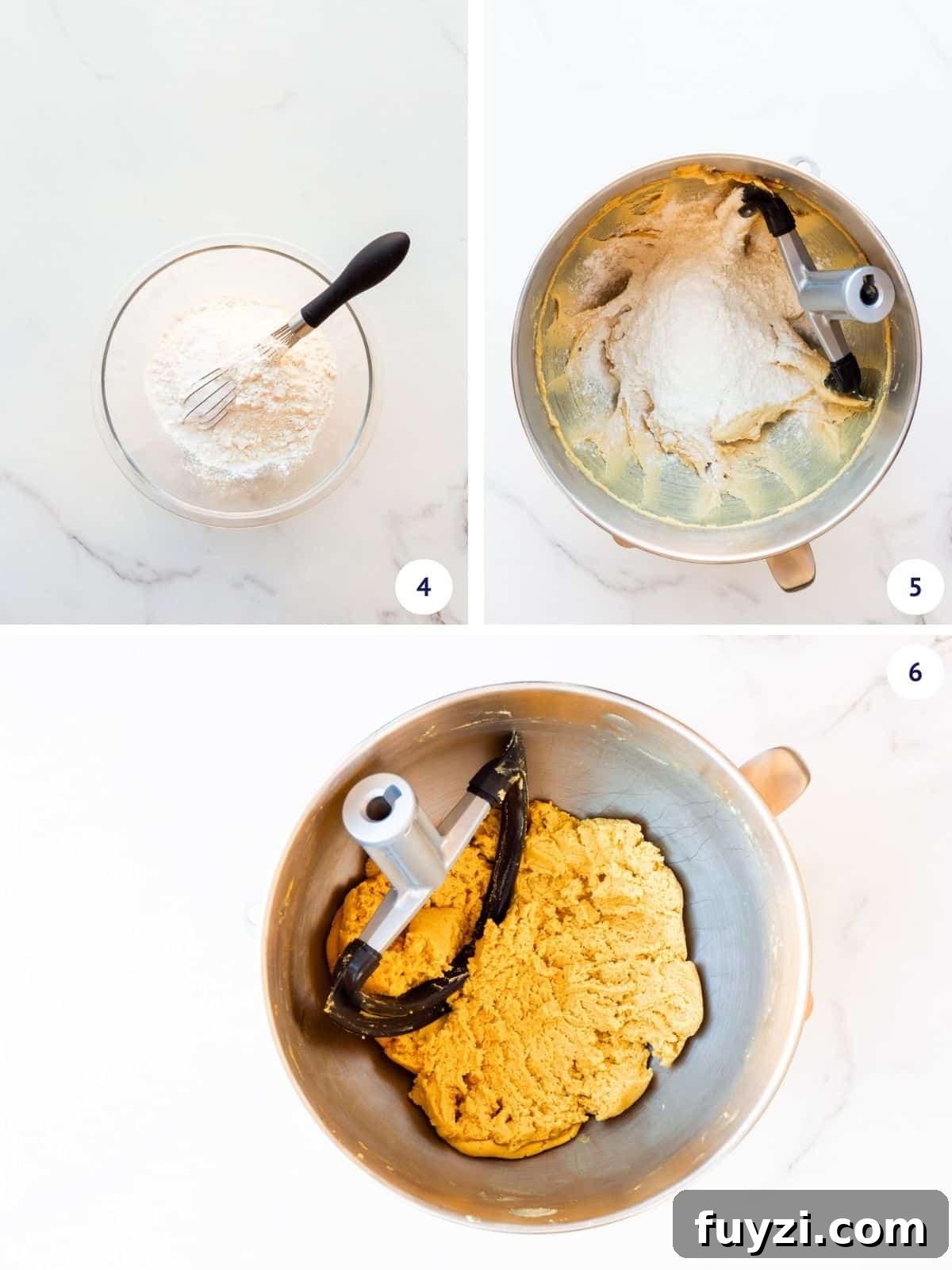
Step 3: Whisk together the flour, baking soda and salt in a separate bowl. For softer, thinner cookies use 125 g flour; for thicker, chewier cookies use 188 g flour. Add the dry mix to the wet ingredients and stir until a thick dough forms.
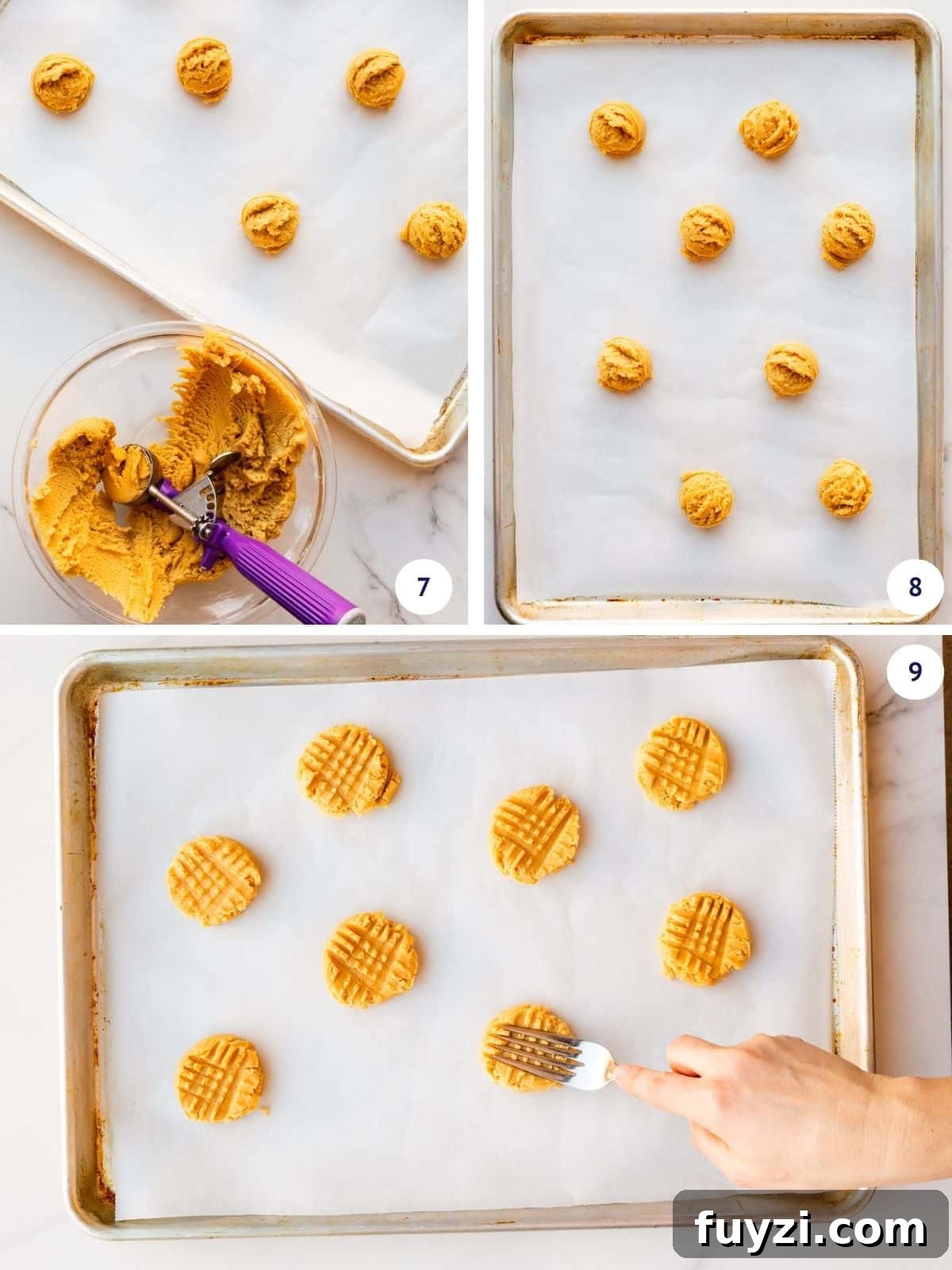
Step 4: Portion dough with a small scoop (about 30–35 g each) onto parchment‑lined sheet pans, spacing to allow room for spreading. Flatten each mound with a fork pressed in two directions to create a criss‑cross pattern. Optionally roll the dough lightly in granulated sugar first to reduce sticking and add a subtle surface crackle.
Step 5: Bake 10–12 minutes at 350°F (175°C) for a chewy cookie, or 13–15 minutes for a crisper cookie. Bake until the edges are set and the surface looks dry. Let cookies cool on the pan for several minutes before transferring to a wire rack to cool completely.
Baking with natural peanut butter
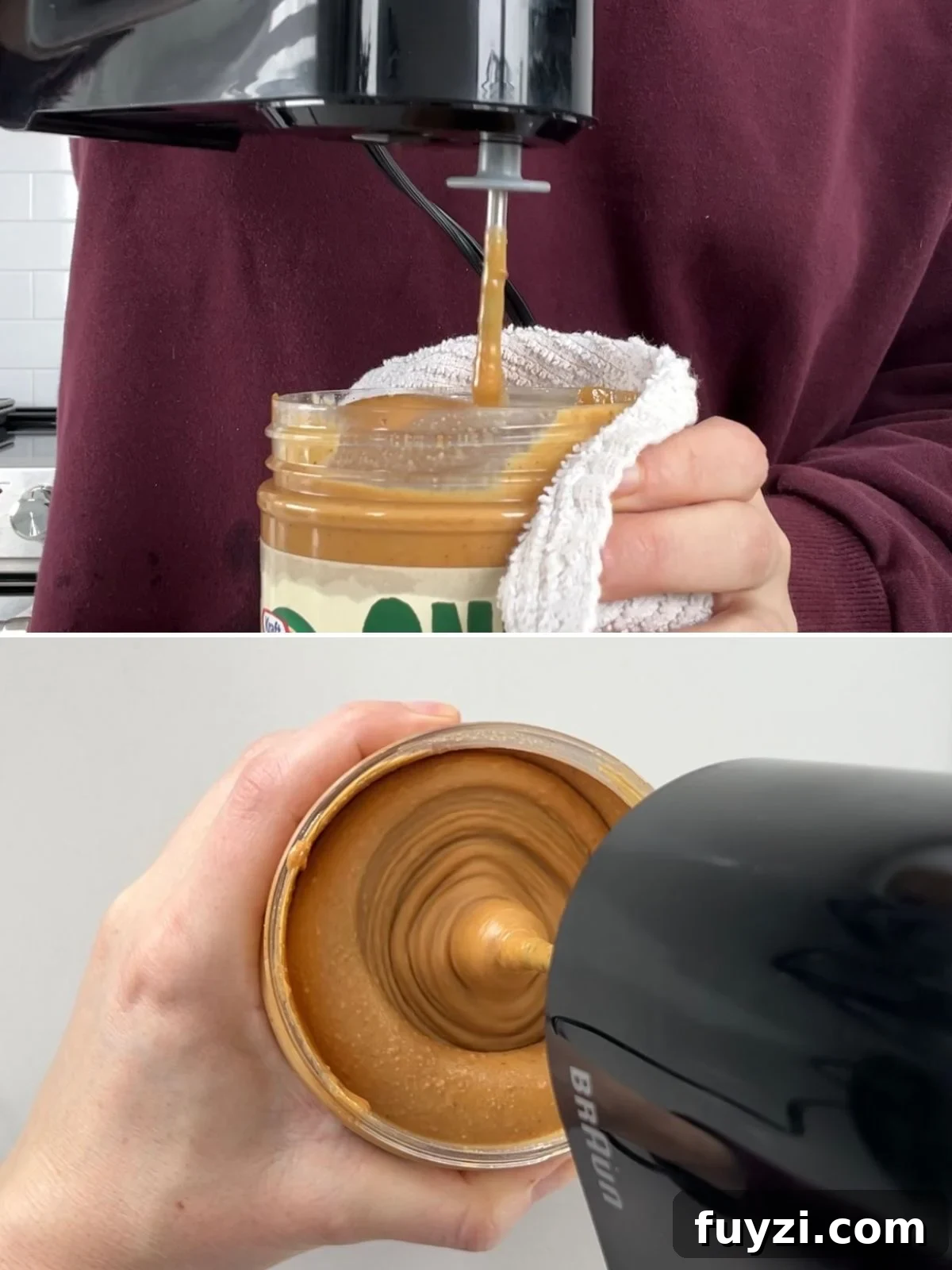
Natural peanut butter separates: oil rises to the top and solids settle. Before measuring, stir the jar well so oil and solids are evenly distributed. You can stir by hand with a spoon or use an electric hand mixer in a bowl for faster, safer mixing (hold the jar firmly if mixing in the jar).
Tip: If using an electric mixer inside the jar, be cautious — the oil can splash. Transferring peanut butter to a bowl first is an easy, tidy option.
Peanut butter cookie tips
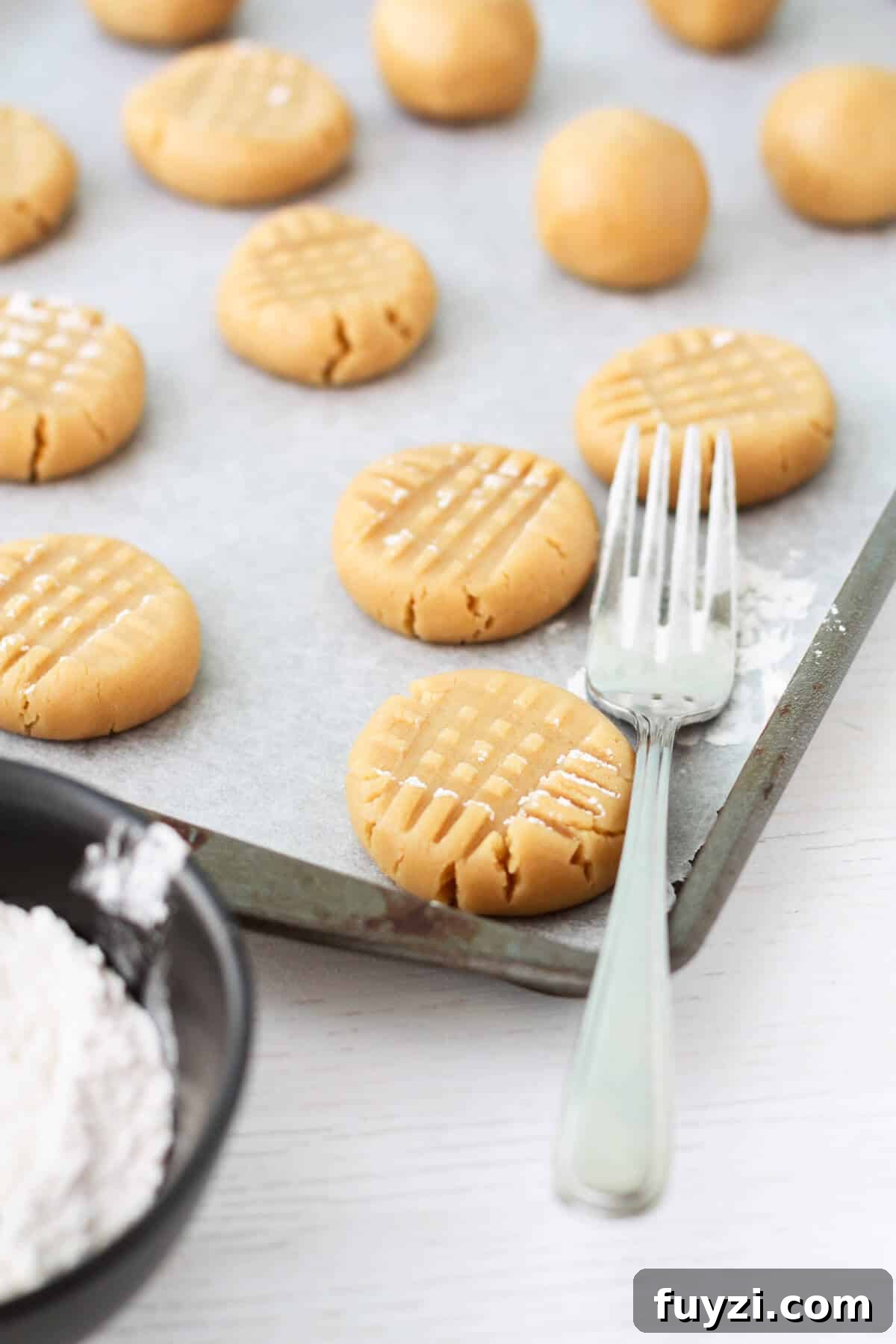
- Pressing the dough with a fork before baking not only creates the classic pattern but also helps the cookie spread so it’s not overly thick.
- If the fork sticks, dust the fork lightly with flour and brush off excess before pressing the dough.
- Adjust bake time to control texture: shorter for soft, chewy centers; longer for crisp edges.
- If you bake on dark pans, consider lowering the oven temperature by about 25°F (15°C) to prevent over‑browning.
Peanut butter cookie FAQs
Other easy drop cookie recipes to try
Once you have this base cookie mastered, try variations such as adding oatmeal and chocolate chunks, swapping in white chocolate and dried fruit, or adding chopped nuts for extra texture. For a flourless option, try a simple three‑ingredient peanut butter cookie made with peanut butter, sugar and an egg.
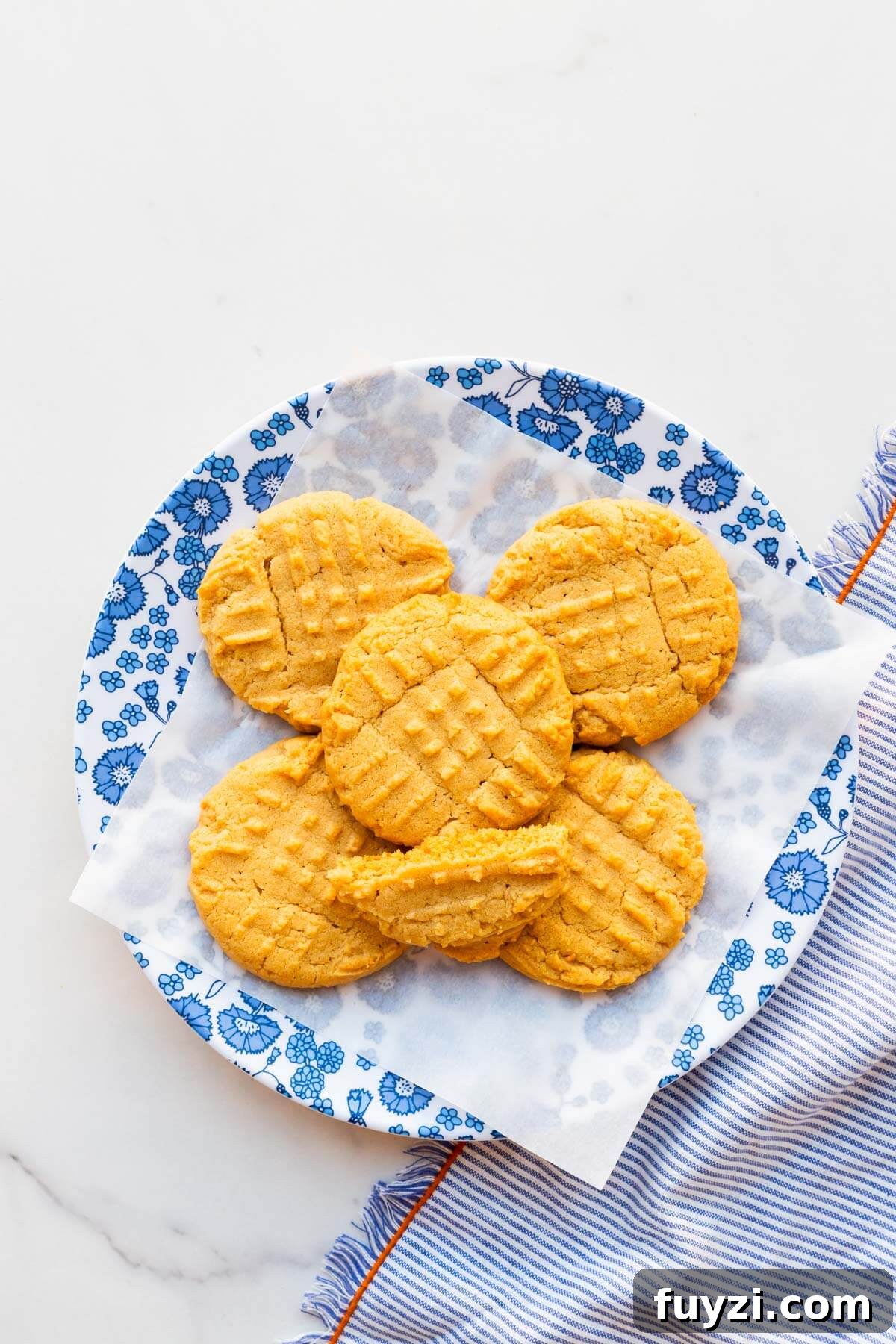
If you tried this recipe for classic peanut butter cookies made with natural peanut butter, please leave a star rating and share how it went in the comments. I love hearing about your results!
📖 Recipe
Classic Peanut Butter Cookies (makes about 24)
Prep time: 15 minutes • Cook time: 10 minutes • Total: 25 minutes
Ingredients
- 115 g unsalted butter, room temperature
- 125 g all‑natural unsweetened smooth peanut butter
- 100 g granulated sugar
- 100 g light brown sugar
- 1 large egg
- 2.5 mL pure vanilla extract
- 2.5 mL baking soda
- 2.5 mL fine kosher salt (or half the amount table salt)
- 125–188 g all‑purpose flour (125 g for softer, thinner cookies; 188 g for thicker, chewier cookies)
Instructions
- Preheat oven to 350°F (175°C).
- Cream butter, peanut butter and both sugars until smooth. Scrape bowl as needed.
- Add the egg and vanilla and mix until incorporated.
- Whisk flour, baking soda and salt in a separate bowl. Add dry mix to wet ingredients and mix to form a thick dough.
- Scoop dough (about 30–35 g per cookie) onto parchment‑lined sheet pans. Flatten with a fork pressed in two directions to create a criss‑cross pattern.
- Bake 10–12 minutes for chewy cookies, 13–15 minutes for crisper cookies. Edges should be set and tops dry.
- Let cool on the pan for several minutes, then transfer to a rack to cool completely.
Notes
- Reduce salt if you are using table salt instead of fine kosher salt.
- If fork tines stick, dust the back of the fork with a little flour and brush off excess before pressing dough.
- For best results with natural peanut butter, stir the jar thoroughly so oil and solids are evenly mixed before measuring.