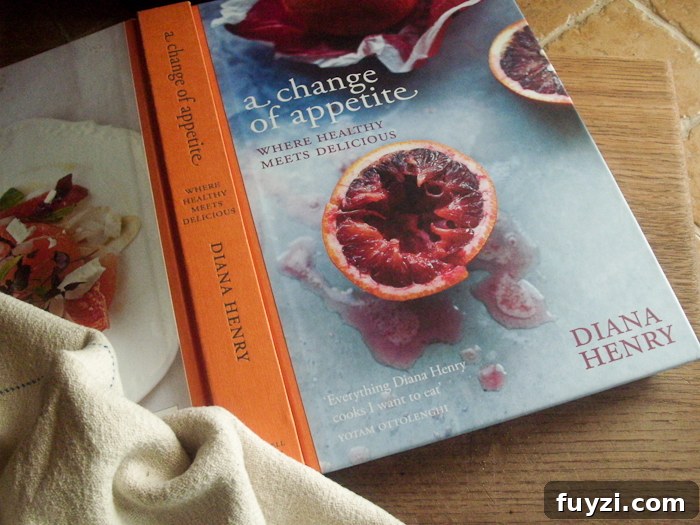
 A Change of Appetite: where healthy meets delicious by Diana Henry – Review
This is a book I didn’t know I needed until I read it. I bought Diana Henry’s A Change of Appetite as a treat and quickly discovered it answered the questions I’d been wrestling with about healthy eating: what to grow, what to cook, and what to enjoy without feeling deprived.
Henry’s aim is simple and appealing: to create dishes that are “accidentally healthy” — recipes that are delicious first and nutritious as a welcome bonus. That tone runs through the whole book. The recipes are vivid, colourful and designed to feel satisfying rather than restrictive. The writing sounds like a knowledgeable friend in the kitchen, offering practical tips rather than distant theory.
Accidentally healthy
In the introduction Henry sets out the evidence and her rationale in clear, measured terms. She explains the science behind the choices she recommends, but she isn’t prescriptive. Her central idea is to make food you want to eat: vibrant, flavourful dishes that happen to be good for you.
…dishes that were so good (and good for you, too, but first of all delicious) that you wouldn’t feel you were missing out.
The recipes feel tested and familiar in the best way: concise instructions, sensible timing, and helpful asides. Henry writes like someone who actually cooks these recipes for family and friends, and that makes them easy to follow and adapt.
Seasonal cooking
The book is arranged by season, and each chapter opens with a brief, evocative note about what to expect from the produce and flavours of that time of year. Henry writes about seasonal eating with sensory detail — the juiciness of summer fruit, the appeal of smoky grilled meat — and she suggests ways to make the most of each ingredient.
…you want the juice of a peach to run down your arm – or the smokiness of griddled chicken.

Mini-essays
Between recipes Henry includes short essays on topics such as calories, the shifting landscape of diets, breakfast, lunch, and the importance of colourful vegetables. These sections balance friendly realism with useful science and occasional humour. They offer context without lecturing, and they expand the book beyond a mere collection of recipes into a thoughtful guide to eating well.
Recipes
Many recipes draw on flavours from the Middle and Far East, and the book encourages bold, layered seasoning. I’ve cooked many of the dishes and adapted others using the book’s ideas: Japanese ginger and garlic chicken with smashed cucumber; white fish with saffron and dill couscous; chicken with pumpkin, soy and star anise; lamb with Kurdish rhubarb and split peas. There are also numerous breakfasts, salads, and snacks that make healthy eating feel effortless.
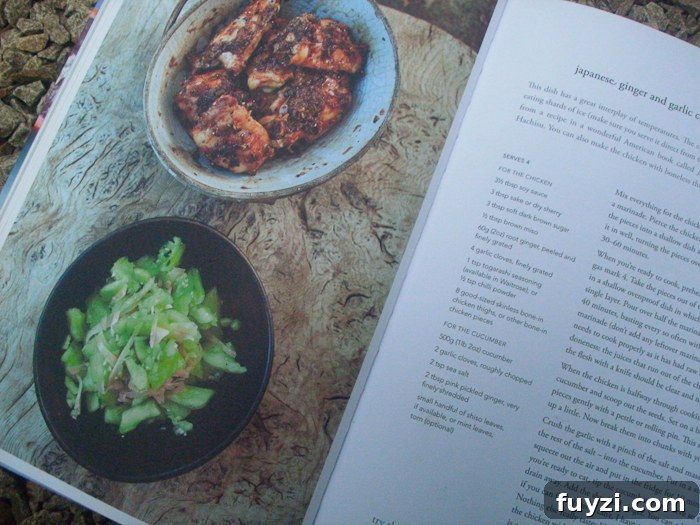
Henry often suggests alternative ingredients and variations, encouraging cooks to start with what’s at hand. That flexibility is a major strength: the recipes are inspirational templates as much as precise formulas. To make the most of the book you’ll benefit from a well-stocked pantry and access to a few specialist ingredients, though substitutions work well. Henry also provides a helpful supplier list and bibliography for readers who want to explore further.
And so…
The real measure of this book for me has been how it changed my routine. I now plan meals with fewer refined carbohydrates and more whole grains, I include vegetables at breakfast more often, and I deliberately cook with leftovers in mind so breakfasts and lunches are quick and satisfying. The book has nudged my daily cooking toward a healthier, more colourful rhythm without sacrificing pleasure.
If you want to rethink what and how you eat, enjoy readable, often witty writing, and like the idea of tasty meals that also happen to be good for you, this book is an excellent companion for the kitchen.
Disclosure: Diana Henry kindly provided a testimonial for my own book around the same time; I purchased my copy of A Change of Appetite and I would not have written this review if I didn’t think it merited attention.