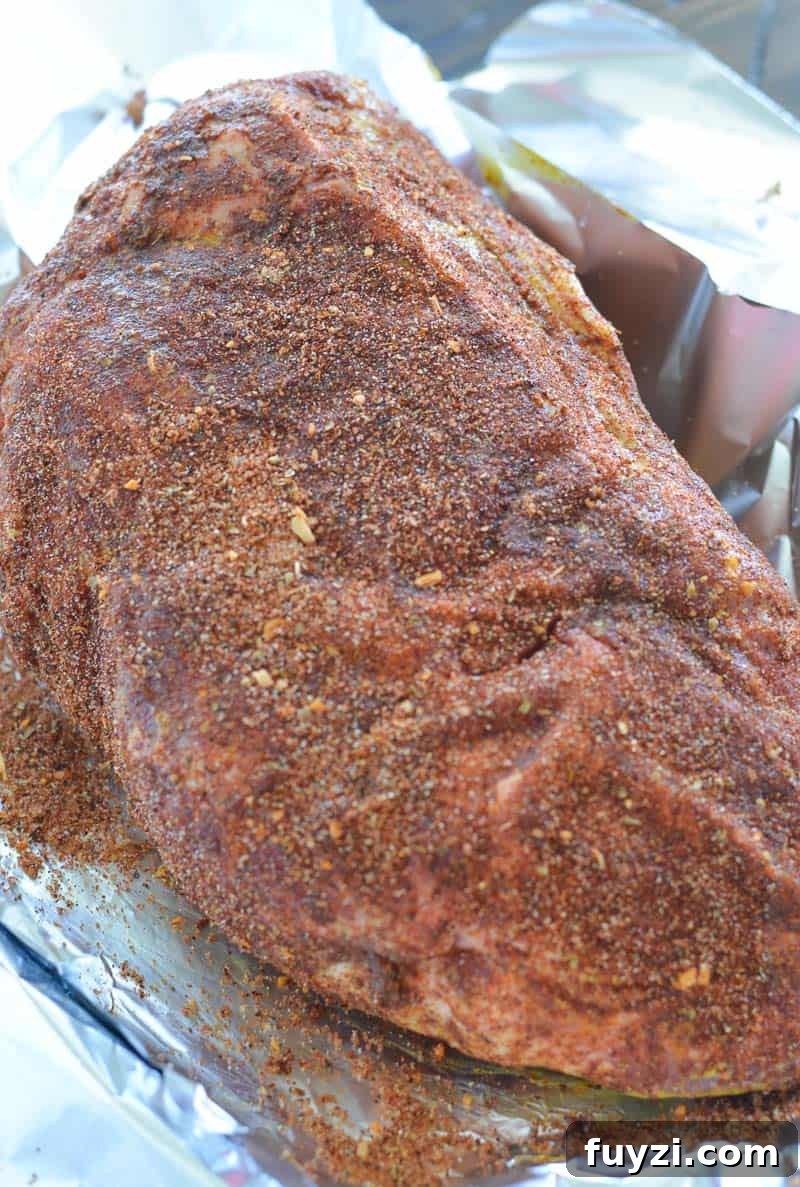
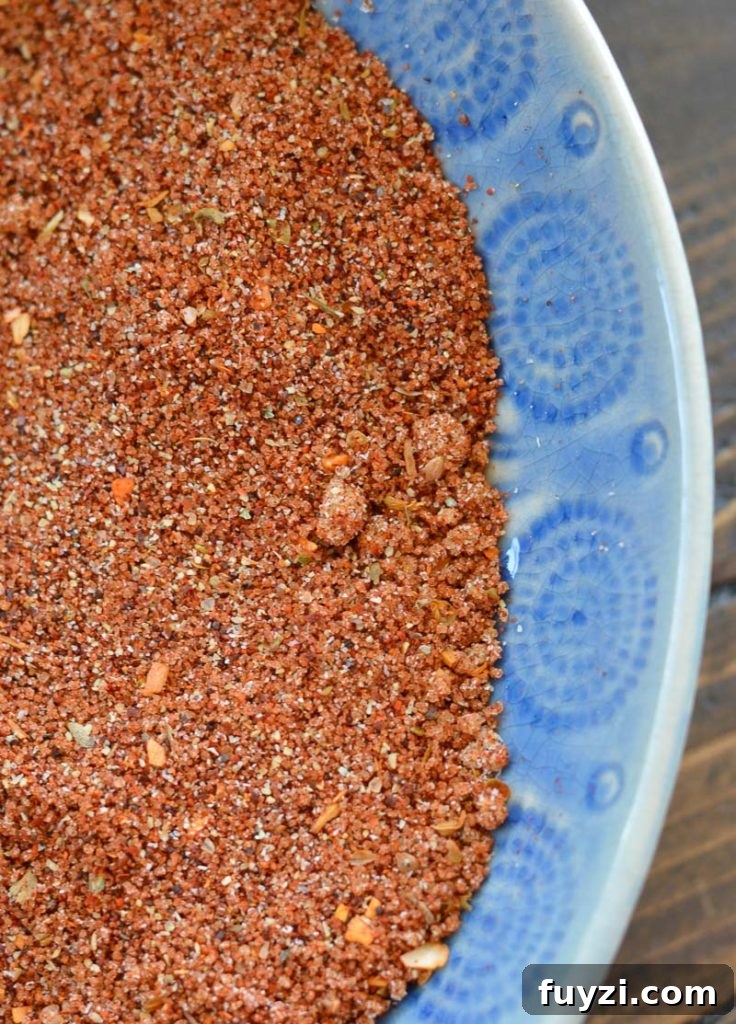
This homemade Keto BBQ Rub is a versatile, low-carb, paleo-friendly, and sugar-free spice blend ideal for grilling, smoking, roasting, or pan-searing. Made from common pantry spices, it adds bold flavor to pork, chicken, beef, seafood, and vegetables without the added sugar found in many store-bought mixes.
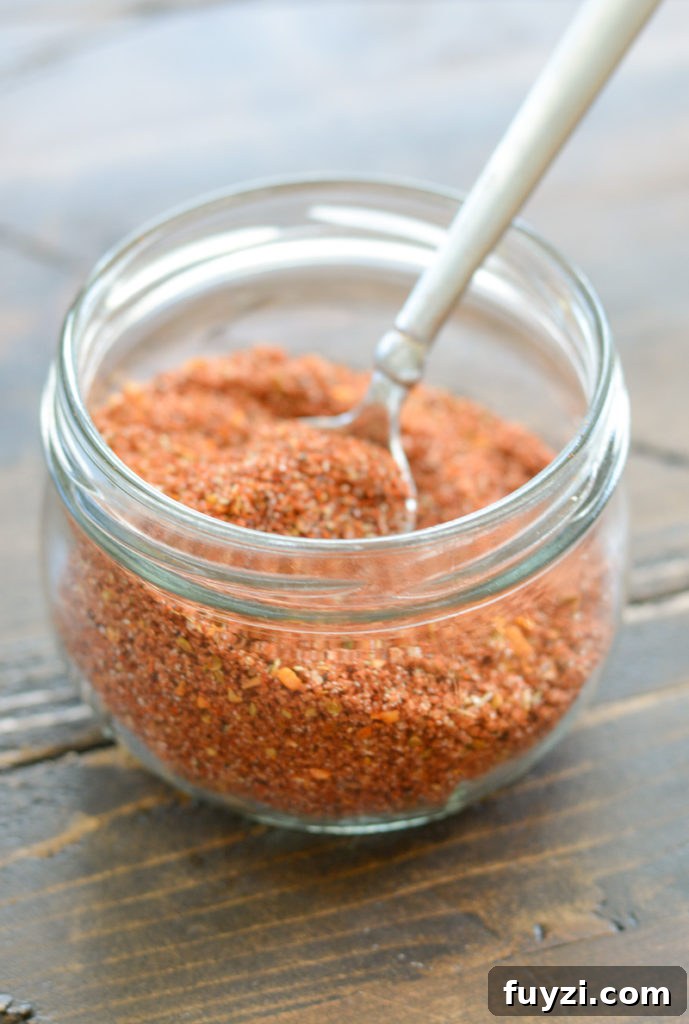
Is BBQ Dry Rub Keto?
If you enjoy barbecue but follow a low-carb or keto lifestyle, many commercial BBQ rubs can be disappointing because they include sugar or maltodextrin. This recipe recreates the savory, smoky, and slightly sweet profile of a classic Memphis-style dry rub using a keto-friendly brown sugar substitute so you still get that pleasing caramelized crust without the carbs. If you’re not following a low-carb diet, you can simply substitute regular brown sugar for the same texture and flavor.
The result is an adaptable, all-purpose rub that balances heat, smoke, and savory aromatics. Use it on ribs, pork shoulder, chicken, steak, salmon, roasted vegetables, or even tofu for a flavorful, no-sugar coating.
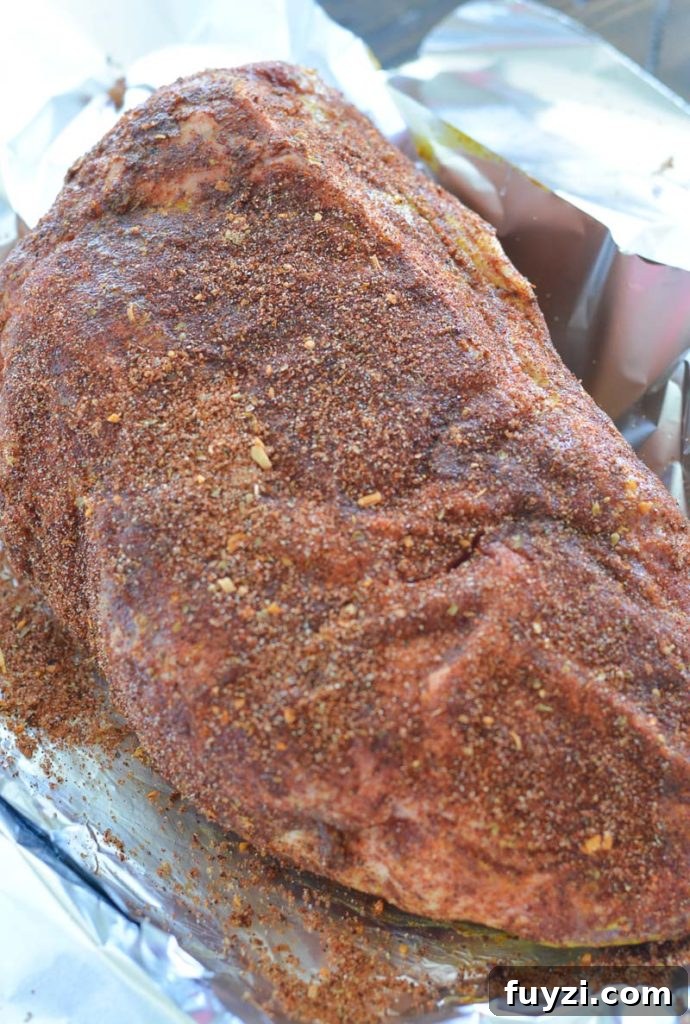
Ingredients for Keto BBQ Dry Rub
Creating your own spice blends at home is simple and cost-effective. You control each ingredient and can tweak the mix to suit your taste. For this low-carb BBQ dry rub, gather:
- brown sugar monk fruit (a low-carb brown sugar substitute)
- chili powder
- garlic powder
- onion powder
- black pepper
- salt
- smoked paprika
If carbs are not a concern, swap monk fruit for regular brown sugar—dark brown sugar will give a deeper molasses note, but light brown sugar works fine too. You can also adjust the heat level by increasing or reducing the chili powder, or add a pinch of cayenne if you like more kick.
How much BBQ Rub do you need?
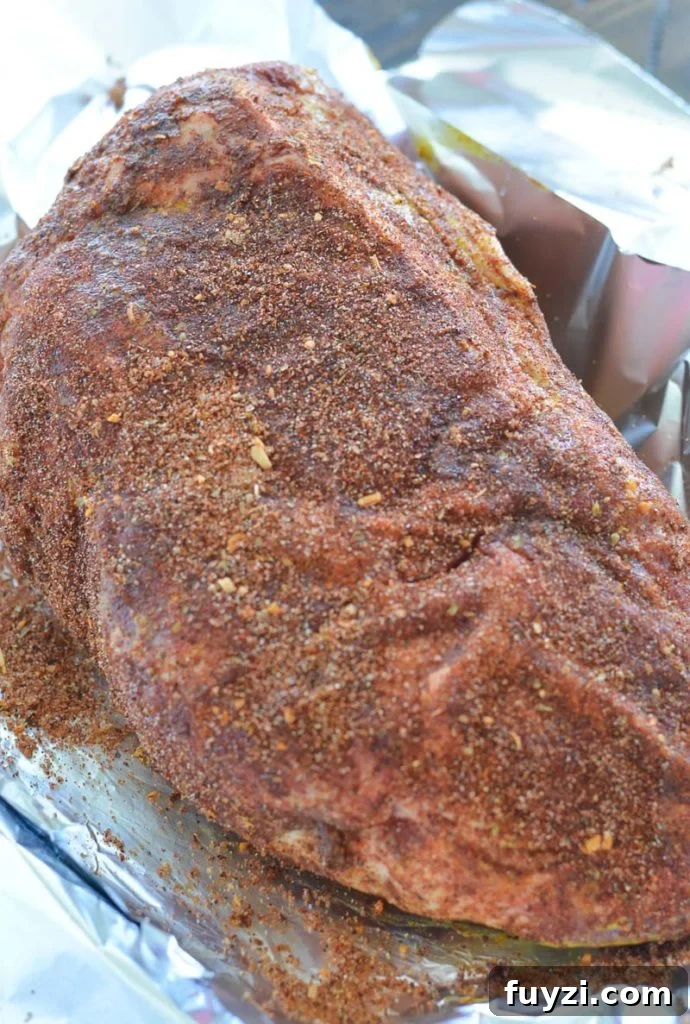
As a general guideline, use about 1 tablespoon of rub per pound of meat for cuts like chicken, pork chops, or steak. For ribs, two tablespoons across two pounds usually provides good coverage because of the greater surface area. For very large cuts such as pork butt or brisket, massage the rub into every crevice and under any flaps of fat or skin so the flavor penetrates deeply.
Vegetables require less seasoning—expect roughly 2 teaspoons per pound depending on how intensely you want them flavored. For hearty vegetables like cauliflower or eggplant, you can be more generous; for delicate vegetables, use less.
How to use Keto BBQ Dry Rub
This recipe yields about 1 cup of seasoning, which covers approximately 12–14 pounds of meat, depending on how heavily you apply it. Store the rub in an airtight jar in a cool, dark pantry for best freshness. Use it within two months for peak flavor, though it will remain usable for up to six months if kept dry and sealed.
Before applying the rub, pat the meat dry with paper towels. A dry surface encourages a good crust and proper caramelization. Apply a thin, even layer and massage it into every surface and fold of the meat. For chicken, push some of the rub under the skin to infuse the meat directly.
For vegetables, lightly coat pieces with oil so the rub adheres evenly, then sprinkle and toss to distribute. This works especially well on zucchini, asparagus, okra, and sliced cauliflower or cabbage “steaks” for a satisfying vegetarian option.
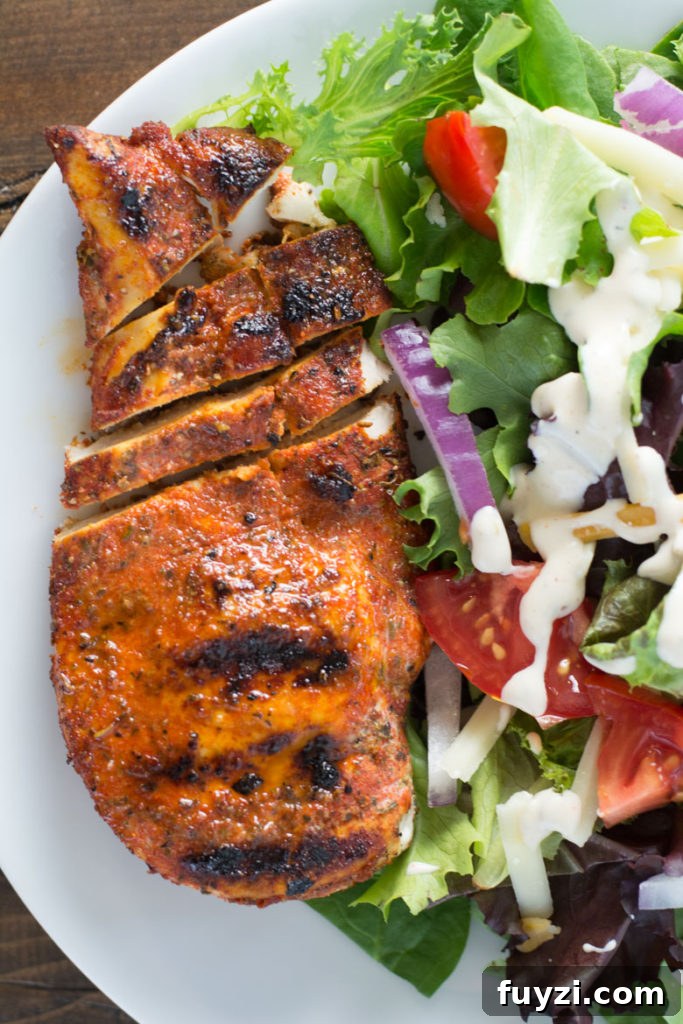
Do you have to use oil with a dry rub?
Oiling meat before applying a dry rub is optional. A thin layer of oil (olive, avocado, or another neutral oil) helps the rub adhere and can help spices form a crust. However, skipping the oil can produce a dryer exterior that sears faster and develops a crisper bark on the grill or in a hot pan. On a keto diet where added fats are desirable, a light oil coating can help the seasoning stick and enhance mouthfeel.
If you want a perfect sear, avoid excess oil and pat the meat dry first. For longer cooks or smoking, a thin oil layer is fine and will help the rub cling during the slow cook.
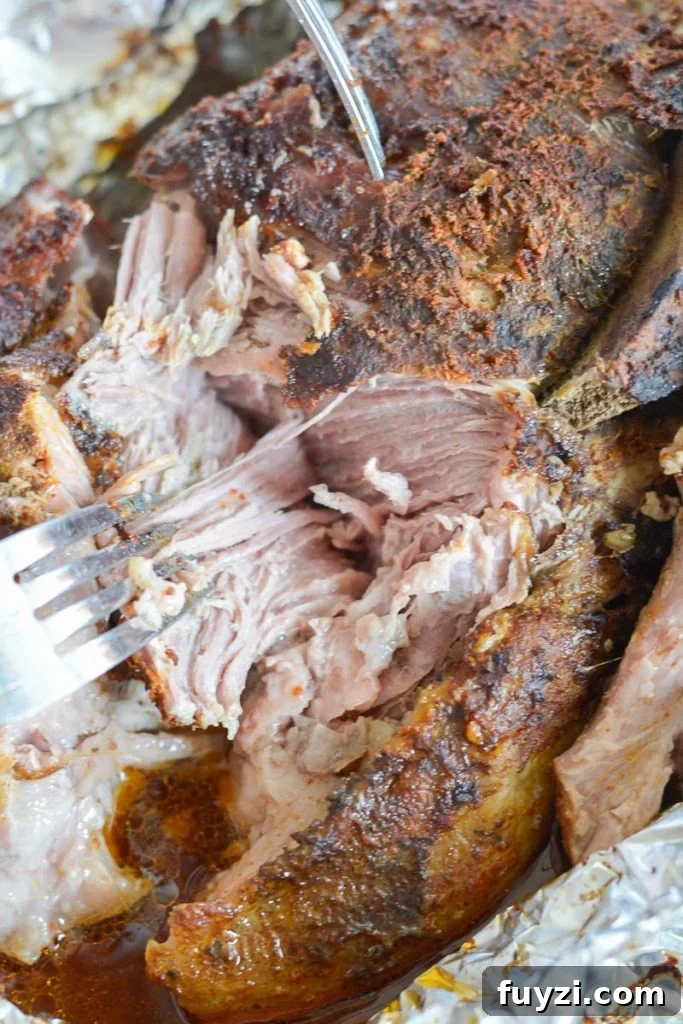
Tips for the BEST Keto BBQ
- After seasoning, let the meat rest for at least 15 minutes and up to 2 hours before cooking. This brief dry brine allows the salt to penetrate and enhances juiciness and flavor.
- Store the rub in a cool, dry, dark place to preserve freshness. If you prefer, keep it in an airtight container in the refrigerator. If moisture causes clumping, stir or shake to break it up before use.
- Make larger batches and divide the rub into jars for gifting. Small jars of seasoning are thoughtful presents for people who prefer low-carb cooking. Store jars labeled with the date and intended use (e.g., pork, chicken, vegetables).
- To change the flavor profile, add ground cumin for earthiness, a touch of dried oregano for herbal notes, or a teaspoon of ground mustard for brightness.
More Keto & Low Carb Recipes
- Thai Peanut Chicken Marinade
- Easy Sheet Pan Chicken Fajitas
- Keto Tuscan Chicken and Asparagus
- Greek Chicken Kabobs
- Keto Cinnamon Frappuccino
- Keto Chocolate Chip Cheesecake Bars
Homemade Keto BBQ Rub
This simple paleo, low-carb BBQ dry rub is made from pantry staples and pairs beautifully with pork, beef, chicken, seafood, and roasted vegetables.
- 1/4 cup brown sugar monk fruit
- 1/4 cup chili powder
- 2 tablespoons garlic powder
- 2 tablespoons onion powder
- 1 tablespoon + 1 teaspoon black pepper
- 1 tablespoon + 1 teaspoon salt
- 1 tablespoon smoked paprika
- Combine all spices in a small bowl.
- Mix thoroughly until evenly blended.
- Store in an airtight container for up to 6 months in a cool, dry place.
Yields about 1 cup; sufficient for 12–14 pounds of meat depending on application intensity. Adjust quantities as needed for larger batches.