
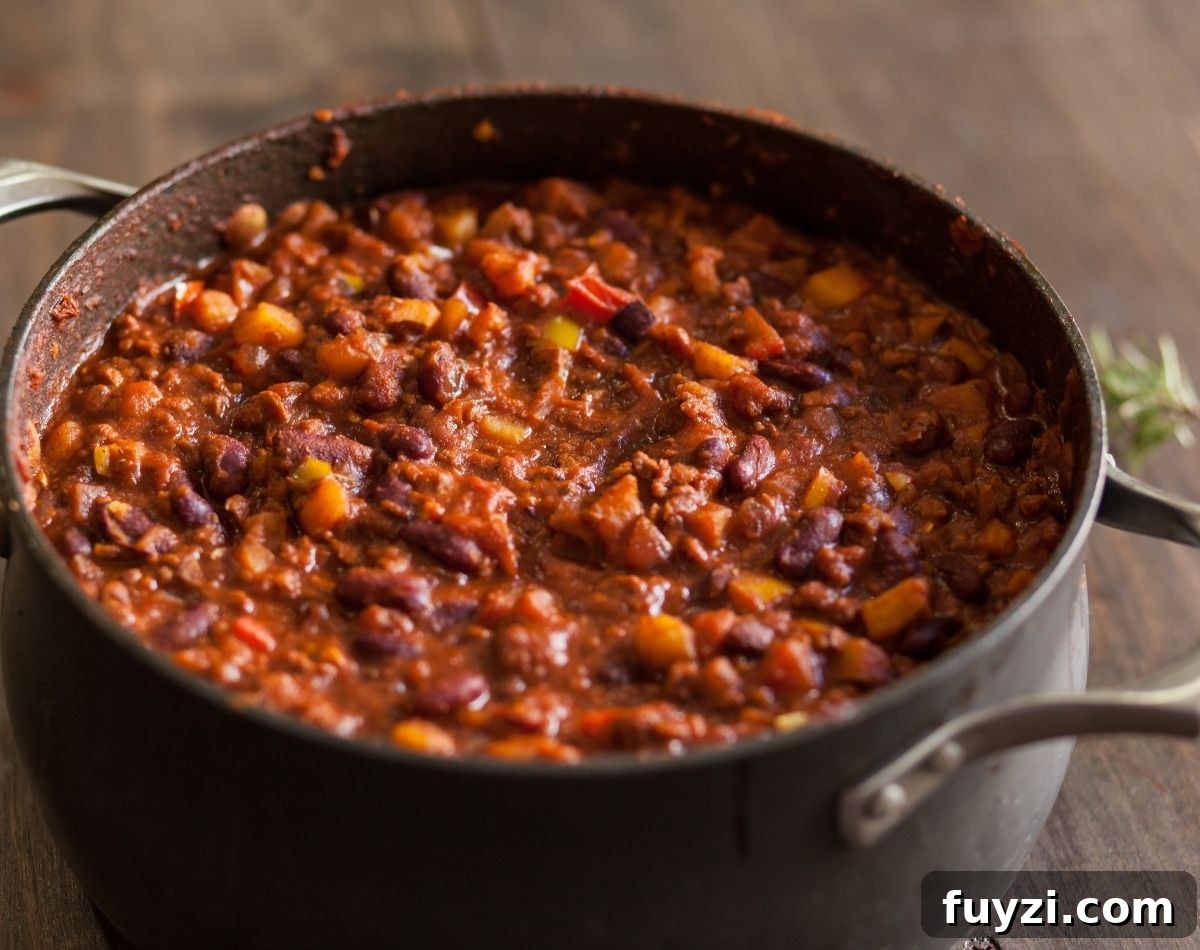
Learn how to thicken chili with this clear, practical guide. Thick, hearty chili is comforting on cold days, but sometimes a batch turns out thin and soupy. Don’t worry — there are several reliable techniques to fix a runny chili and turn it into a rich, satisfying meal.

Below are six dependable ways to thicken chili. Each method works on different types of chili — from vegetarian slow-cooker versions to meaty stews — so choose the one that best matches your ingredients and desired texture.
Most tips can be completed in under: 30 minutes
- Remove the lid
The simplest way to thicken chili is to simmer it uncovered. Leaving the lid on traps steam and keeps more liquid in the pot; removing the lid allows water to evaporate and the chili to concentrate. Keep the heat low and maintain a gentle simmer — increasing the heat to speed evaporation can cause scorching. Stir occasionally to prevent sticking and to help ingredients reduce evenly.

- Add beans
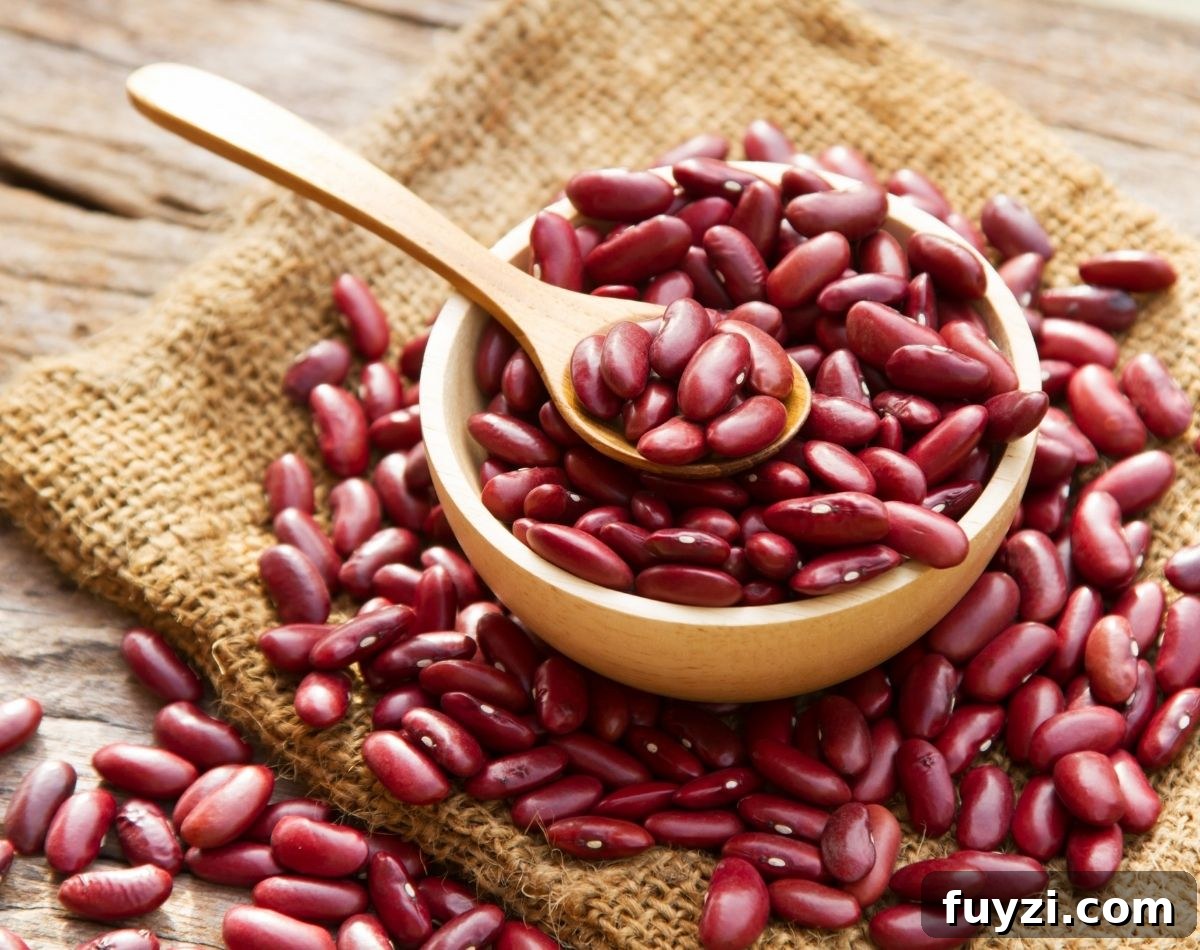
Beans are a classic way to add body to chili because they naturally thicken while contributing protein and fiber. Good choices include kidney beans, black beans, great northern, or red beans. Add a little at a time and taste as you go — you can always add more, but you can’t remove them. For extra thickening without a lot of whole beans, mash about 1/2 cup of beans and stir the mash into the pot; the mashed beans act like a natural starch to absorb liquid. Use canned or fully cooked beans — never add dried beans straight to the chili.
- Add tomato paste
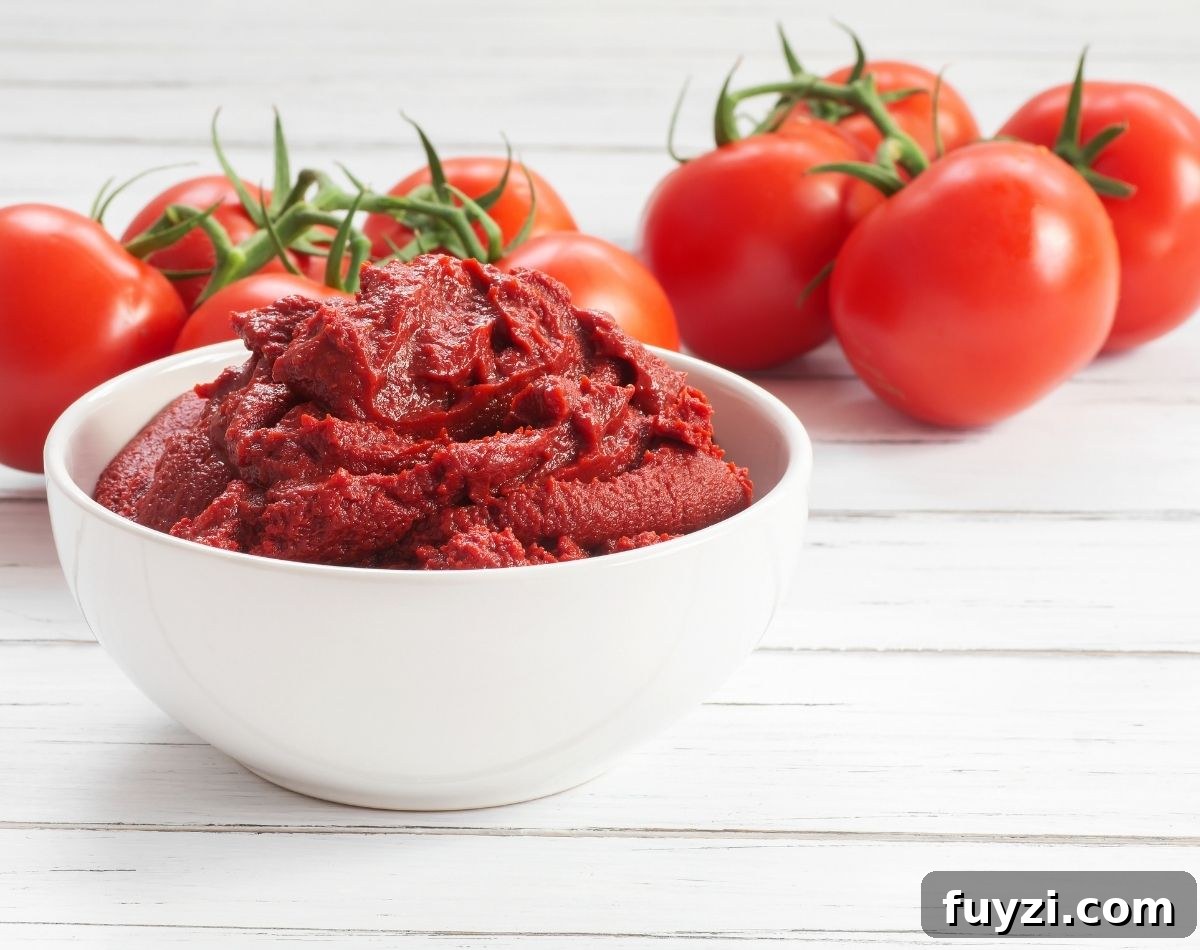
Tomato paste both thickens chili and deepens the tomato flavor. Add it gradually — stirring a small amount into the pot at a time helps it distribute evenly and prevents clumping. If the tomato paste increases acidity more than you like, balance it with a teaspoon or tablespoon of brown sugar until the flavor softens.
- Add extra vegetables
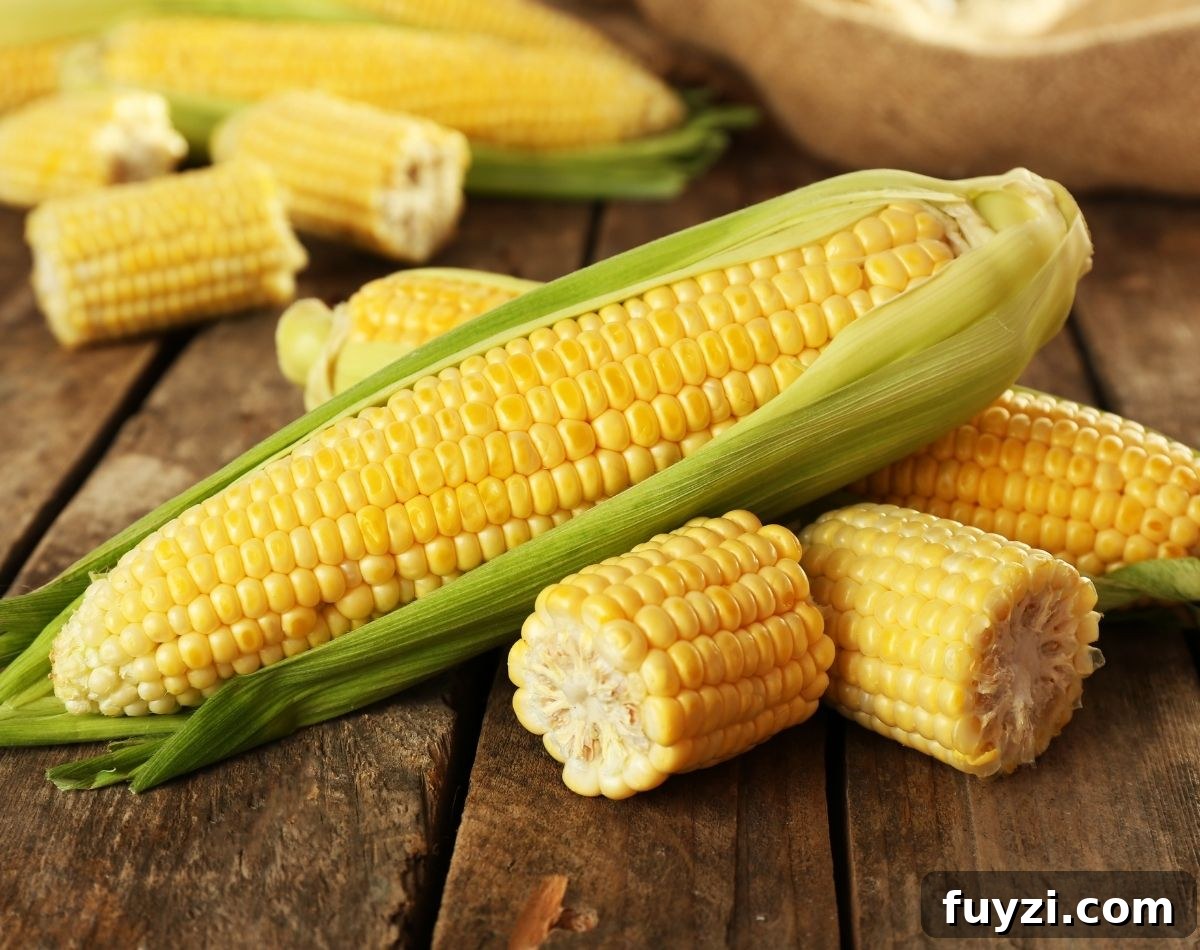
Adding vegetables will increase the bulk and heartiness of chili even if they don’t remove liquid directly. Corn, diced potatoes, extra tomatoes, bell peppers or other sturdy vegetables make the chili more substantial. Vegetables also absorb some broth as they cook, contributing to a thicker, more stew-like texture while adding flavor and nutrition.
- Use flour, cornstarch, cornmeal, or arrowroot
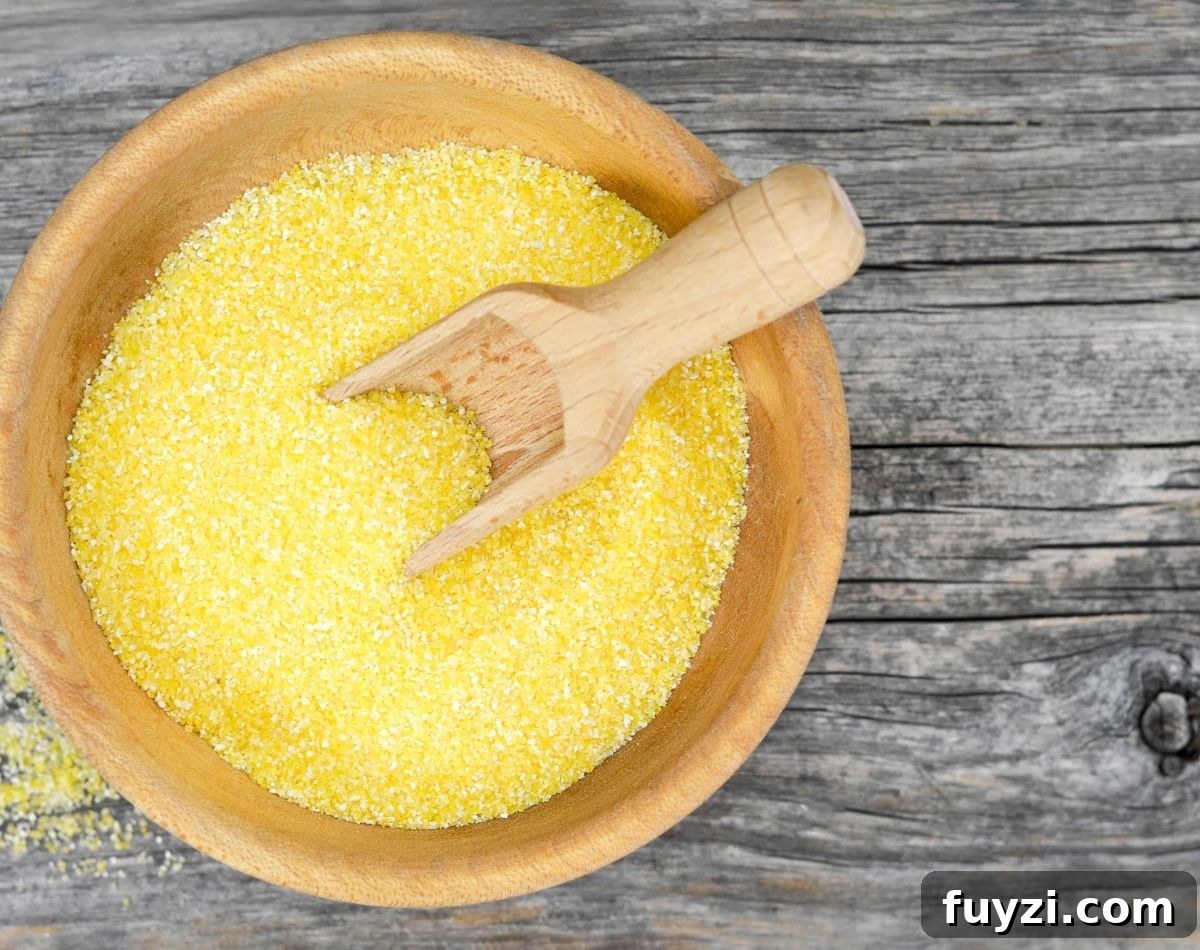
Starches are highly effective thickeners. For all-purpose flour, sprinkle a tablespoon at a time into the chili and stir until incorporated, repeating until you reach the desired thickness. For cornstarch, dissolve 2 tablespoons in cold water first, then add the slurry gradually to the hot chili; adding undiluted cornstarch will cause clumps. Cornmeal will thicken and add a slightly gritty texture and a cornbread-like flavor — add it sparingly if you prefer a smooth chili. Arrowroot is a neutral-flavored option: mix a small amount (for example, 1 teaspoon arrowroot with 1 teaspoon cold water) and stir it into the chili, allowing it to simmer until thickened. Always add starches gradually and give them a minute or two to work before adding more.
- Post-cooking additions
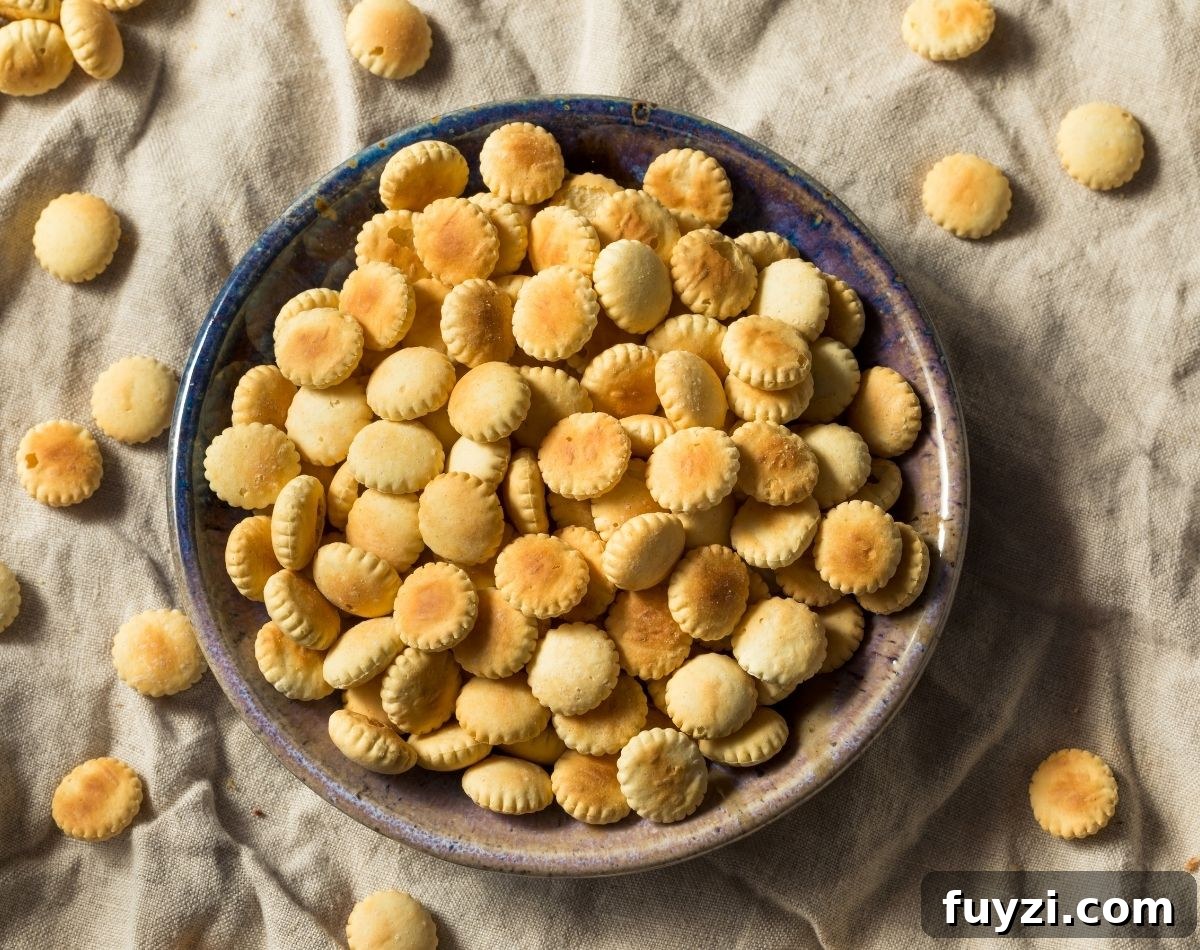
If the chili is already plated or you prefer not to alter the pot, use toppings to thicken each serving. Crumbled cornbread, grated cheese, oyster crackers, crushed saltines, or tortilla chips all absorb liquid and add texture. Crumbled cornbread is especially effective: it soaks up broth and blends into the bowl for a hearty mouthfeel. These finishing touches also let each diner adjust thickness and flavor to their liking.
Tips for best results: make changes gradually, taste as you go, and choose a method that complements your chili’s flavor profile. For example, mashed beans and tomato paste work well in classic beef or vegetarian chilis, while cornmeal or cornbread pairs nicely with Tex-Mex styles. With these approaches you can rescue a thin batch and enjoy a thick, comforting bowl every time.