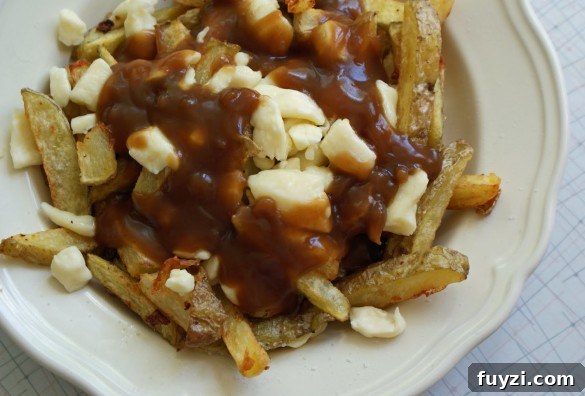
Poutine for Canada Day: A Simple, Delicious Guide
Yes, I am Canadian — and yes, I had poutine for breakfast. Three kinds, in fact. In the spirit of Canada Day, here is a clear, friendly guide to making poutine at home: how to choose curds, finish fries, and assemble variations that will impress friends and family.
First, a quick note about cheese curds. Authentic poutine needs cheese curds, not shredded mozzarella or any other substitute. Curds have a unique texture and the way they squeak and soften under hot sauce is part of what makes poutine special. You can usually find cheese curds at a good cheesemonger, specialty grocer, or local farm cheese seller. If your curds are very cold from the fridge, let them sit out briefly so they warm slightly—this helps them soften and melt just enough over hot fries.
Fries are the backbone of poutine, so treat them well. Whether you prefer hand-cut fries or a shortcut from the freezer, the goal is crisp, golden potatoes with a soft interior. A popular approach is to cook the fries until they are cooked through, then finish them at a higher temperature so they become crisp. Drain them briefly on paper towels, season with salt, and have them hot and ready before you begin plating. Timing matters: top the fries while they are steaming hot so the curds and sauce melt together into the classic poutine texture.
For the sauce, a rich brown gravy is traditional, but poutine is delicious with many kinds of toppings. A basic gravy can be made by sautéing aromatics, adding stock, and thickening with a roux or cornstarch slurry until glossy and seasoned to taste. From there you can take creative detours: mushroom and stout gravy for an earthy variation, pulled pork with barbecue sauce for a smoky version, or shredded smoked meat for a Montreal-inspired twist. You can also go Italian with marinara and shaved Parmesan, finish a poutine with a fried egg for brunch, or indulge in more luxurious toppings like foie gras if you wish.
Assembly is straightforward. Arrange a generous portion of hot fries on a plate or in a bowl, scatter the cheese curds evenly over the top, and pour the hot sauce or gravy so it reaches the curds and fries. The heat from the fries and sauce should soften the curds slightly without turning them into a uniform melt; a little texture is part of the experience. Serve immediately to enjoy the contrast of crisp fries, slightly melty curds, and savory sauce.
Here are a few practical tips to improve your poutine:
- Plate in batches: poutine is best fresh. Make enough for a few people at a time rather than letting it sit under heat for too long.
- Keep curds close at hand: have them at room temperature if possible so they soften quickly when sauced.
- Season fries after draining: a light sprinkle of salt immediately after frying or baking helps the seasoning stick.
- Experiment with gravies and toppings: gravy is the classic, but poutine welcomes creativity — from pulled pork and barbecue sauce to vegetarian mushroom gravies.
Poutine is both humble and indulgent, and part of the fun is tailoring it to the occasion. For a Canada Day meal, consider offering a few topping stations so guests can choose their own combinations: classic gravy, a meaty option, and a vegetarian gravy, for instance. This makes poutine communal, casual, and endlessly customizable.
One Year Ago: Waffled French Toast
At the Family Kitchen: Maple Bran Waffles