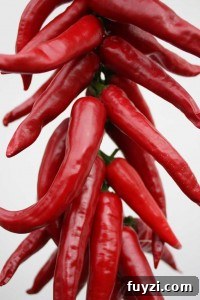
Ristras are strings or arrangements of chili pepper pods hung to air dry. Believed to have originated in South America, they began as a practical method for preserving surplus chilies for future use. Over time ristras have also become popular decorative accents in kitchens and porches, and in some regions they are regarded as symbols of hospitality or good fortune.
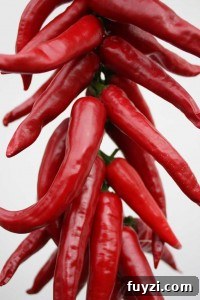
There are many ways to make a ristra, but the first step is choosing the right chilies. For reliable drying and an attractive finished look, select varieties with long, thinner pods such as Cayenne or similar chile types. Thicker, fleshier peppers — for example jalapeños — can be used, but they are more prone to rotting rather than drying. If you do use fleshy varieties, pick healthy, unblemished fruit and position the ristra in a warm, well-ventilated, sunny spot to speed drying and reduce the risk of spoilage.
Making a Dried Chili Pepper Ristra
This straightforward method is quick and effective for home drying. You will need:
- A good crop of fresh chilies
- A length of strong, thin cord such as fishing line or waxed twine
- A large sewing needle or skewer suitable for piercing stems
When harvesting chilies for a ristra, leave a short section of the green stem attached to each pod. That stem is what you will thread, and leaving it intact helps keep the peppers secure and spaced neatly along the line.
Begin by tying a firm knot at one end of your line to stop the peppers slipping off. Thread the needle onto the other end and pass it through the base of each pepper stem. For an even, attractive ristra, hold the needle upright and insert the stem at a slight angle — roughly 45 degrees — with the stem pointing up and the fruit angling downward. This helps the peppers sit tightly together and creates a fuller appearance.
Turn the peppers slightly as you add them to avoid gaps and to maintain a balanced shape. Continue until you reach your desired length, then tie off the end. Ristras can be made as single strands, bundled into short clusters, or braided with multiple lines for more decorative effect.
Hang the completed ristra in a bright, airy location with good air circulation. A sunny porch is ideal; indoors, a south-facing window or warm, ventilated room works well. Avoid closed, damp areas. As the chilies dry, their color typically deepens and the pods will become lighter and crisper. Check periodically and remove any pods that show signs of mold or softening — this prevents spoilage from spreading to the rest of the string.
Tips for Drying, Storing and Using Ristras
Drying time varies with pepper thickness and local climate; thin-fleshed varieties may dry in a couple of weeks in warm conditions, while thicker pods can take longer. If you live in a humid climate, provide extra airflow or consider finishing the drying process in a low-temperature oven set to under 120°C (250°F) for short periods, checking carefully to avoid cooking the peppers.
Once fully dry, ristras are both decorative and useful. You can leave them hanging as a rustic kitchen accent or remove individual pods for cooking. Dried chilies are excellent for grinding into flakes or powder, rehydrating in warm water for sauces, or simmering whole in soups and stews to add depth of flavor. To store harvested pods removed from a ristra, keep them in an airtight container in a cool, dark place to preserve flavor.
Variations include using colorful mixed varieties, alternating chili types for contrast, or adding garlic, dried herbs, or small decorative elements between peppers. Whatever style you choose, monitor the ristra during drying and be selective about which pods you include to ensure a long-lasting, attractive result.