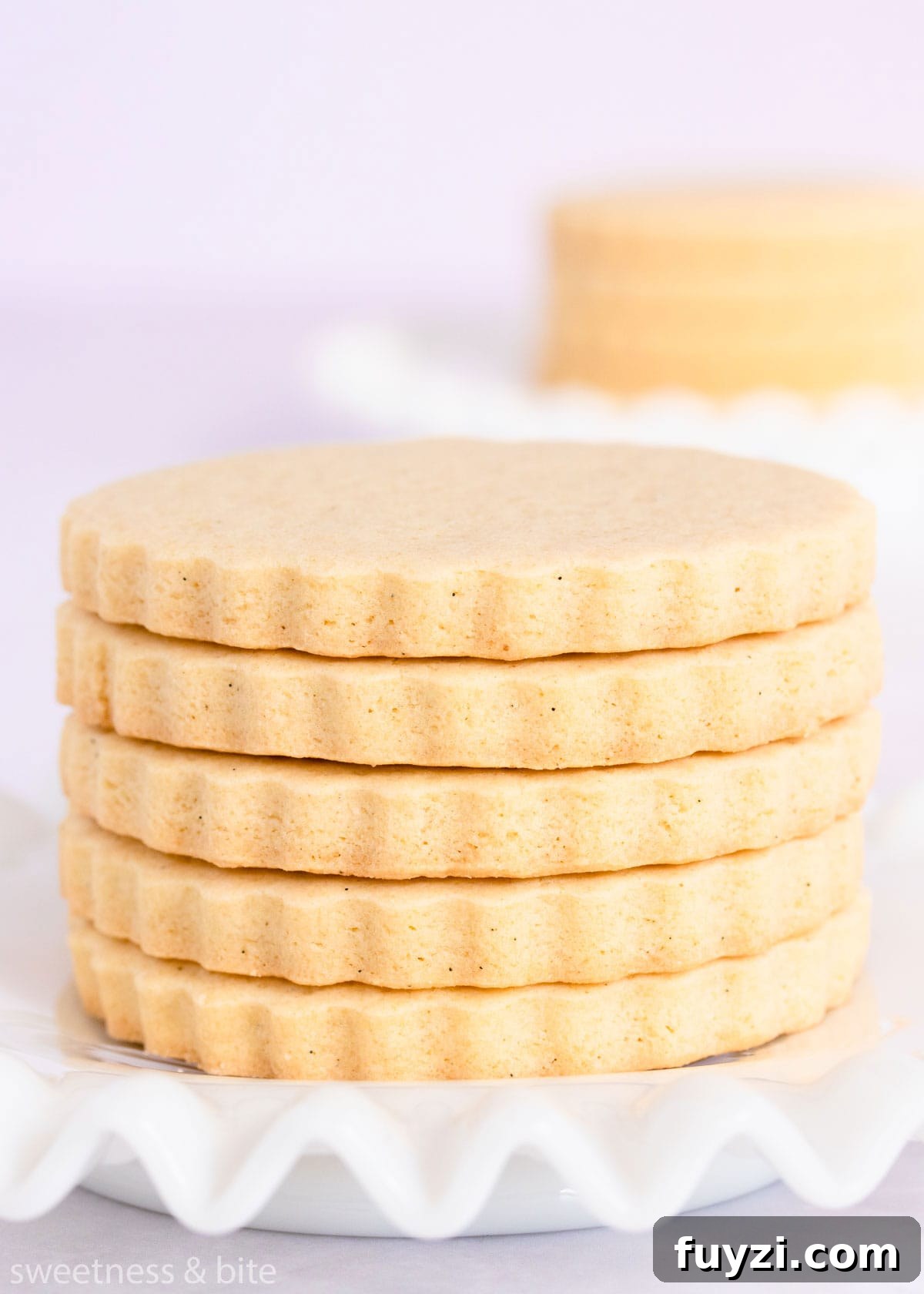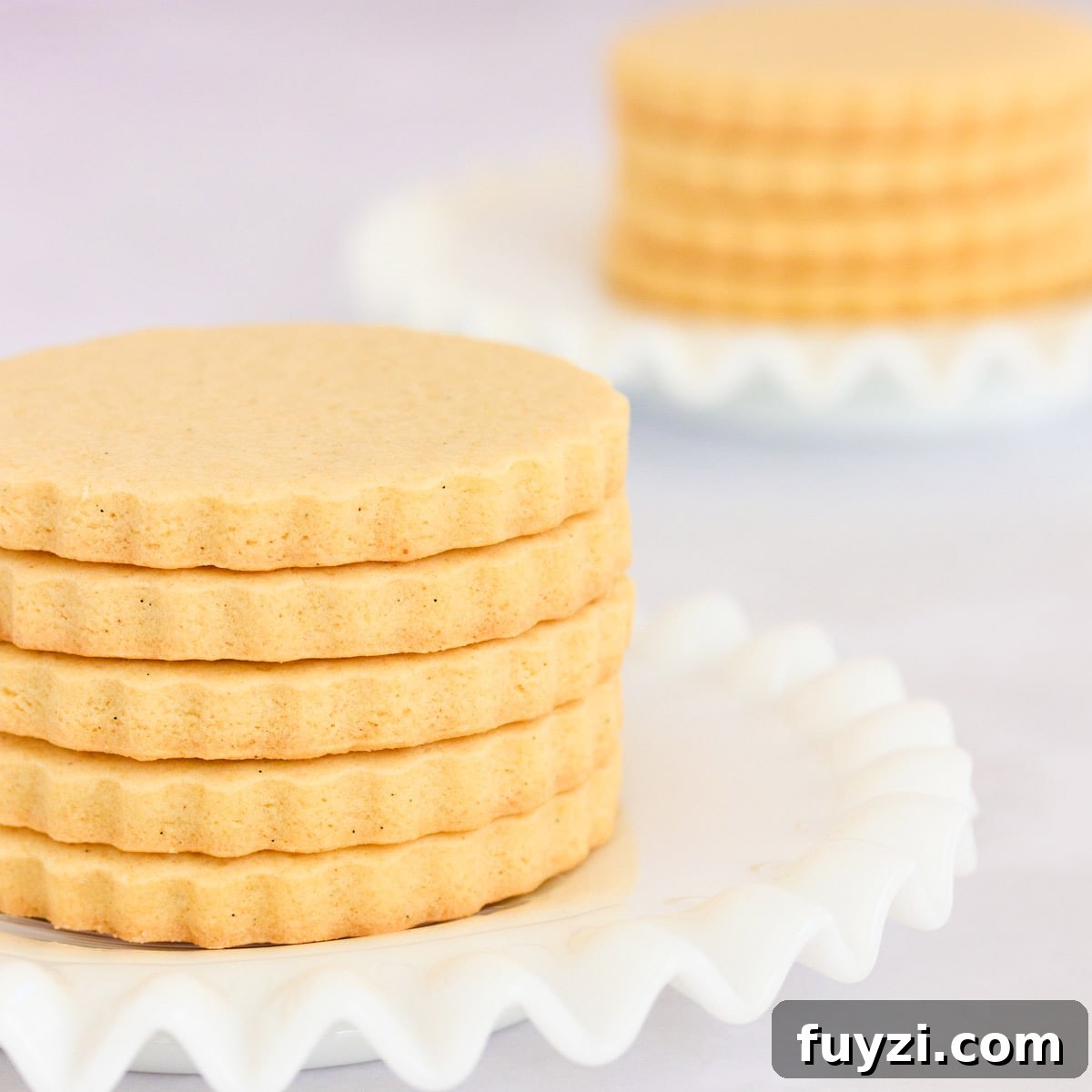
These gluten free sugar cookies are crisp at the edges with a tender centre and a rich buttery vanilla flavour. They bake without spreading, so they keep their shape and develop smooth, flat tops that are ideal for decorating. This recipe is perfect for holiday cut-out cookies, special occasions, or any time you want a reliable gluten free vanilla cookie.
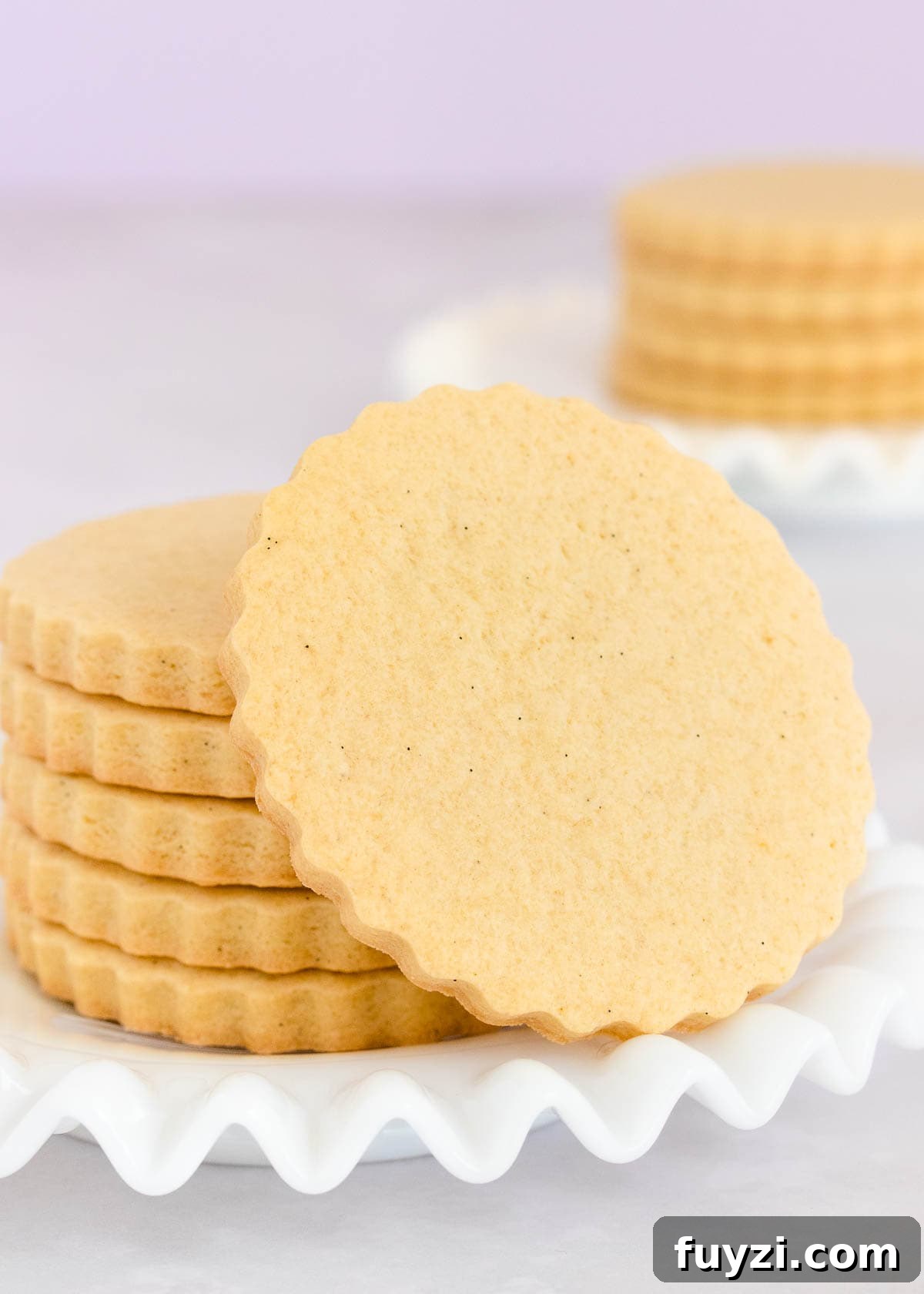
A good gluten free vanilla cookie recipe is a must for anyone baking without gluten. I tested multiple variations to arrive at a dough that is sturdy enough to cut and decorate, yet still bakes up crisp and flavourful. Below I explain the key ingredients, step-by-step process, tips for rolling and baking, decorating ideas, storage and freezing instructions, plus a printable-style recipe card at the end.
Why this recipe works
- Buttery, vanilla-forward flavour that tastes like a classic sugar cookie.
- Crisp edges with a slightly softer centre for a pleasant bite.
- Smooth, flat tops that make decorating with royal icing or fondant effortless.
- Minimal spreading, so shapes remain precise after baking.
- Simple ingredients and adaptable dough that can be frozen or rolled and stamped.
Ingredient Notes
- Gluten free flour: Use a quality gluten-free all-purpose blend. Different blends vary in starch and binding agents and will change the dough’s absorbency and texture, so you may need to adjust the flour amount if you use a different blend than the one tested with this recipe.
- Baking powder: Optional. Leave it out for even flatter cookies. If you use it, verify it is gluten free.
- Xanthan gum: Adds structure and prevents crumbly cookies. If your packaged flour blend already contains a gum, omit this ingredient.
- Butter: Salted or unsalted works; add a pinch of salt if using unsalted butter.
- Sugar: Superfine or caster sugar produces a smoother dough and texture, but regular granulated sugar may be used if necessary.
- Vanilla: Use a good-quality vanilla extract or vanilla bean paste for best flavour. You can substitute or add a splash of another extract like almond for variation.
- Lemon juice: A small amount of lemon juice is used to gently acidify the dough and reduce spreading; it will not make the cookies taste lemony.
- Egg: Use a large egg at room temperature for proper binding and texture.
How to make the dough
For best results, have room-temperature butter and egg. If you forget to plan ahead, soften the butter briefly in the microwave on low power and warm eggs by placing them, in their shells, in a bowl of hot tap water for a few minutes.
Cream the butter and sugar until combined but avoid whipping in too much air—excess aeration can increase cookie spread. Add the egg, vanilla and a small splash of lemon juice, mixing just until combined. Combine the dry ingredients (gluten free flour, xanthan gum if needed, and optional baking powder) and fold them into the wet mixture using a spoon or spatula. If you use a stand mixer, finish by stirring by hand to ensure nothing is stuck at the bottom of the bowl.
Depending on your flour blend and butter temperature, the dough might be ready to roll straight away or may benefit from chilling for 10–15 minutes. Chilling also makes the dough easier to handle and improves cut shapes.
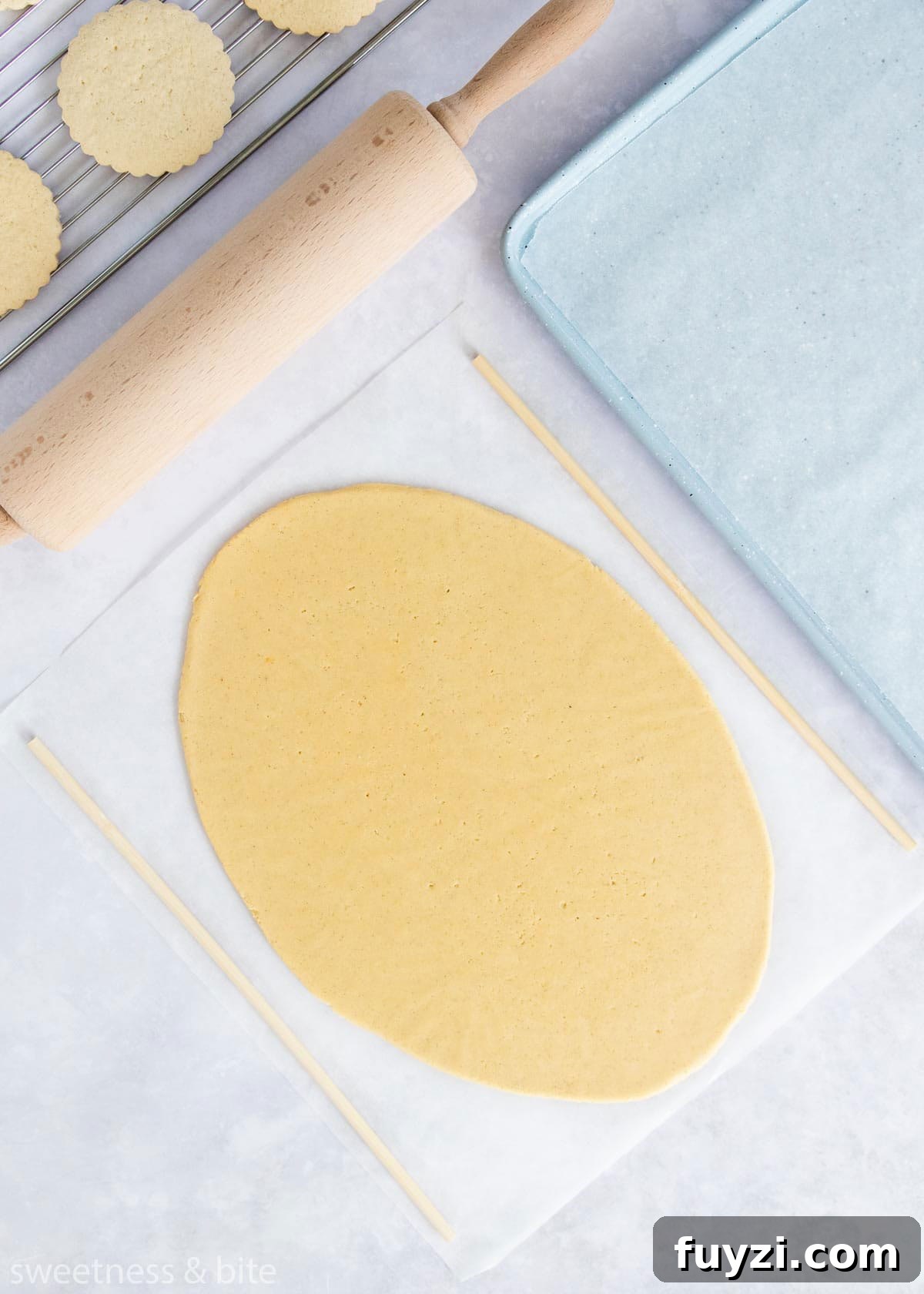
Roll the dough on parchment or a silicone mat to about 5mm thick. Using parchment prevents the dough from sticking and avoids adding excess flour, which can dry the cookies. If the dough sticks to your rolling pin, dust lightly with gluten free flour or chill a little longer. Many bakers use two thin dowels or a spacer-equipped rolling pin to ensure consistent thickness.
After rolling, place another sheet of parchment over the dough and chill on a tray until firm. Cut shapes from the chilled dough and transfer them to a baking sheet lined with parchment, spacing about an inch apart. If shapes soften while cutting, chill them briefly before baking so they keep their edges.
Baking tips
Bake the cookies until they are just golden around the edges and lightly golden on the underside. This gives the right texture: crunchy edges and a slightly softer centre. Baking time will vary by size and thickness—use the guide below and check the first tray early to fine-tune your oven and timing.
- Small cookies: about 12 minutes
- Medium cookies: about 14 minutes
- Large cookies: about 16 minutes
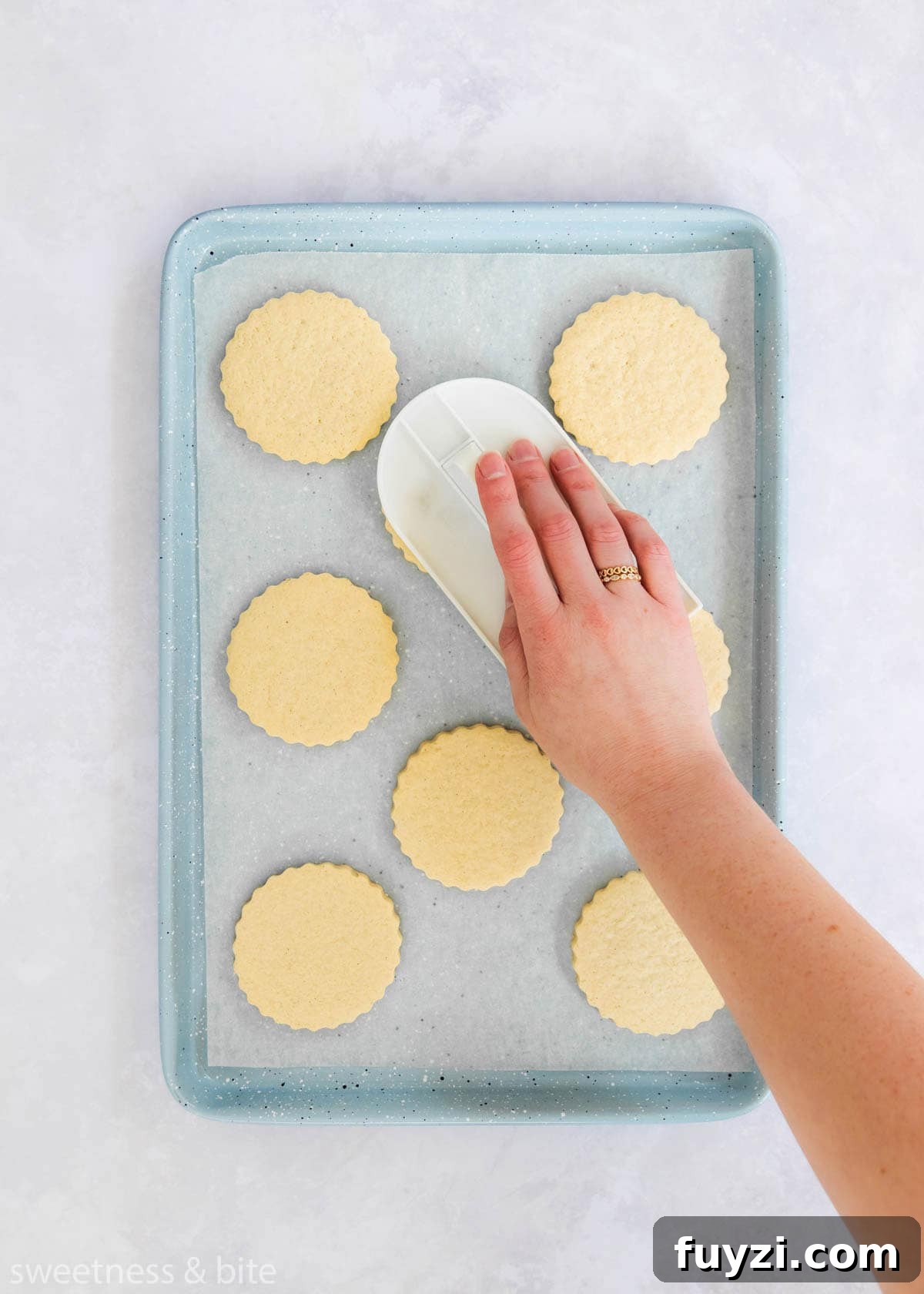
Optional tip for perfectly flat tops: as soon as cookies come out of the oven, gently press the tops with a fondant smoother in a light circular motion to remove small lumps or air bubbles.
Decorating ideas
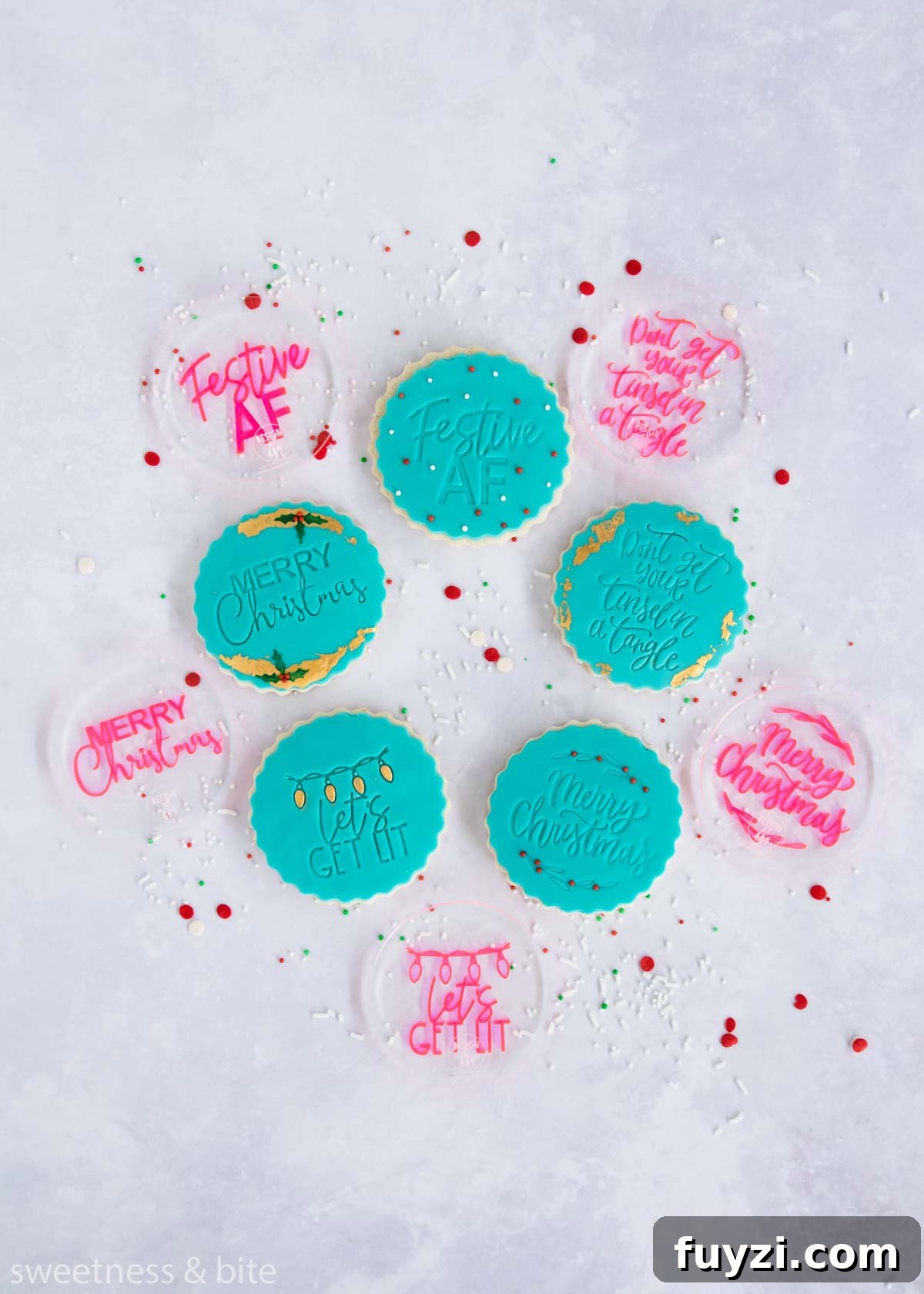
These cookies are sturdy and suitable for many decorating techniques. Flood with royal icing, top with gluten free fondant, stamp or emboss the dough before cutting, or paint with edible colours after baking. The flat, smooth tops make them ideal for detailed decoration and for creating matching fondant shapes.
Storage
Store plain cookies in an airtight container at room temperature. Once royal icing or fondant is fully dry, store decorated cookies in an airtight container or individually bagged; they keep well for 2–3 weeks when sealed.
Freezing the dough
The dough freezes well. Form the dough into flat discs or rectangles about 1 inch thick, wrap tightly and place in an airtight container or resealable bag. Thaw in the refrigerator until soft enough to roll, then proceed as usual.
To freeze cut shapes, place them on a tray until firm, then layer between parchment in an airtight container. Bake from frozen, adding 2–5 minutes to the baking time.
The dough will keep frozen for up to three months and refrigerated for up to a week.
More gluten free cookie ideas
- Gluten free chocolate cookies — a chocolate variation that also works well for decorating.
- Gluten free gingerbread cookies — spiced cookies that are great for cut-outs and festive shapes.
Happy baking!
Gluten Free Sugar Cookies — Recipe
Makes: 22 medium-sized cookies | Prep time: 15 minutes | Chilling time: 30 minutes | Cook time: 12–16 minutes | Total time: 59 minutes
Ingredients
- 325 g gluten free all-purpose flour blend (see notes)
- 1 teaspoon xanthan gum (omit if your flour blend already contains a gum)
- 1/4 teaspoon baking powder (optional; omit for flatter cookies)
- 125 g butter, at room temperature
- 150 g caster (superfine) sugar
- 2 teaspoons vanilla extract or vanilla bean paste
- 1 1/2 teaspoons lemon juice (optional, helps prevent spreading)
- 1 large egg, at room temperature
Instructions
- Sift together the gluten free flour, xanthan gum and baking powder. Stir to combine and set aside.
- Beat the butter, sugar, vanilla and lemon juice until combined and creamy. Do not overbeat – too much air will increase spreading.
- Beat in the egg until combined.
- With the mixer on low, gradually add the flour mixture and mix until combined. If using a handheld mixer, fold in the dry ingredients by hand. Finish by stirring the dough by hand to ensure everything is incorporated.
- If the dough is soft, chill in the refrigerator for 10–15 minutes until firm enough to roll.
- Roll the dough on parchment to about 5mm thickness. If the dough sticks, dust lightly with gluten free flour or chill a little longer. Place another sheet of parchment on top and refrigerate the rolled dough until firm.
- Preheat the oven to 160°C (320°F). Line baking sheets with parchment paper.
- Flip the chilled dough, peel off the backing parchment, then flip back and remove the top sheet. Cut shapes and transfer to the prepared baking sheets about 1 inch apart. Chill shapes briefly if they have softened.
- Bake 12–16 minutes depending on size: small 12 min, medium 14 min, large 16 min. Cookies should be lightly golden underneath and just beginning to brown at the edges.
- Allow cookies to cool on the tray for a few minutes, then transfer to a wire rack to cool completely.
- Store in an airtight container or decorate as desired. They will keep at least a week when stored properly.
Notes
- Flour: Use a reliable gluten-free blend. Different blends absorb liquid differently; you may need to adjust the flour amount if your blend behaves differently.
- Xanthan gum: Omit if your store-bought blend already contains a gum.
- Lemon juice: Helps reduce spread but does not impart a lemon flavour.
- Rolling: Use two 5mm dowels or a spacer-equipped rolling pin for even thickness.
- Extra flat tops: Press gently with a fondant smoother after baking while cookies are still warm.
Nutrition (per serving: 2 cookies)
Calories: 186 kcal | Carbohydrates: 23 g | Protein: 2 g | Fat: 10 g | Saturated fat: 6 g | Sugar: 14 g | Sodium: 91 mg
If you try these cookies, tag @sweetness.and.bite on Instagram and use the hashtag #sweetnessandbite so others can see your results.