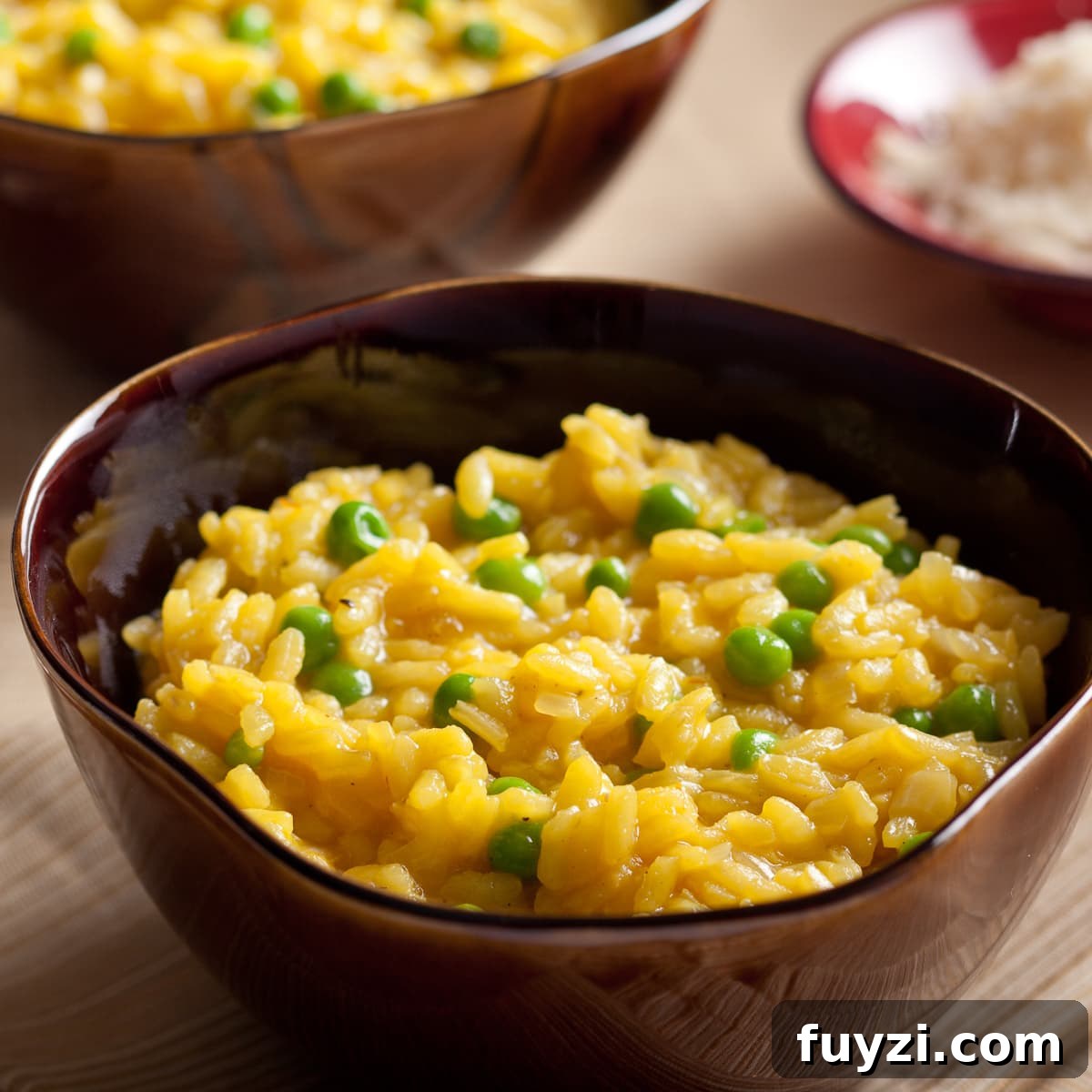
Making saffron risotto is like therapy in a pan. Slowly stir hot broth infused with saffron into Italian short-grain rice until the grains are tender and luxuriously creamy. A splash of white wine brightens the pan, a sip for you, a splash for the dish. This classic Italian risotto—my favorite, with peas added for sweetness—uses simple pantry ingredients and works perfectly as a main or a side. Top it with seared scallops, shrimp, chicken, sausage, or roasted vegetables. It requires a bit of patience, but the first bite rewards the effort.
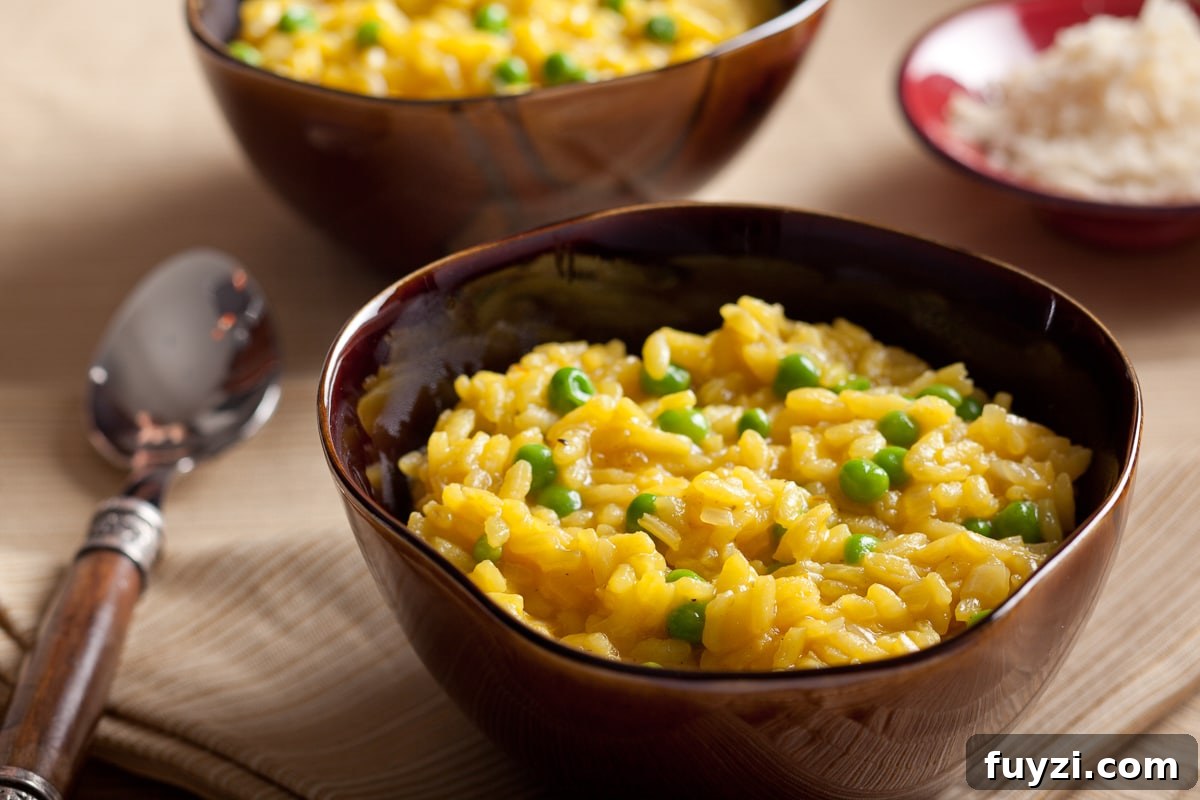
This risotto recipe is one I have made for decades. Once you learn the basics, you can create many variations. If I had to choose a last meal, it might be Risotto alla Milanese with lobster and a glass of Champagne, but this simpler saffron risotto with peas is what I cook regularly through fall and winter.
Why You’ll Love Saffron Risotto
- Risotto elevates rice into a rich, comforting dish.
- It offers a creamy, satisfying texture unique to the method.
- Most ingredients are pantry staples or easy to keep on hand.
- It adapts well to many variations and toppings.
- Add protein—shrimp, scallops, chicken, or sausage—to make it a complete meal.
Recipe Ingredients
This ingredient list reflects the Milanese style, Risotto alla Milanese, celebrated for its golden color and delicate saffron flavor.
- Chicken broth: Homemade is best, but a good-quality low-sodium store-bought broth works. Keep it warm on the stove while cooking.
- Saffron: A few threads release both color and aroma. Crush lightly and steep in the hot broth to extract its flavor.
- Olive oil: A good extra-virgin olive oil makes a flavorful base.
- Onion: Finely chopped onion forms the soffritto, the savory foundation for the risotto. Use yellow, brown, or white onion.
- Garlic: One fresh clove, finely chopped, adds depth when cooked briefly with the onion.
- Rice: Use Italian superfino rice such as Carnaroli or Arborio for the right starch content and creamy texture.
- White wine: Dry white wine—Sauvignon Blanc or Chardonnay—adds brightness. It’s optional but recommended.
- Peas: Frozen petite peas work well; use fresh blanched peas in season. Optional, but they add color and sweetness.
- Parmesan cheese: Freshly grated Parmigiano-Reggiano enriches the risotto at the finish if you include dairy.
Refer to the recipe card below for precise measurements and servings.
Chef’s Tip: Good broth is the backbone of great risotto. If you haven’t made homemade broth before, try a long-simmered chicken broth or a pressure-cooker version and freeze portions for quick use.
Substitutions and Variations
Risotto is highly versatile. Here are a few ideas to change the flavor profile:
- Replace peas with thinly sliced, cooked asparagus for a spring variation.
- Add crisp crumbled bacon for a savory contrast.
- Fold in chopped oil-packed sun-dried tomatoes for tang and color.
- Stir finely chopped fennel into the soffritto for a subtle anise note.
- Include sautéed mushrooms for a deep, earthy risotto.
- Add diced cooked chicken or ham for a more substantial main.
- If you avoid cooking with wine, skip it and proceed with the broth; the dish remains delicious.
- Top with spicy pan-seared shrimp or seared scallops for a restaurant-style presentation.
Recipe Instructions
Risotto is straightforward once you prepare the mise en place. Have the chopped aromatics, warmed broth, rice, and wine within reach before you begin.
Step 1 — Prep: Chop the onion and garlic. Heat the broth and add the crushed saffron so the color and aroma infuse the liquid. Keep the broth at a gentle simmer.
Step 2 — Sauté: In a medium pan, warm the olive oil over medium heat. Add the onion and cook until soft and translucent, stirring frequently. Add the garlic and cook another minute, watching so it doesn’t brown.
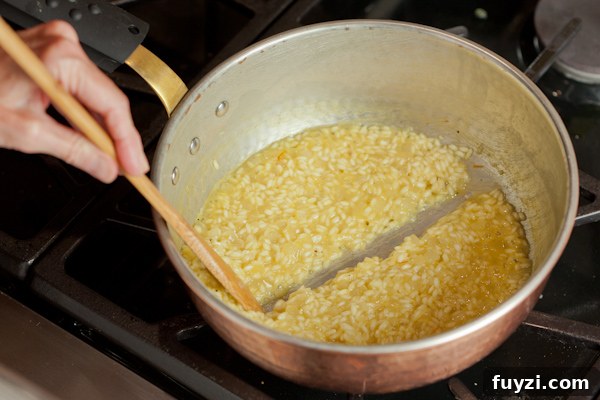
Step 3 — Toast the rice and deglaze: Stir in the rice and cook 1–2 minutes so each grain is coated. Pour in the wine and cook until it has mostly evaporated. Season lightly with salt.
Step 4 — Add broth gradually: Add the hot saffron-infused broth a ladleful (about 1/4 cup) at a time, stirring gently and allowing the liquid to be absorbed before adding more. Add broth again when you can draw the spoon across the rice and a slight trough remains. Continue this process for about 20–25 minutes until the rice is tender but still has a slight bite (al dente) and the texture is creamy.
Near the end of cooking, stir in the peas and finish cooking until heated through. Taste and adjust seasoning. If using, stir in grated Parmesan for extra richness. Serve immediately in warmed shallow bowls.
The Best Pan for Risotto
A saucier pan with gently sloped sides is ideal because it makes stirring and incorporating broth easier. If you don’t have one, use a medium-wide pan and be sure to stir into the outer edges frequently so grains don’t stick. Use a wooden spoon to treat the rice gently.
Serving Suggestions
Serve risotto in low, wide bowls to showcase the creamy texture. Keep bowls warm in a low oven if you need to hold servings briefly. Garnish with extra grated Parmesan, a drizzle of olive oil, and freshly ground black pepper.
Recipe FAQs
Risotto is a specific Italian preparation using short- to medium-grain superfino rice varieties—Arborio, Carnaroli, or Vialone Nano—that release starch during cooking. That starch, along with gradual addition of hot broth and constant stirring, produces risotto’s characteristic creamy texture.
Traditional risotto requires high-starch Italian rice. Long-grain rice won’t produce the same creamy texture, so it’s best to use Arborio or Carnaroli for authentic results.
Do not rinse risotto rice because you want to preserve its surface starch, which helps create the dish’s creamy consistency.
More Recipes
If you enjoy rice dishes, try variations like chicken and rice soup, cheesy cauliflower rice for a lower-carb option, or pork chops served with a rice side. These pair well with the same techniques used for this risotto.
-
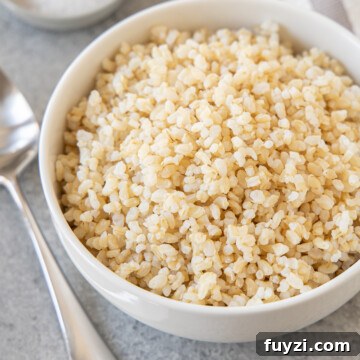
Easy Instant Pot Chicken Rice Soup
-
How to Cook Rice Like Pasta to Reduce Arsenic
-
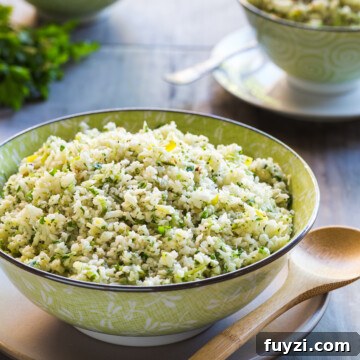
Cheesy Cauliflower Rice
-
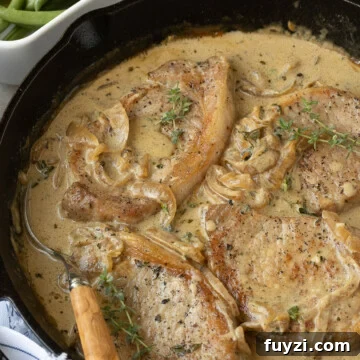
Sour Cream Pork Chops
⭐️Did You Make This Recipe?
If you try this saffron risotto, please leave a comment and let us know how it turned out. Ratings and feedback help other cooks decide to try the recipe.
📖 Recipe
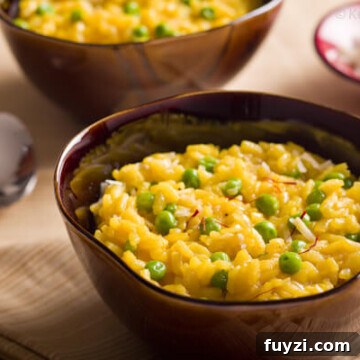
Saffron Risotto
Sally Cameron
Equipment
-
3 quart pan, preferably a saucier with sloped sides
Ingredients
- 2 1/2 cups broth (chicken, vegetable, or another flavorful stock), preferably homemade and kept hot
- 1/8 to 1/4 teaspoon saffron threads, crushed
- 2 tablespoons olive oil
- 1/2 cup finely chopped onion (about 1/2 small onion)
- 1 large garlic clove, finely chopped
- 1/2 cup Carnaroli or Arborio rice
- 1/3 cup dry white wine (optional)
- 1/3 cup frozen petite peas, thawed (optional)
- 1/3 cup grated Parmigiano-Reggiano (optional)
- Salt and freshly ground black pepper, to taste
Instructions
- Combine the broth and crushed saffron in a small saucepan and bring to a gentle simmer so the saffron releases its color and aroma.
- In a medium pan over medium heat, warm the olive oil. Add the onion and cook, stirring, until soft and translucent. Add the garlic and cook another 60 seconds, reducing heat if needed to prevent browning.
- Add the rice and stir 1–2 minutes to coat each grain in oil. Pour in the wine and cook until it has mostly evaporated. Season lightly with salt.
- Begin adding the hot saffron broth a ladleful (about 1/4 cup) at a time. Stir gently and allow the liquid to be absorbed before adding more. Add broth when you can draw a spoon across the rice and a slight trough remains. Continue this process until the rice is creamy and cooked al dente, about 20–25 minutes.
- When most of the broth is incorporated, stir in the peas and finish cooking until tender. Taste and adjust seasoning with salt and pepper. Stir in grated Parmesan if using, then serve immediately in warmed bowls.
Notes
Pan choice: A saucier with sloped sides helps you stir and incorporate broth more easily, preventing rice from sticking. If you don’t have one, use a medium-wide pan and stir into the edges frequently.
Variations: If you prefer no peas, use blanched asparagus or make a vegetarian/vegan version with vegetable broth and omit the cheese.
Nutrition
Calories: 565 kcal • Carbohydrates: 69 g • Protein: 20 g • Fat: 21 g • Saturated Fat: 5 g • Sodium: 380 mg • Fiber: 4 g
Let us know how it was with a comment and a star rating.