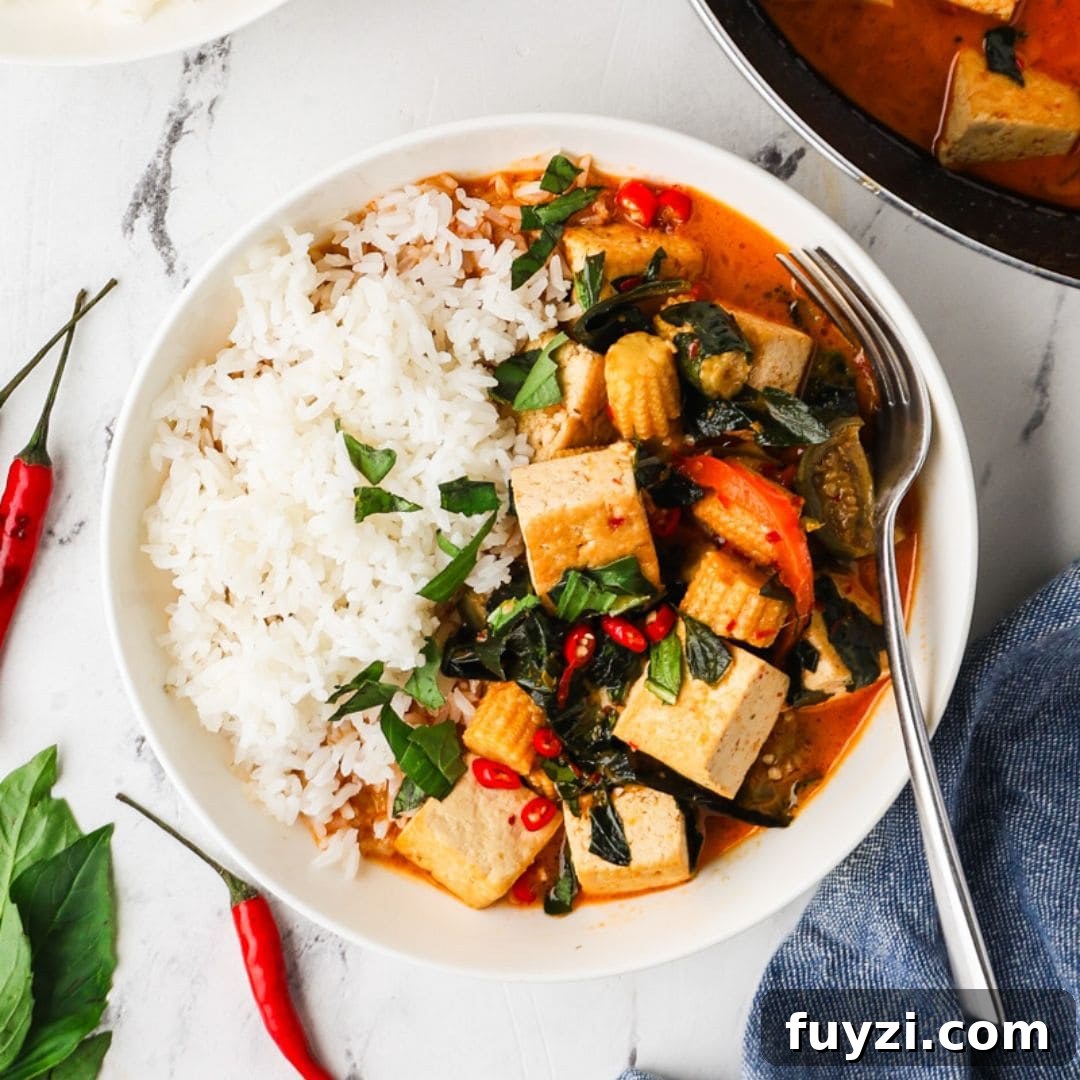
My vegetarian Thai red curry builds deep, layered flavor by blooming the curry paste in the thick coconut cream until the oil separates and pools at the edges. This vegan, gluten-free curry features two protein anchors—pan-fried tofu and Thai eggplant that soaks up the sauce—and comes together in about an hour with store-bought paste, a bit longer if you make the paste yourself.
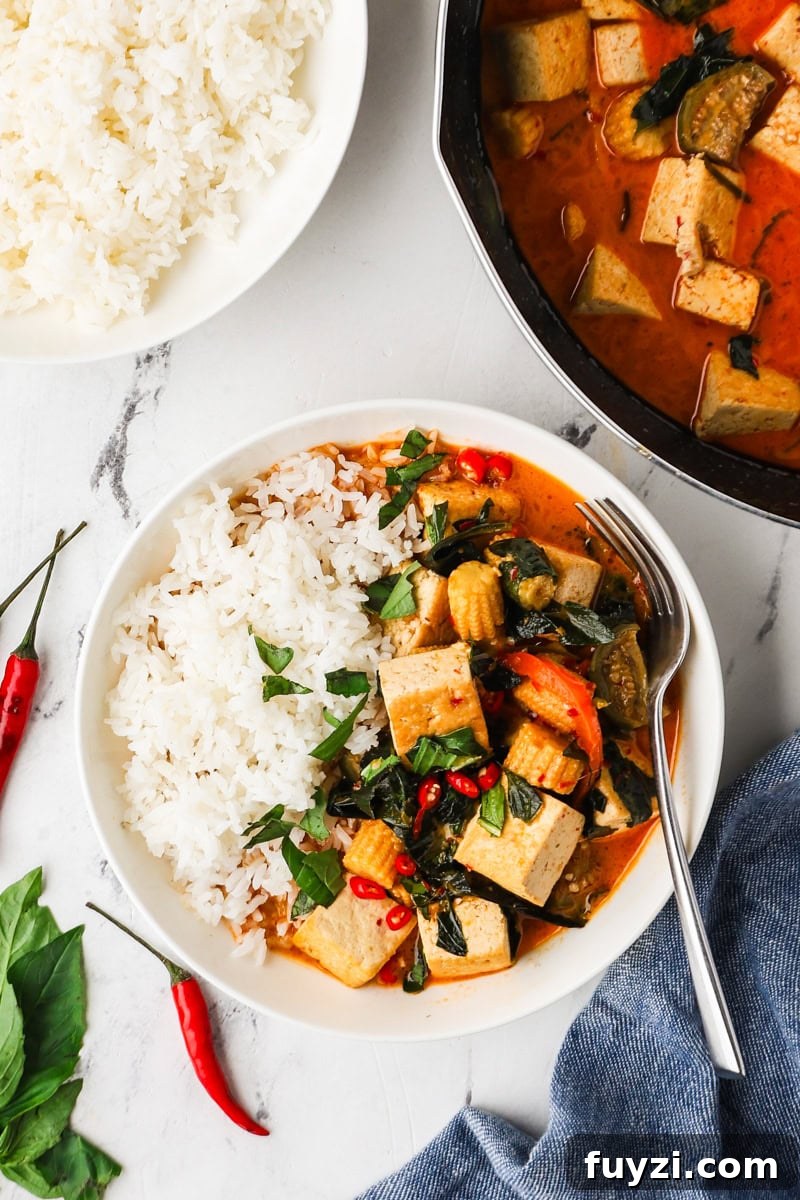
I learned this red curry recipe at a cooking class in Thailand

On a cooking class in Koh Samui I learned to separate the thick coconut cream from the thinner coconut milk and to fry the paste in the cream until the oil separates. I scoop the thick cream from the top of unshaken cans and fry the paste in it until a glossy orange-red oil beads around the edges. That separation—often called the bloom—is the turning point: it signals the paste is fully cooked and aromatic. When I skip or rush this step the finished curry often tastes flat, no matter how long it simmers.
This recipe works very well with store-bought paste—Mekhala is a good vegan option—but for a more authentic, fermented depth I sometimes use a homemade red curry paste that swaps white miso for shrimp paste. Making paste is a weekend project, but it’s worth it if you want a richer, more complex curry; the extra makes freeze well for future batches.
An Asian grocery trip will usually supply the extras: galangal, makrut lime leaves, Thai eggplant, Thai basil, and vegetarian fish sauce. Many larger supermarkets also carry Thai basil, lemongrass, and makrut lime leaves.

Key ingredients and why they matter
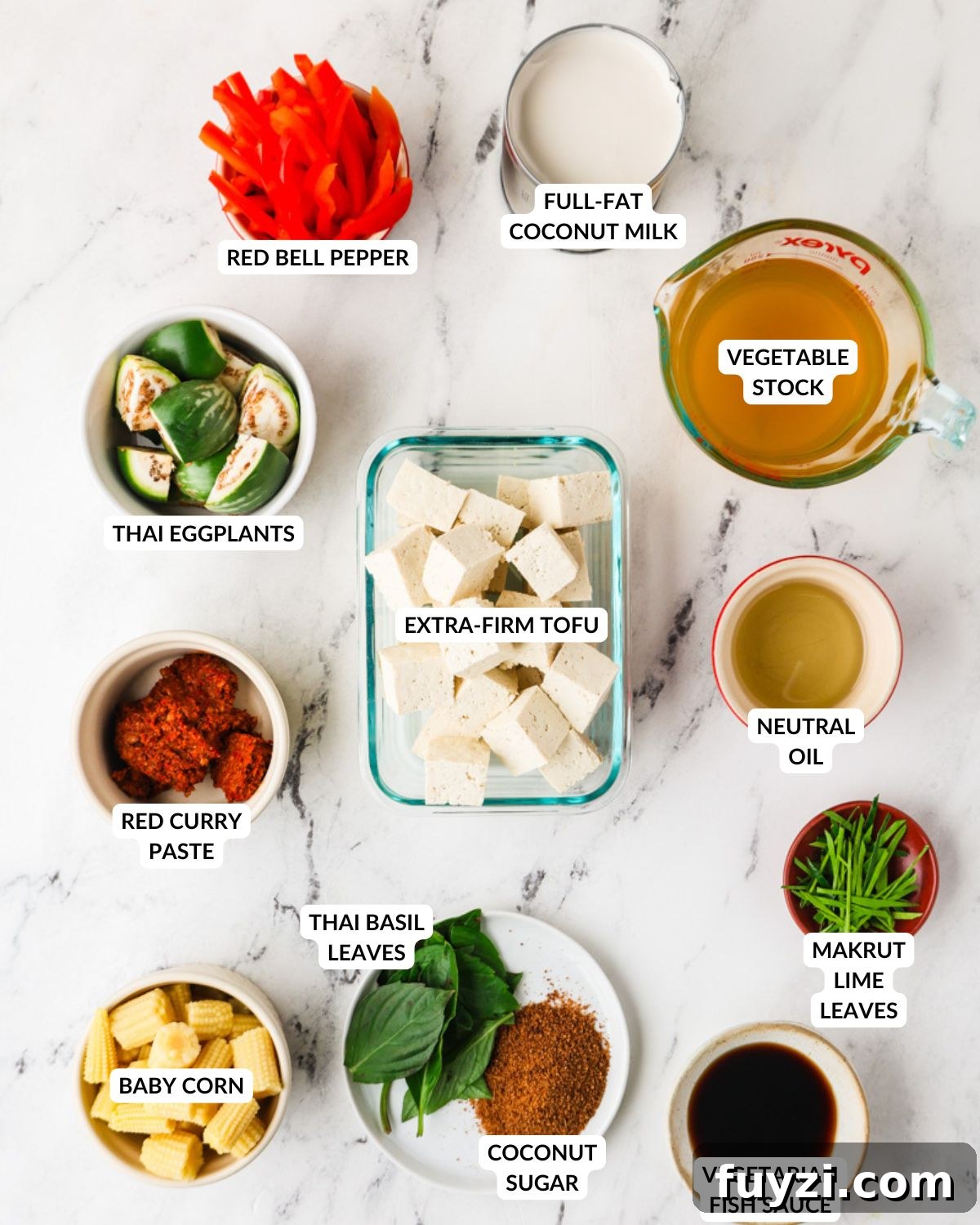
Full ingredient list and detailed instructions are in the recipe card below.
- Red curry paste. A quality, vegan red curry paste gives the dish its backbone. Mekhala is my go-to; use homemade paste for extra depth.
- Full-fat coconut milk, unshaken. You need two cans: fry the thick cream that rises to the top, then add the thinner milk later to finish the sauce.
- Extra-firm tofu. Pressed, cubed and pan-fried until golden. The crisp exterior helps the tofu hold together during simmering.
- Thai eggplant. The small, green-striped variety soaks up the sauce. Quarter just before cooking to avoid browning. Japanese eggplant cut into 1-inch pieces is a good substitute.
- Makrut lime leaves. Remove the central rib and slice thinly; they add citrusy, floral top notes.
- Vegetarian fish sauce. This provides umami. If you don’t have it, substitute 1 tablespoon low-sodium soy sauce plus ½ tablespoon fresh lime juice.
- Thai basil. Add off the heat so it stays bright and aromatic; boiling it makes the leaves bitter and dark.
Shruthi’s top tips
How to make sure your red curry doesn’t taste flat
- The bloom is the most important step. Stir the paste into the hot coconut cream for 3–5 minutes until the oil separates and pools at the edges. Pulling back too early leaves a raw, flat flavor.
- Do not shake the coconut milk cans. The thick cream and thin milk are used separately; shaking collapses the separation and prevents the bloom.
- Fry tofu in two batches. Crowding the pan will steam the tofu instead of browning it.
- Cook Thai eggplant first; it needs more time than bell pepper and baby corn.
- Store-bought pastes are typically mild to medium in heat—use less paste for a milder curry or add fresh sliced chilies for extra spice.
Make vegetarian Thai red curry
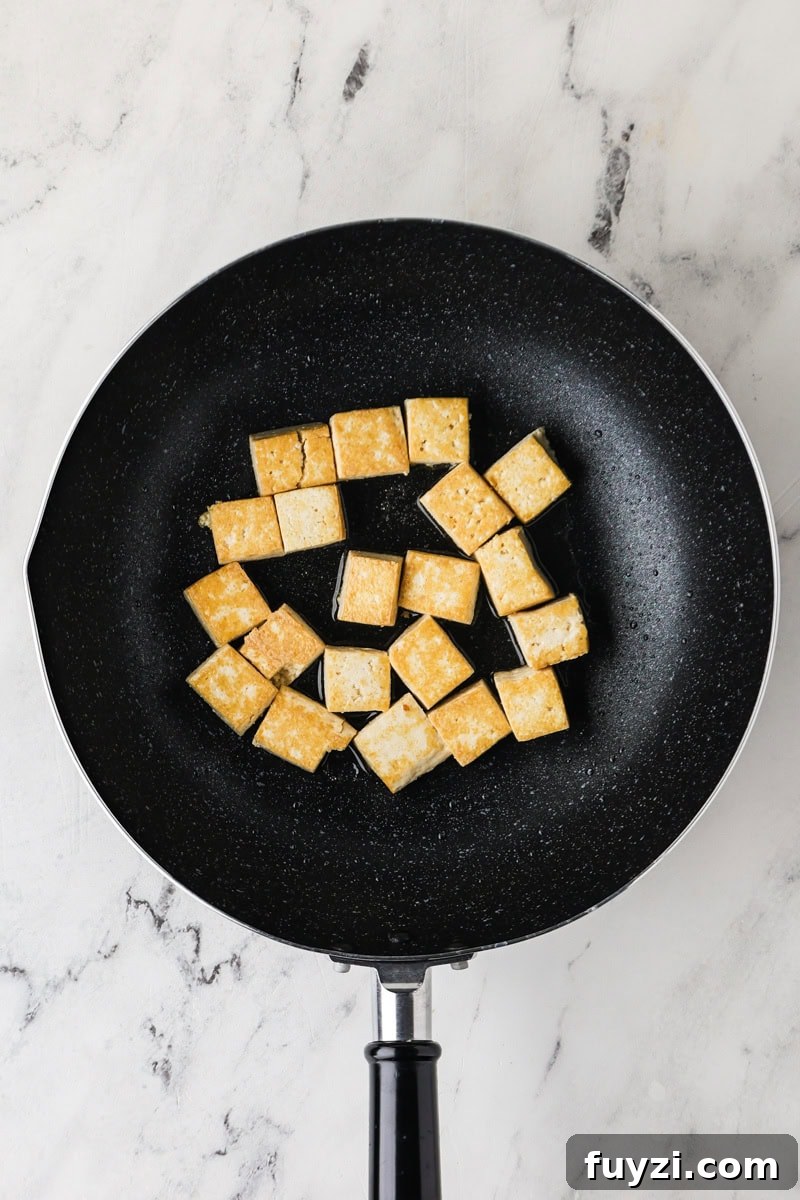
- Heat neutral oil in a wok or large heavy-bottomed pan over medium-high heat. Working in batches, cook the tofu in a single layer until golden and crispy on all sides. Remove and set aside.
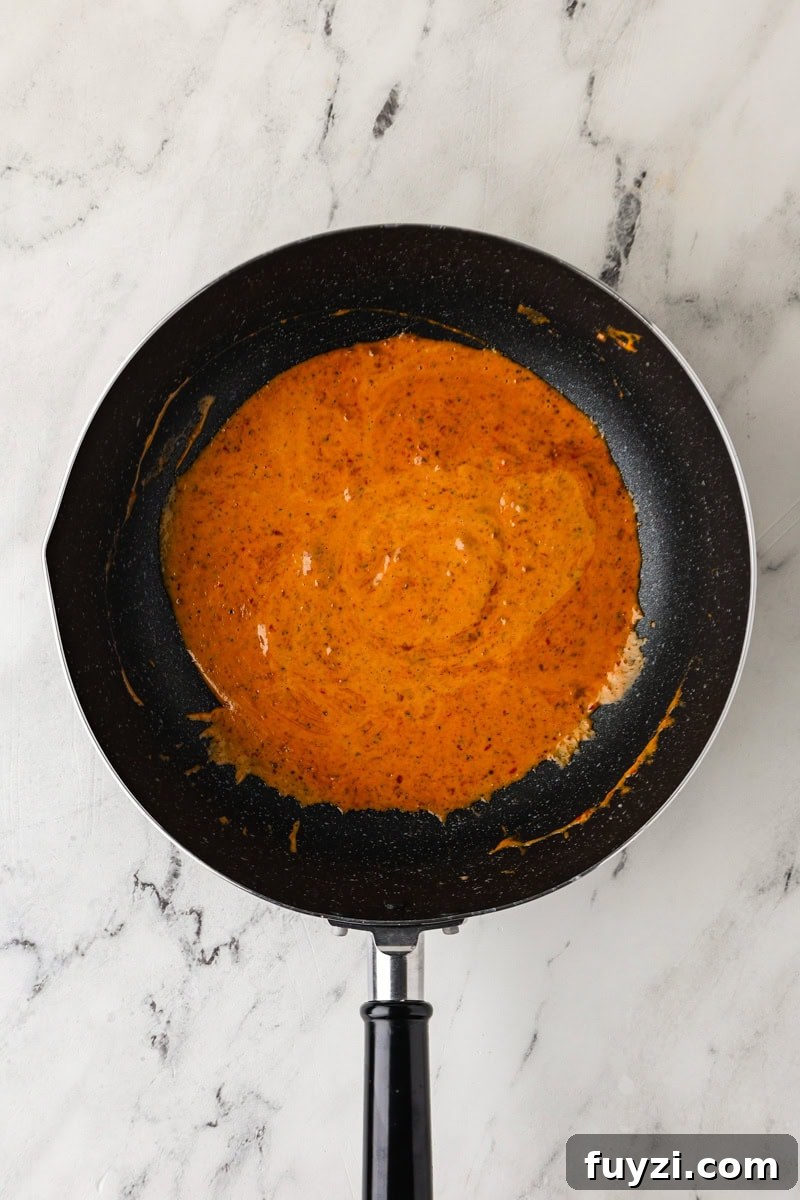
- Spoon about ¾ cup of the thick coconut cream from unshaken cans into the wok. Heat until bubbling, then add the red curry paste and stir constantly. Press and fold the paste into the cream for 3–5 minutes until very fragrant and the oil begins to separate and pool at the edges—the bloom.
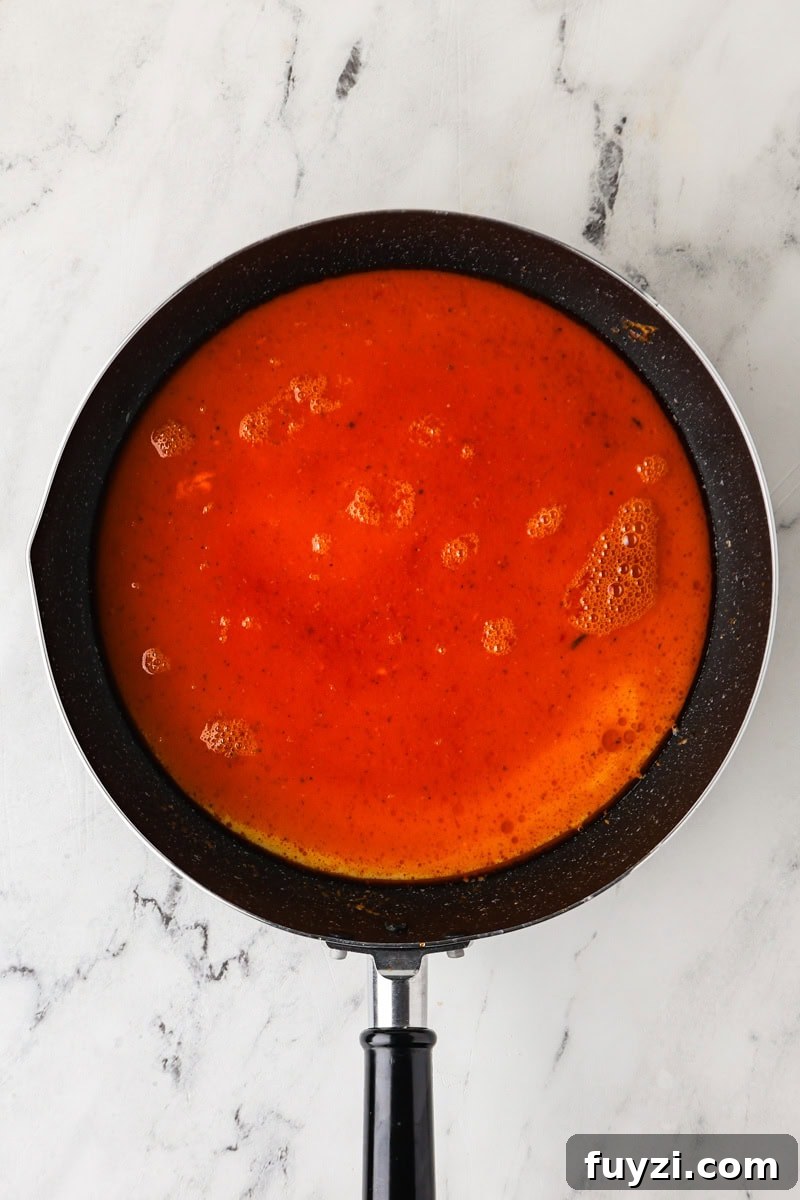
- Pour in the reserved thin coconut milk and the vegetable stock, stir to combine, and bring to a gentle boil.
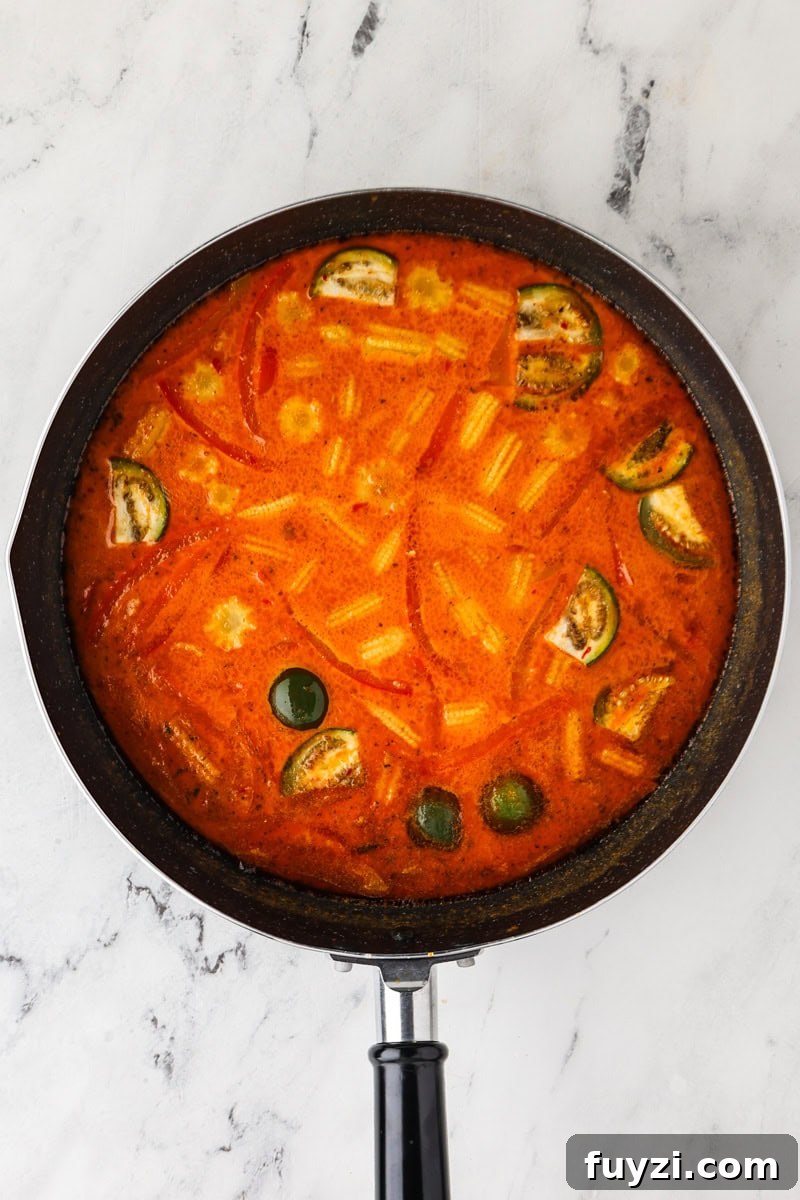
- Add vegetables in stages: Thai eggplant first and cook 5 minutes; then add red bell pepper and baby corn and cook another 3–4 minutes until everything is tender with a bit of bite.
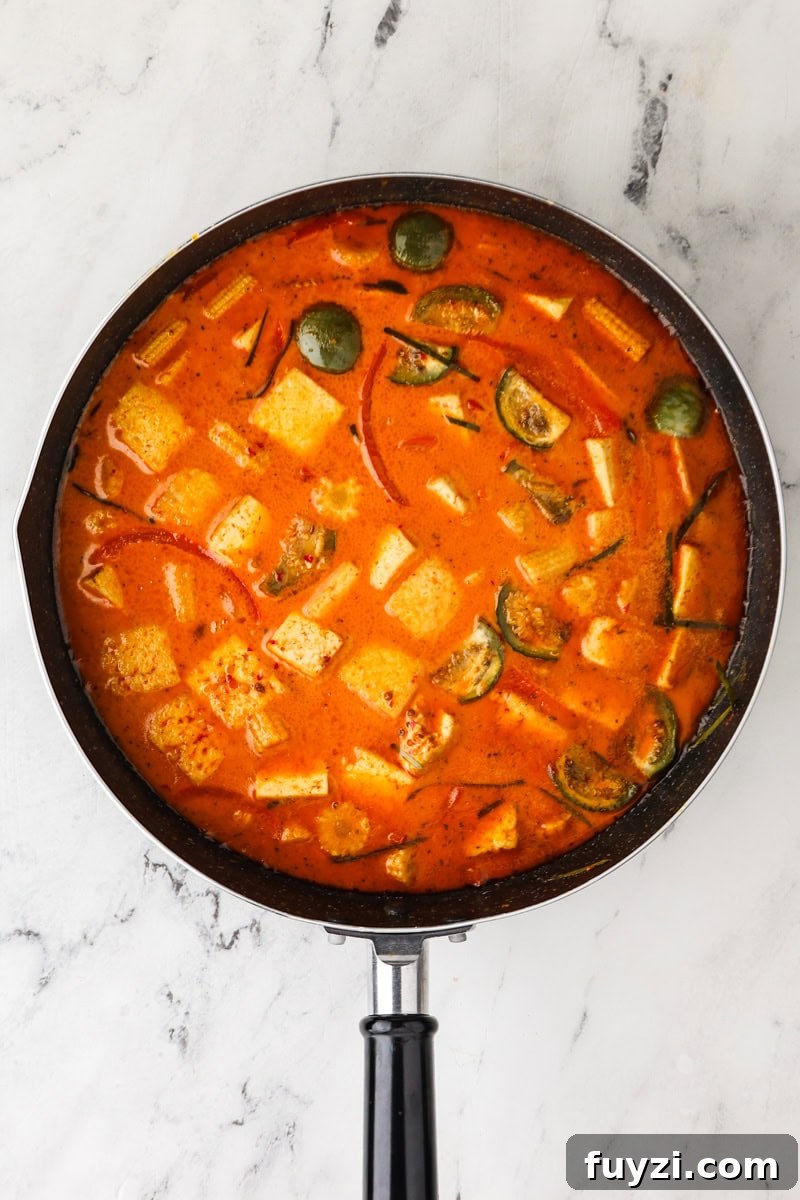
- Add the fried tofu back to the pan along with the makrut lime leaves, vegetarian fish sauce, and coconut sugar. Stir gently and simmer 2–3 minutes to let the flavors meld.
- Remove from the heat and fold in Thai basil leaves. Taste and adjust: more fish sauce for saltiness, more coconut sugar for balance, or a squeeze of lime for brightness. Serve immediately over jasmine rice.
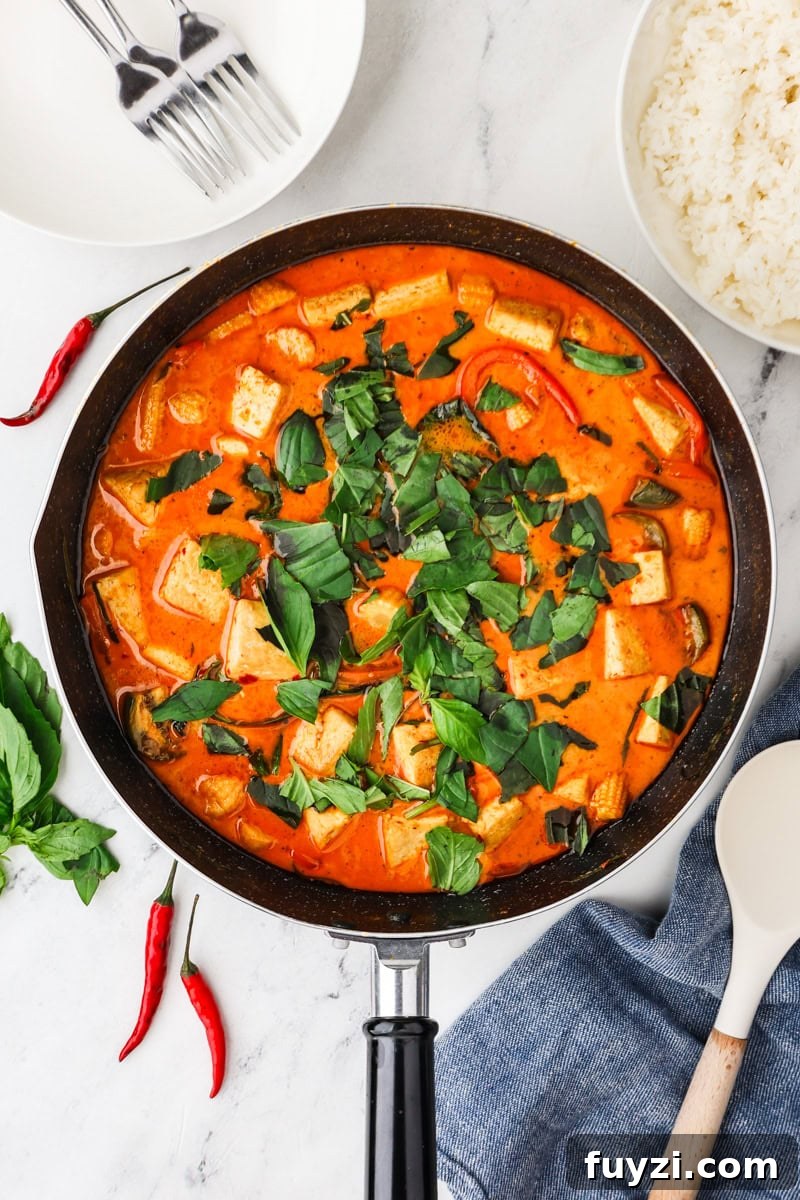
How to serve Thai red curry with tofu
Serve this curry over fluffy jasmine rice to soak up the rich coconut broth. Finish each bowl at the table with fresh Thai basil, sliced red chili, and a squeeze of lime for brightness. For a broader Thai-inspired meal, pair it with grilled tofu satay or a crisp salad.
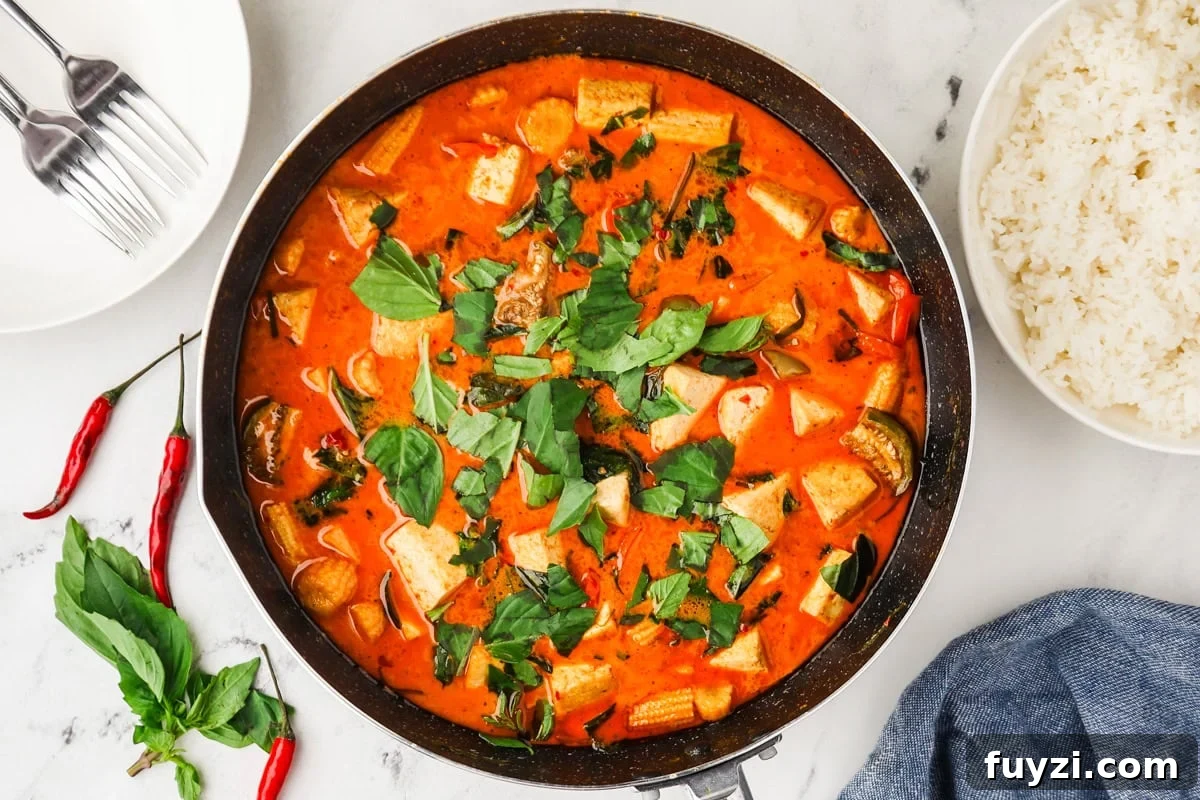
Variations
- Richer sauce: Stir 2 tablespoons natural peanut butter into the thin coconut milk for a Panang-style finish.
- Soup version: Add an extra cup of vegetable stock and serve over rice noodles for a curry soup.
- Alternate proteins: Pan-fried tempeh works in place of tofu; chickpeas can be used as a no-fry protein added with the thin coconut milk.
Storage and reheating suggestions
Refrigerate leftovers for up to 4 days; the flavors deepen overnight. Reheat gently over medium-low heat with a splash of coconut milk or vegetable stock to loosen the sauce—avoid boiling, which can cause the coconut milk to separate.
More authentic Thai recipes
If you enjoy this red curry, try other Thai recipes that focus on authentic technique and plant-based ingredients.
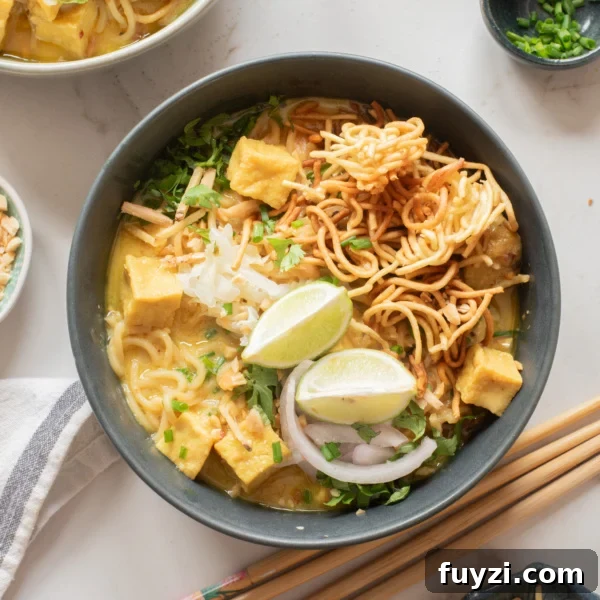
Vegetarian Khao Soi (Northern Thai Curry Noodle Soup)
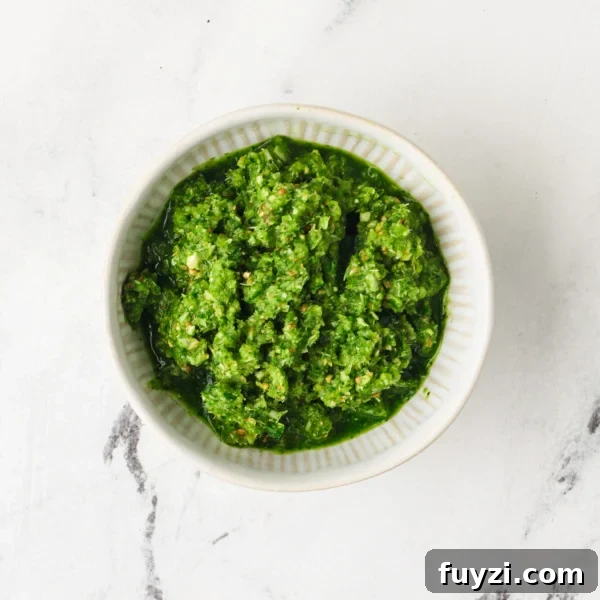
Thai Green Curry Paste without Shrimp Paste
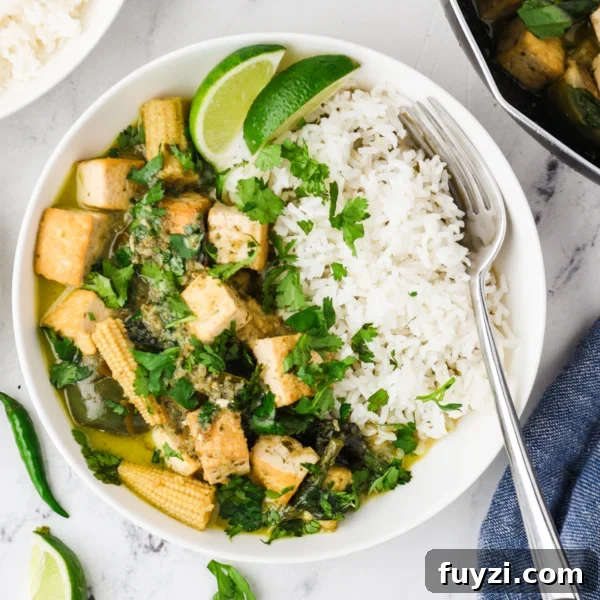
Thai Green Curry with Tofu
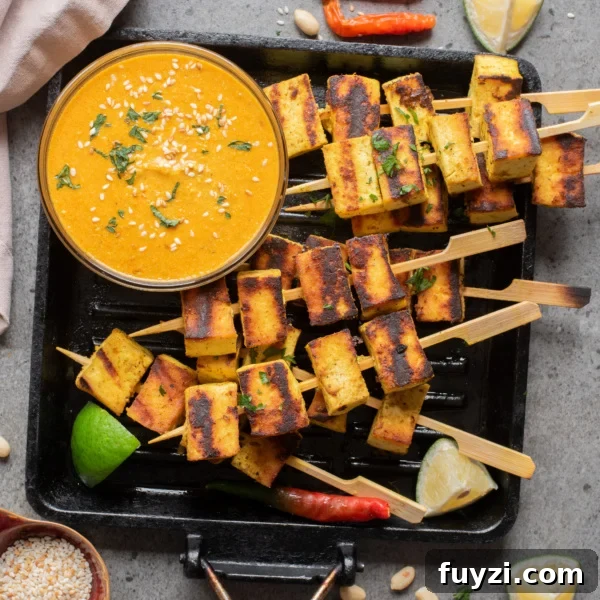
Authentic Tofu Satay with Peanut Sauce
Thai Red Curry
By Shruthi Baskaran-Makanju
My vegetarian Thai red curry uses the coconut cream bloom technique I learned in Koh Samui. Tofu and Thai eggplant make it hearty; it’s vegan and gluten-free and takes about 1 hour.
Details
Prep time: 25 mins • Cook time: 50 mins • Total: 1 hr 15 mins • Serves: 6
Equipment
- Wok or large heavy-bottomed pan
Ingredients
- 3 tablespoons neutral oil, divided
- 2 14-oz blocks extra-firm tofu, pressed and cut into 1-inch cubes
- 2 13.5-oz cans full-fat coconut milk, unshaken
- ¼ cup red curry paste (Mekhala brand or homemade)
- 2 cups vegetable stock
- 3 Thai eggplants, quartered (or 1 medium Japanese eggplant cut into 1-inch pieces)
- 1 medium red bell pepper, sliced into strips
- 1 15-oz can baby corn, drained and halved crosswise
- 6 makrut lime leaves, center rib removed, thinly sliced
- 1½ tablespoons vegetarian fish sauce (or 1 tbsp low-sodium soy sauce + ½ tbsp lime juice)
- 1 tablespoon coconut sugar (or palm sugar)
- 1 cup Thai basil leaves, loosely packed (substitute Italian basil if needed)
Instructions
Fry the tofu
- Heat 2 tablespoons neutral oil in the wok over medium-high until shimmering. Add tofu in a single layer without crowding; cook 3–4 minutes per side, turning occasionally, until golden and crispy. Remove and set aside.
Build the curry
- Open the coconut milk cans without shaking. Spoon the thick cream from both cans into the wok (about ¾ cup) and reserve the thin coconut milk.
- Heat the cream until it bubbles, then add the red curry paste. Stir, pressing and folding the paste into the cream for 3–5 minutes until fragrant and the oil separates and pools at the edges—the bloom.
- Pour in the reserved thin coconut milk and the vegetable stock, stir to combine, and bring to a gentle boil.
- Add Thai eggplant and cook 5 minutes, then add red bell pepper and baby corn and cook another 3–4 minutes until just tender.
- Add the fried tofu, makrut lime leaves, vegetarian fish sauce, and coconut sugar. Stir gently and simmer 2–3 minutes.
- Remove from heat and fold in Thai basil. Taste and adjust seasoning—more fish sauce for salt, more coconut sugar for balance, or lime for brightness. Serve over jasmine rice.
Notes
- The bloom is key: when the coconut cream separates and oil pools around the paste, the paste is fully cooked and aromatic. Do not rush this step.
- Freeze extra curry paste in tablespoon portions for up to 3 months. If you need gluten-free assurance, check your paste labels carefully.
- Store leftovers in the fridge for up to 4 days; the flavor deepens overnight. Reheat gently with a splash of coconut milk.
Nutrition
Calories: 541 kcal | Carbohydrates: 40 g | Protein: 18 g | Fat: 39 g | Saturated Fat: 26 g | Sodium: 777 mg | Fiber: 10 g
Nutrition information is automatically calculated and should be used as an approximation.