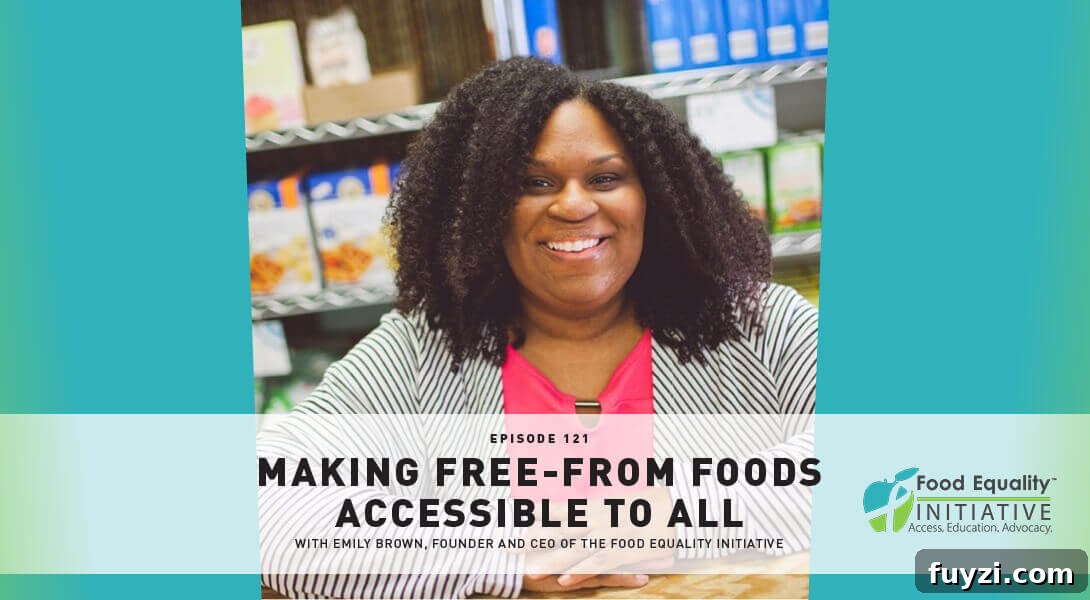
The Food Equality Initiative is the nation’s leading organization that is working to increase access to allergy friendly and gluten-free foods to individuals who need them the most. Did you know Black children are 7% more likely to have food allergies compared to white children and free-from foods cost 2-4 times what those with common allergens cost?
Emily Brown, a former preschool teacher who became CEO and founder of The Food Equality Initiative (FEI), began her journey after a deeply personal struggle to find safe food for her children. Her older daughter was diagnosed as an infant with multiple food allergies — milk, eggs, wheat, soy and peanuts — and with eosinophilic esophagitis (EOE). Pregnant with her second daughter, who also has food allergies, Emily discovered that the foods her family needed were largely unavailable through common support programs.
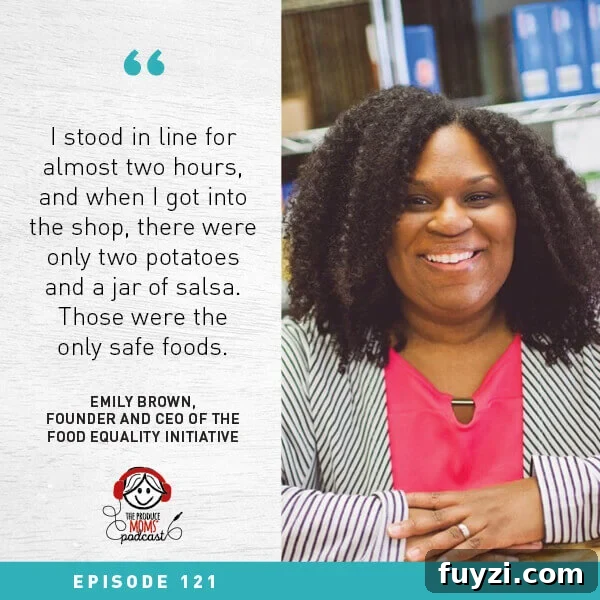
She first turned to WIC (the Special Supplemental Nutrition Program for Women, Infants, and Children), hoping the program would help offset the rising cost and limited availability of allergy-friendly and gluten-free products. WIC did not provide the specialized products her daughters required. Next she visited her local food bank, only to learn their facility and stock were not equipped to safely serve families managing multiple food allergies. A visit to a neighborhood food pantry resulted in suggestions to look for specialty items at expensive natural food stores, which were often unaffordable or inconsistent.
“Overnight our grocery bill quadrupled.” – Emily Brown
Like many families managing food allergies, Emily faced the impossible choice between paying sharply higher grocery bills or risking her children’s health. When doctors frame food as treatment for allergic and eosinophilic conditions, it raises difficult questions: Why aren’t medically necessary foods covered by insurance? Why are government nutrition programs and charitable organizations seldom set up to provide these products?
In 2014 Emily founded The Food Equality Initiative to bridge this gap. She initially pursued changes in WIC policy but realized policy reform takes time. To create immediate impact, she combined advocacy with practical solutions that could reach families now.
Emily opened the nation’s first allergy-friendly and gluten-free pantry in Kansas City, Missouri in 2015 and has been serving families ever since. They operate off a “pantry within a pantry” model, receiving most of their food from existing organizations.
The FEI model trains staff at partner pantries to distribute allergy-safe and gluten-free groceries within existing food banks and pantry spaces. Emily built relationships with brands and manufacturers willing to donate appropriate products. She also developed a clinical referral system: healthcare providers can prescribe specialized foods, and families redeem those prescriptions through FEI’s pantry partners.
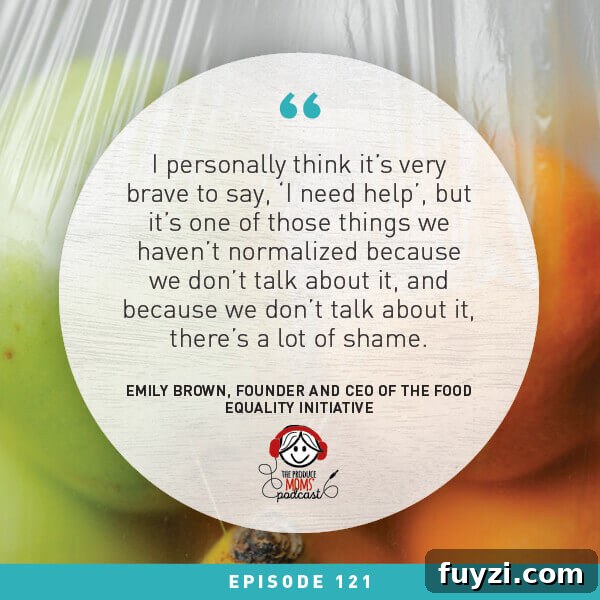
Despite early successes, FEI faced common barriers to scaling. Traditional pantries typically operate limited hours, which makes accessing food difficult for working families. Transportation challenges further prevented many from reaching pantry locations. Equally important, many people avoid food pantries because of stigma or the visibility of seeking help. These barriers limited the reach of in-person pantry services, even when allergy-safe options existed locally.
To remove those obstacles, FEI developed a new distribution approach: an online code system distributed through partner organizations and clinics. Families receive a code they can enter online to order free-from products, which are then shipped directly to their homes at no cost. This method eliminates transportation and scheduling barriers, reduces stigma, and ensures families receive the medically appropriate foods they need without additional expense.
FEI continues to combine immediate service delivery with long-term advocacy. Emily emphasizes that systemic change will require both policy reform and creative program solutions. In addition to shelf-stable allergy-friendly products, FEI is expanding efforts to provide fresh produce by collaborating with local farms and developing partnerships with growers across regions, ensuring clients can receive nutritious fresh foods as part of their care.
Supporting initiatives like FEI helps close the gap between medical recommendations and real-world access to safe, nourishing food. If you want to learn more about the organization or explore ways to help, search for Food Equality Initiative or visit the organization’s website directly to find current volunteer, donation, and partnership opportunities.
How to get involved
- Join community conversations about food access and allergy-friendly feeding through local and online parenting groups to stay informed and connected.
- Contact local food banks, health clinics, and pediatricians to ask whether they offer referrals for allergy-safe food programs and to suggest partnerships with organizations like FEI.
- Support food equity by advocating for policy changes that recognize medically necessary dietary needs and by encouraging donations of allergy-friendly products to local pantries.
If you found this story meaningful, consider subscribing to the podcast or show where this interview appeared and leaving a review. Sharing this episode and the work of The Food Equality Initiative helps raise awareness about the urgent need for equitable access to medically necessary foods.
Previous episodes you may enjoy
- Episode 120: The Produce Traceability Initiative With Ralph Towell, Director Of Analytics And Business Processes At Duda Farm Fresh Foods
- Episode 119: Intuitive Eating And Healthy Body Image For Children With Dr. Yami, DO, MPH, MS, FAAP, And Founder Of Veggie Fit Kids
- Episode 118: Fresh, Living Herbs That Last With Suzette Overgaag, Vice President at North Shore Living Herbs
- Episode 117: The Abundance Of Hawaii Creates A New Industry With Bella Hughes, Co-founder and President of Shaka Tea
- Episode 116: National Fruits And Veggie Month With Wendy Reinhardt Kapsak, President and CEO of the Produce For Better Health Foundation