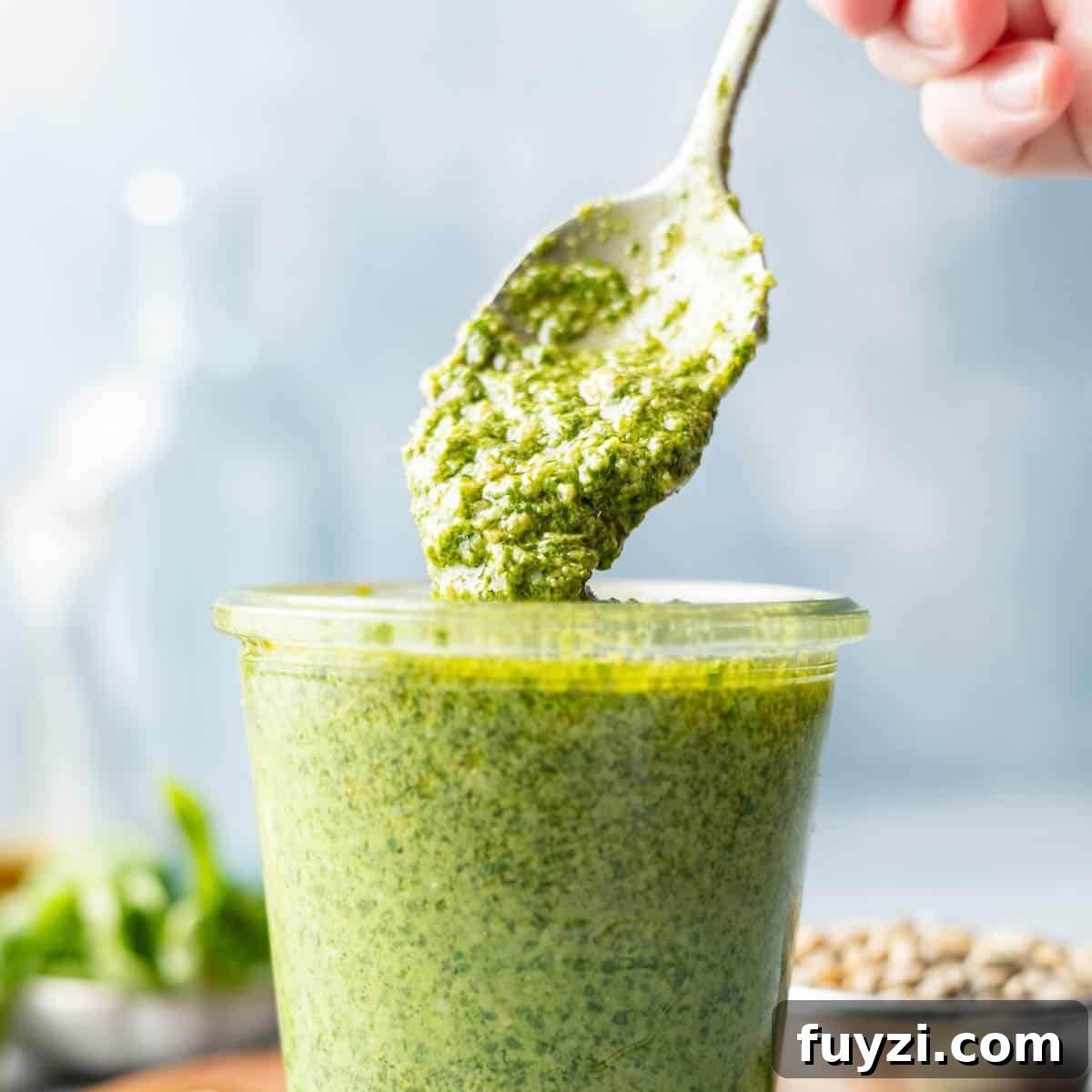
Wondering how to make pesto without pine nuts? This nut-free pesto recipe is an easy, flavorful alternative to classic pesto. You can make this vibrant sauce in minutes with simple ingredients—perfect for pasta, pizza, sandwiches, and dipping.
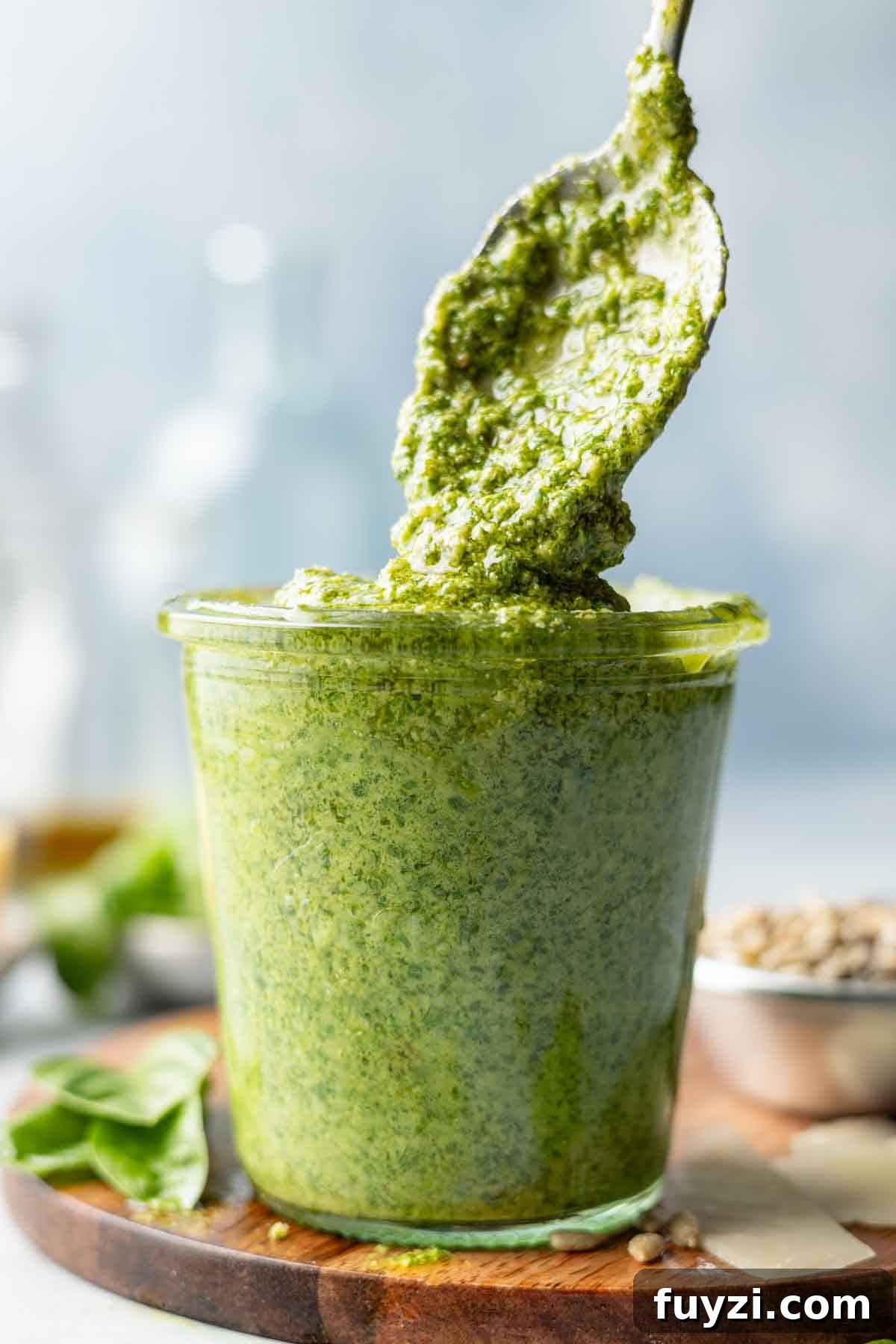
If you live with nut allergies or simply prefer to avoid tree nuts, store-bought pesto often contains pine nuts. Fortunately, homemade pesto is easy to adapt. By swapping the pine nuts for a neutral seed, you keep the classic pesto flavor, bright green color, and creamy texture without the allergens. This guide explains how to make a delicious basil pesto without pine nuts, plus variations, storage tips, and answers to common questions.
Recipe Testing Notes
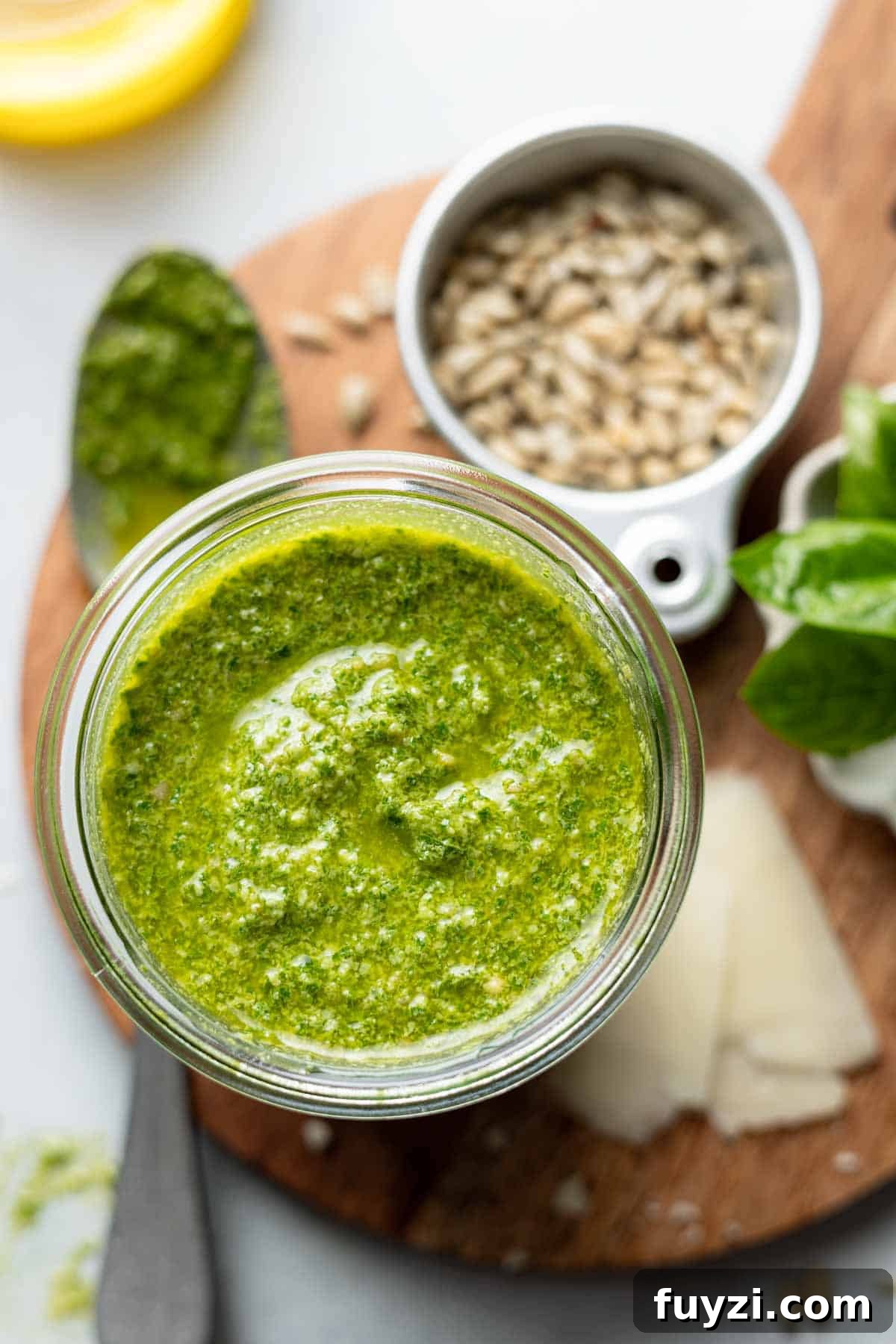
Traditional basil pesto relies on a few key ingredients: basil, garlic, cheese, oil, and pine nuts. Pine nuts contribute a mild, buttery nuttiness and creamy body. For a nut-free version, I tested several seed-based swaps and found sunflower seeds to be the closest match in flavor and texture. They provide the familiar nuttiness without tree nuts, and they blend smoothly into the sauce.
When making pesto without pine nuts, keep the proportions similar to traditional pesto so the balance of basil, cheese, and oil remains bright and fresh. Roast or toast the seeds lightly for a deeper flavor if you like, but plain unsalted seeds work well too.
Ingredients for Nut-Free Pesto Sauce
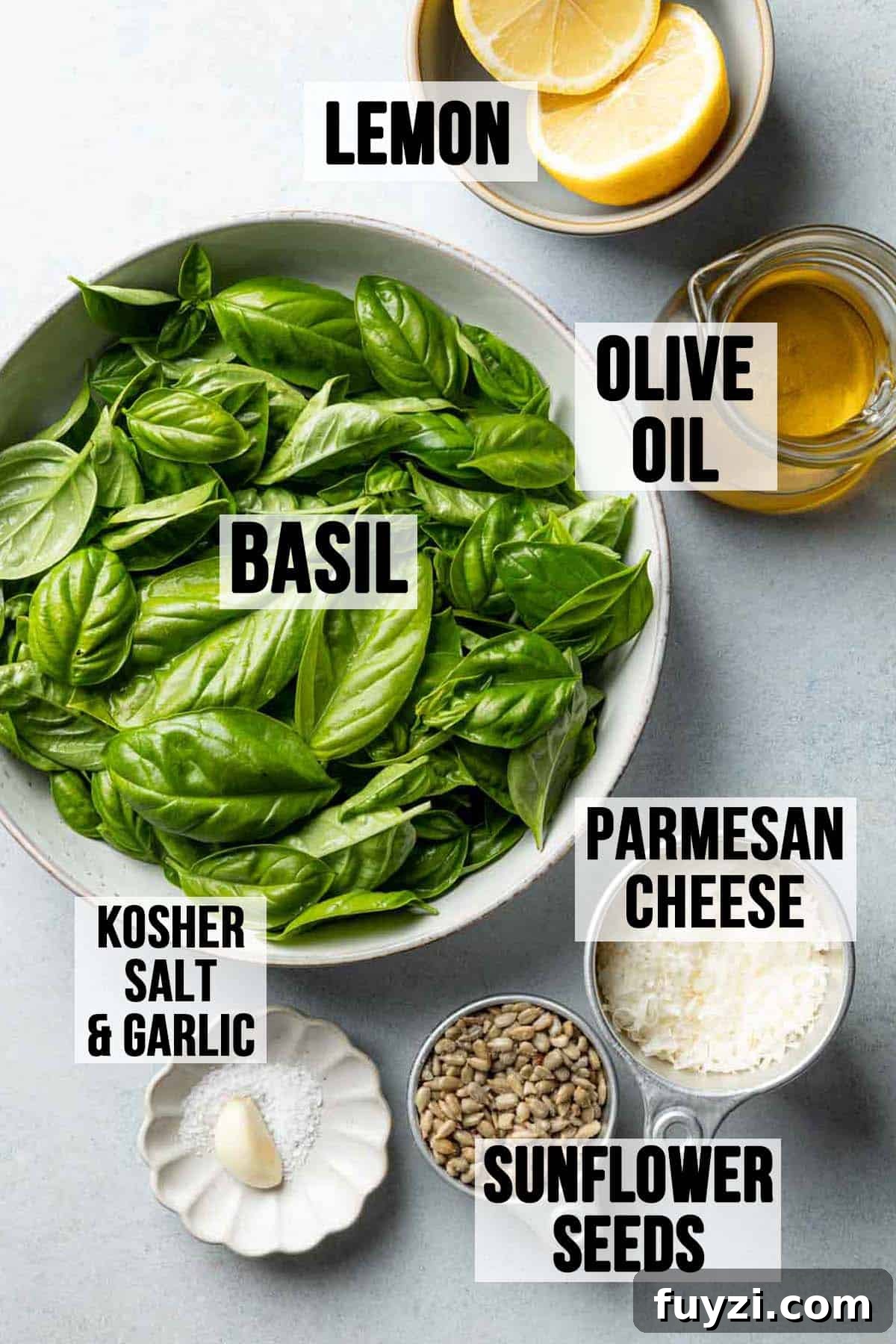
- Fresh basil: Use bright, young leaves for the best aroma and color.
- Grated Parmesan: Real Parmigiano-Reggiano or Pecorino Romano add savory depth; use the cheese you prefer.
- Sunflower seeds: Unsalted and hulled sunflower seeds are my go-to pine nut substitute; adjust salt if using salted seeds.
- Fresh garlic: One clove provides a gentle garlic punch—use more if you like a stronger bite.
- Lemon juice: A squeeze of lemon brightens the sauce and helps preserve the green color; a bit of zest is optional but nice.
- Extra-virgin olive oil: Good quality EVOO will shine in the finished pesto, so choose one you enjoy.
*See the recipe card below for exact measurements and full ingredient list.
Other Pine Nut Substitutes
- Pumpkin seeds (pepitas): mild and nutty, a great option for nut-free pesto.
- Hemp seeds: slightly earthy with a soft texture that blends well.
- Sesame seeds: toasted sesame offers a deeper, richer nuttiness—try sparingly to avoid overwhelming the basil.
Pesto Variations
- Spinach pesto: Replace half the basil with baby spinach for a milder, nutrient-rich sauce.
- Sun-dried tomato pesto: Use less basil and blend in sun-dried tomatoes for a tangy, savory twist.
- Arugula pesto: Swap basil for arugula to introduce a peppery bite.
- Kale pesto: Replace basil with tender kale leaves for a hearty green pesto; blanch the kale briefly if it’s very tough.
- Vegan pesto: Omit the cheese and add nutritional yeast for a cheesy flavor without dairy.
Equipment
You don’t need fancy gear to make pesto. A food processor yields a textured, rustic pesto while a high-speed blender or an immersion blender creates a smoother emulsion. If using a blender, add the oil slowly to ensure the mixture combines evenly. A wooden spoon and bowl work for a more hands-on, chopped pesto if you prefer a chunkier finish.
How to Make Pesto Without Pine Nuts
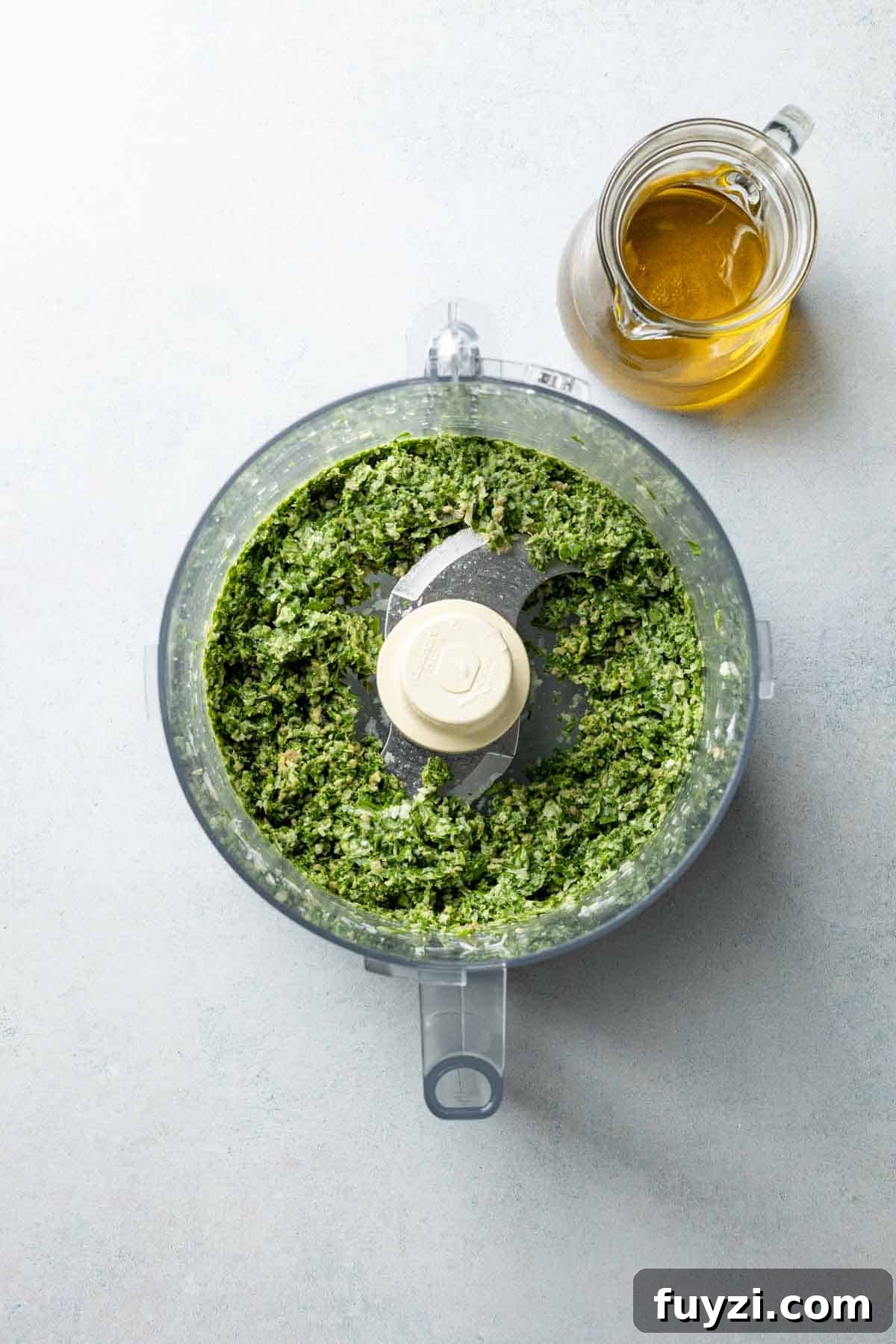
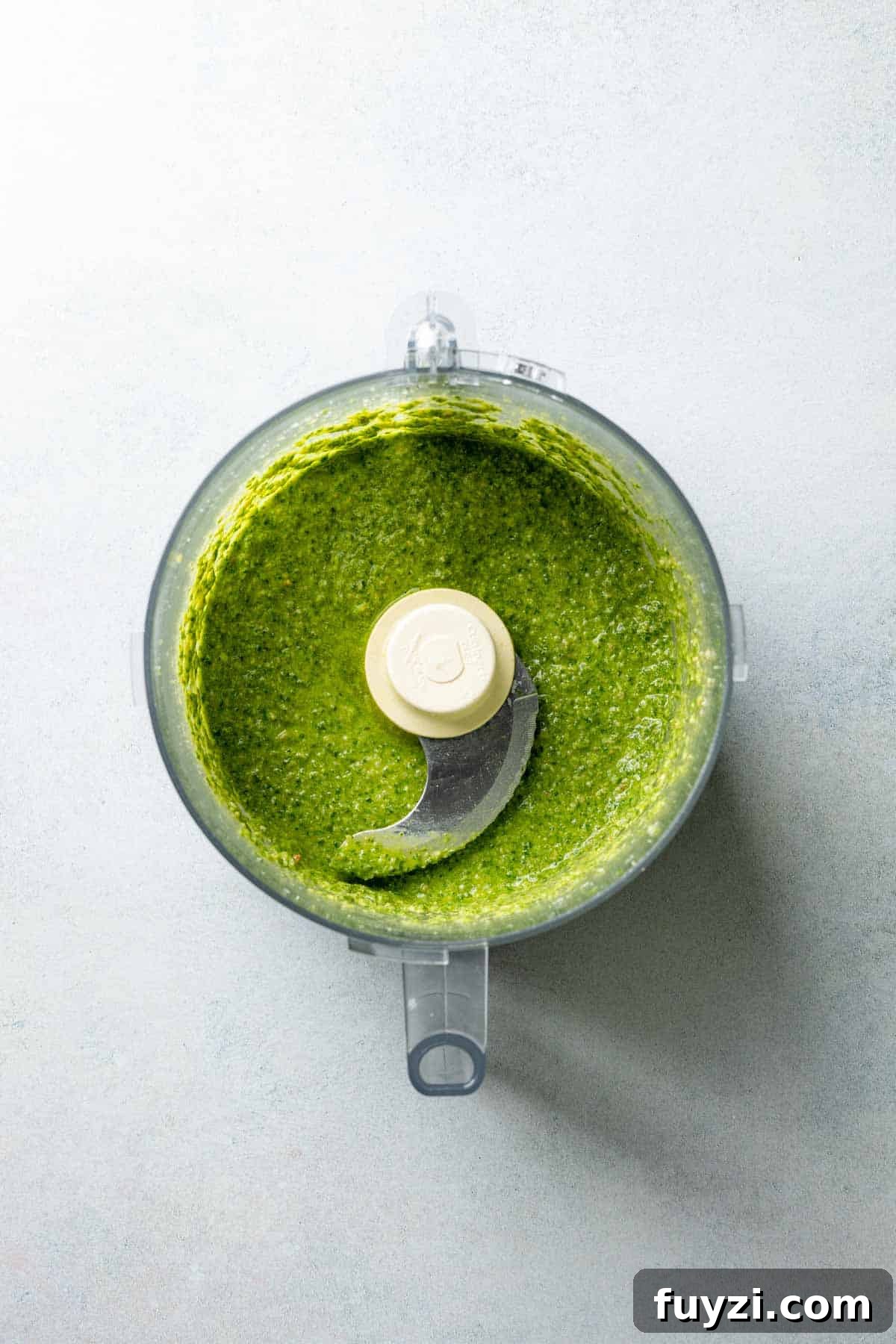
To prepare the pesto, place basil leaves, grated Parmesan, sunflower seeds, fresh garlic, lemon juice, and salt in the food processor. Pulse several times to break down the ingredients. With the processor running, slowly stream in the extra-virgin olive oil until the mixture becomes a cohesive sauce. Stop and scrape down the bowl as needed to ensure even blending. For a chunkier pesto, pulse less; for a smoother sauce, process a little longer.
How to Freeze Pesto
Freezing pesto in portions is a great way to enjoy summer basil year-round. Spoon pesto into ice cube trays or small silicone molds, leaving a little room for expansion. Once frozen solid, transfer the pesto cubes to a labeled freezer bag or airtight container. Thaw individual portions as needed; frozen pesto keeps well for at least three months. For best color and flavor after thawing, stir in a splash of fresh olive oil and use within a few days.
Keep a stash of frozen pesto for quick weeknight meals—thawed cubes blend nicely into warm pasta, soups, or sauces.
How Long Does Pesto Last?
Stored in an airtight container in the fridge, nut-free pesto typically remains fresh for 4 to 5 days. To slow oxidation and preserve the bright green color, smooth a thin layer of olive oil over the surface before sealing. If you plan to keep it longer, freeze pesto in portions as described above.
What to Serve With Nut-Free Pesto
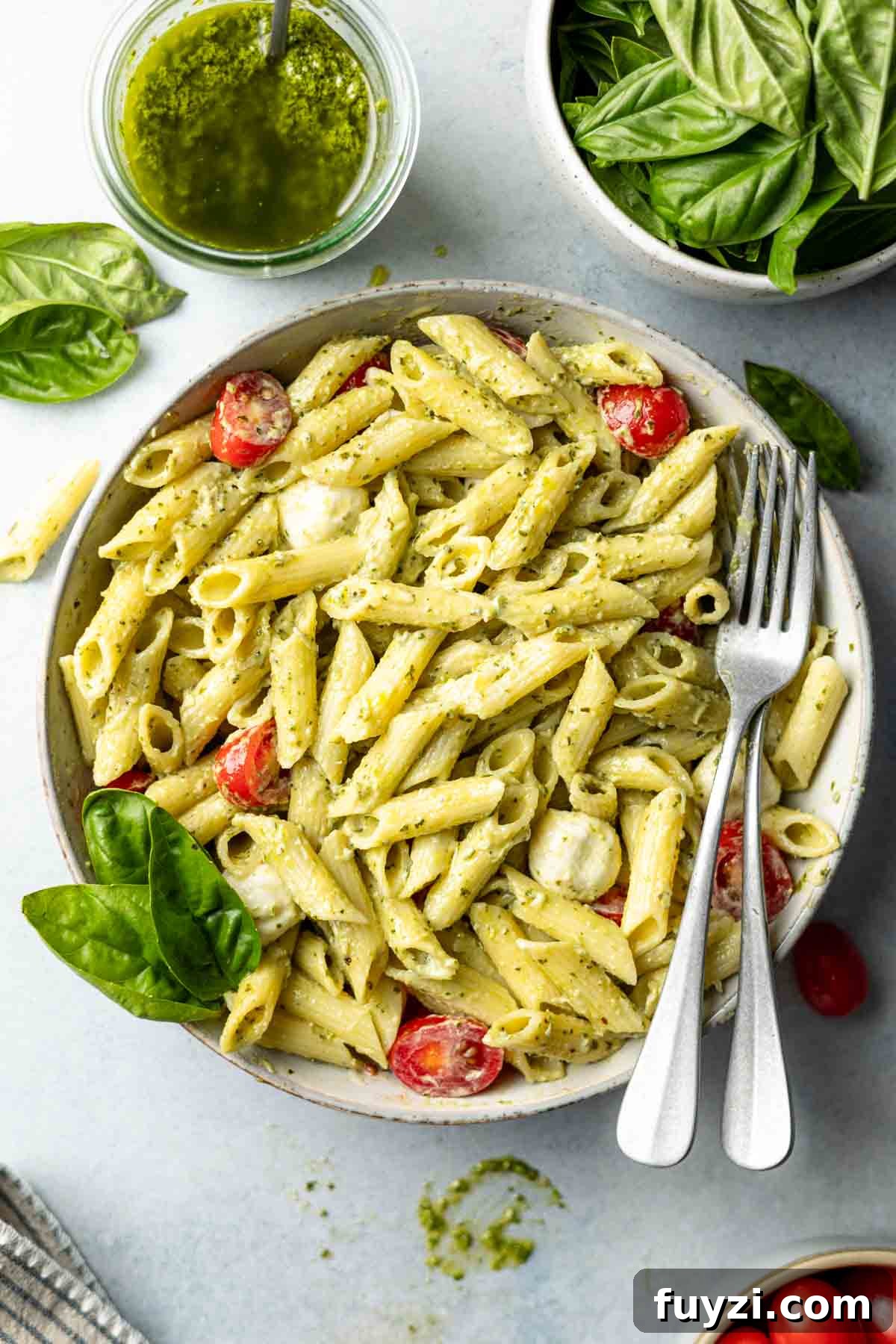
Fresh pesto works in many ways: toss it with your favorite pasta and a splash of reserved pasta water for a silky sauce, spread it on pizza in place of tomato sauce, mix into a salad dressing, or use as a sandwich spread. Pesto also makes a flavorful dip for warm bread, roasted vegetables, or grilled chicken and fish. The concentrated flavor pairs well with mild proteins and starchy sides.
Top Recipe Tips
- Sunflower seeds: If possible, use roasted, hulled seeds for the best texture and flavor. Pre-shelled seeds save time.
- Fresh ingredients: Choose fresh, bright basil leaves and freshly grated cheese for maximum flavor.
- Adjust consistency: Add more olive oil a tablespoon at a time if the pesto is too thick, or a few drops of lemon juice if you want more brightness.
- Prevent browning: Store pesto in a shallow container and pour a thin layer of olive oil on top to minimize oxidation.
Recipe FAQs
Pine nuts add a mild, buttery richness to classic pesto, but they are not essential. Substitutes like sunflower seeds, pumpkin seeds, or sesame seeds provide a similar texture and a pleasant nutty flavor while keeping the recipe nut-free.
Genovese or sweet basil varieties are ideal because their large, tender leaves offer a balanced, aromatic flavor. Avoid strongly flavored basils like Thai basil if you want a classic pesto profile.
Bitterness can come from rancid oil or seeds, aged garlic, over-blending, or basil that is past its prime. Use fresh ingredients, good oil, and stop blending once you reach the desired texture.
Recipe
Basil Pesto Sauce without Pine Nuts
Author: Katie Olesen
Make this bright, nut-free basil pesto in under 10 minutes. It’s versatile, freezer-friendly, and perfect for pasta, pizza, sandwiches, and more.
Servings & Time
Servings: 8 | Prep Time: 5 minutes | Total Time: 5 minutes
Ingredients
- 3 cups fresh basil leaves (loosely packed)
- 3/4 cup grated Parmesan cheese
- 1/4 cup sunflower seeds (unsalted)
- 2 tablespoons fresh lemon juice (about one lemon)
- 1 garlic clove
- 1/2 teaspoon kosher salt (omit if using salted seeds)
- 1/2 cup extra-virgin olive oil
Instructions
- Pulse basil, Parmesan, sunflower seeds, lemon juice, garlic, and salt in a food processor until finely chopped.
- With the processor running, slowly drizzle in the olive oil until the mixture comes together.
- Process a few more seconds to reach your desired consistency. Scrape the sides and taste, adjusting salt, lemon, or oil as needed.
Notes
Yield: about 1 cup of pesto. Store unused pesto in an airtight container in the refrigerator for 4–5 days, topping with a thin layer of olive oil to prevent browning. Freeze portions in ice cube trays for longer storage.
Estimated Nutrition (per 2 tbsp)
Calories: ~184 kcal; Protein: ~5 g; Fat: ~18 g; Carbohydrates: ~2 g. Values are estimates and should be used as a guideline.