I’ll be honest: I’m not a huge Halloween fan. Dressing up isn’t my favorite, I’m not wild about handing out mountains of candy, and elaborate decorations aren’t my thing—except for pumpkins. What I do enjoy is dressing up my son. His first Halloween he was the most adorable koala bear, and yes, I’m totally biased.
Last year we attended our preschool’s first Trunk or Treat event and I admit I panicked a little when the invitation arrived. A number of the parents and teachers know I’m studying nutrition, and I worried they’d expect me to hand out something “healthy.” I also didn’t want to be remembered as the parent who showed up with a bowl of raisins and nothing else. Raisins are great most days, but on Halloween they felt out of place—unless they were chocolate-covered, which would have been more acceptable in my book.
No Sugar Halloween Treats
My solution was simple: skip most food favors and hand out fun, age-appropriate non-food items instead. For that Trunk or Treat I offered small sheets of fruit-themed face stickers and farm animal stickers. I cut rolls into single sheets so every child got a few stickers. They were festive without being sugary, and they felt playful rather than preachy.
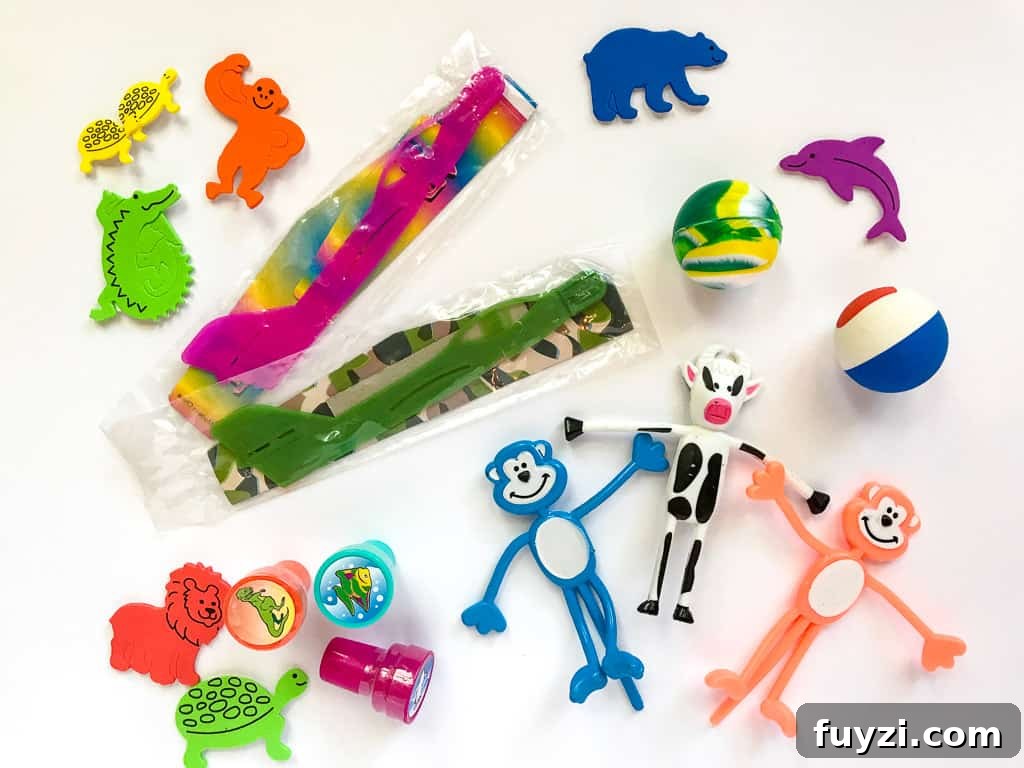
This year I’m following the same idea but with a mix of leftover party favors: paper airplanes, small stamps, bendable mini-figures, bouncy balls, and foam animal stickers. I plan to let each child pick two or three items. It’s a balance that keeps things exciting for toddlers while avoiding an overload of candy from my side.
That said, I’m not anti-candy. I don’t intend to ban sweets from my son’s Halloween experience—he’ll get to enjoy treats and the social fun of the day. My goal is only to avoid being the adult who hands candy to every toddler in a preschool setting. Toddlers don’t expect candy from every car at a Trunk or Treat, and non-food alternatives let them join the celebration in a way that feels thoughtful and practical.
When planning non-food treats, consider items that are safe, inexpensive, and easily distributed: stickers, small toys, crayons, mini bubbles, or themed erasers. These options are appealing to young children, durable enough to survive a night of excitement, and useful beyond the event itself. For families who want healthier edible options, single-serve items like unsweetened applesauce pouches, whole fruit, or yogurt squeezes can work, but check with organizers about allergies and choking risks.
Trunk or Treats and neighborhood trick-or-treating each offer different opportunities. For organized preschool events, non-food favors can be especially welcome because they avoid allergy concerns and make it easier for teachers to manage treats. For door-to-door trick-or-treating, families often expect candy, so offering a mix of small toys and selective treats can strike a good balance.
Tell me—do you hand out candy at Halloween, or do you prefer non-food or healthier treats? What strategies have worked for you at Trunk or Treats or when trick-or-treaters come to your door?