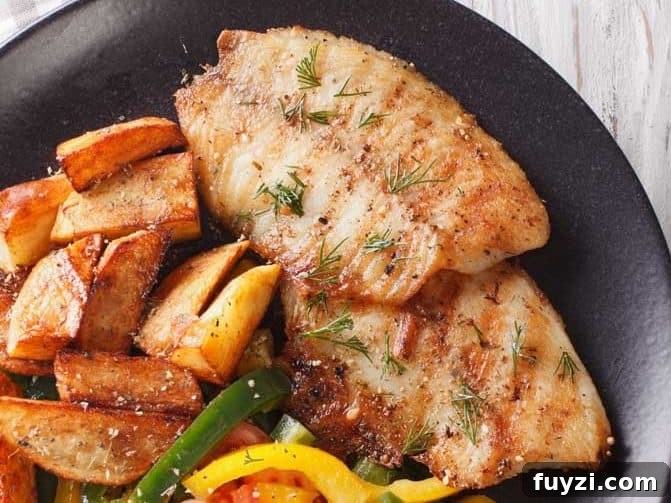
The perfect serving of barbecue smoked catfish starts with filleting and brining, then slow-cooking over wood smoke and finishing with a buttery, Cajun-style glaze. Below you’ll find a clear, practical guide to smoking catfish, followed by a tested smoked catfish recipe you can use at home.
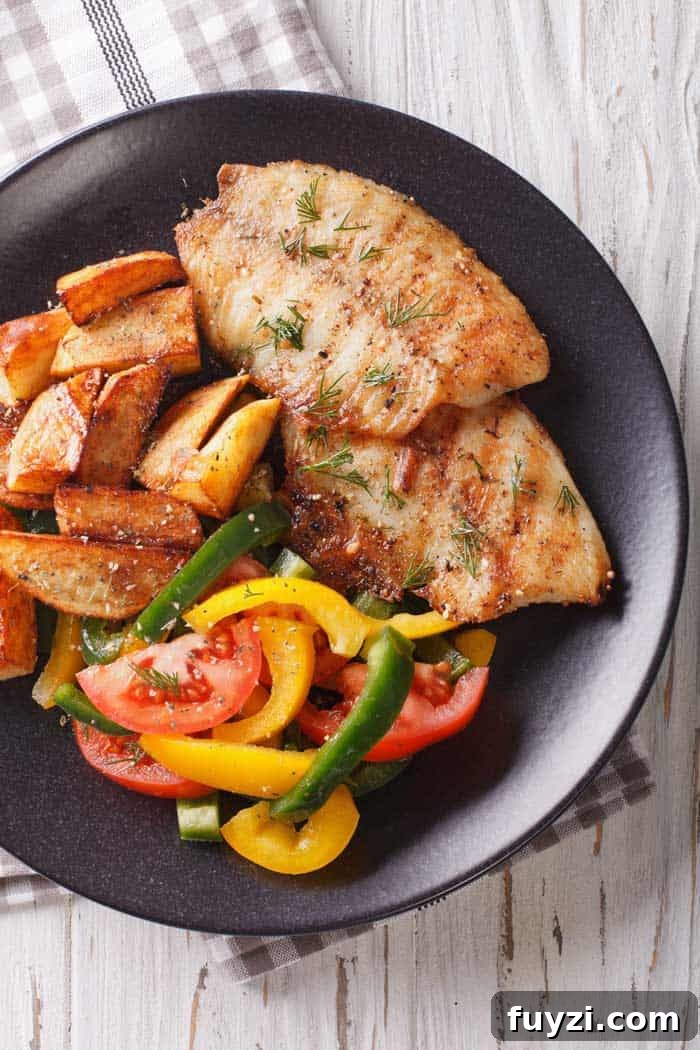
How many times have you caught catfish and wondered what to do with it? Don’t let those fish sit forgotten in the freezer or be tossed back. Smoked catfish transforms a simple catch into a deeply flavored, memorable meal. This guide explains the process step by step and includes a reliable recipe so you can make smoked catfish at home with consistent results.
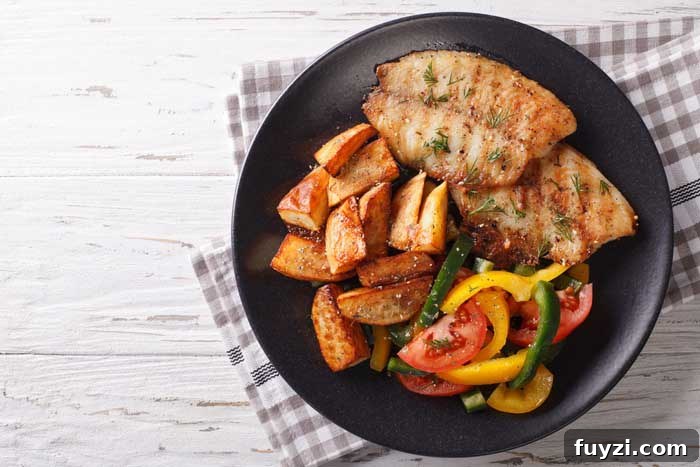
What does smoked catfish taste like?
Fried catfish is the classic preparation, but smoking brings a different set of flavors and textures. Smoking concentrates the fish’s natural taste while adding the aroma and complexity of wood smoke. You can also tailor the final result by varying seasonings and the wood you choose.
Catfish flavor can vary by species and whether it was wild-caught or farm-raised. Channel catfish often have a sweeter profile, Blue catfish tend to be a bit fattier, and Flathead catfish are frequently prized for a richer flavor due to their diet. Smoking highlights those differences but generally produces a savory, slightly smoky, and satisfying result that many prefer to plain fried preparations.
The best wood for smoking catfish
Wood choice influences the flavor more than most people expect. Mild, fruity woods like alder, apple, and maple pair nicely with most fish, including catfish, because they add a subtle sweetness without overpowering the flesh. Pecan adds a nutty, slightly stronger smoke that complements buttery glazes well.
If you like experimenting, blends of fruitwoods and mild hardwoods work well. Hickory and cherry can be used sparingly if you want a bolder smoke, but for a reliably balanced flavor, alder, pecan, or maple are excellent starting points.
How to prepare catfish for smoking
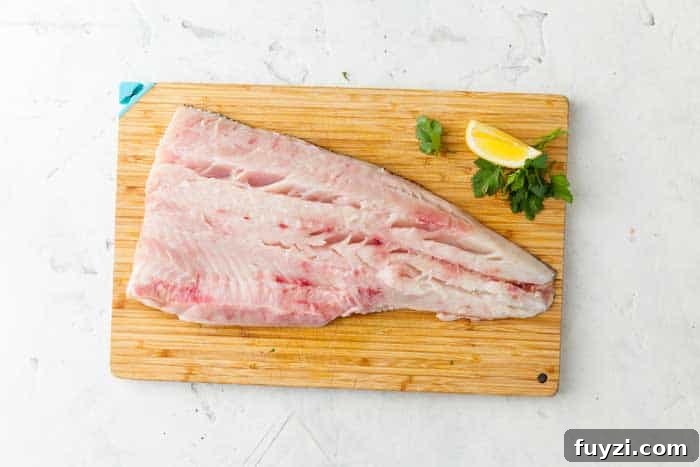
Preparation matters. You can smoke whole fish, use a dry brine, or wet brine, but for consistent moisture and flavor penetration we recommend filleting and brining. These steps help the fish hold moisture during the smoke and allow flavor to penetrate evenly.
Filleting
Remove the skin and cut the fish into fillets or steaks of similar thickness. Thinner, uniform fillets brine and smoke more evenly and finish faster. Aim to keep fillets consistent in size so cooking times match across the smoker.
Brining
Brining improves both texture and flavor. Use a non-reactive container or heavy-duty freezer bags. A simple wet brine of water, sugar, and non-iodized salt works very well; you can also add aromatics or spices if you like.
- Wet brine example: dissolve sugar and salt in warm water, then cool before adding fillets.
- Dry brine option: use the same salt-and-sugar mix as a light rub and refrigerate.
General brining rule: refrigerate roughly one hour per ½ inch of fillet thickness. For one-inch fillets plan on about two hours of brining. After brining, rinse the fillets briefly in cold water and pat them dry before smoking.

How to smoke catfish
Bring the smoker to a steady temperature in the range recommended for fish—keeping it low and consistent helps the catfish cook gently and stay moist. Use hardwood chips or chunks in modest amounts to provide clean smoke; avoid overpowering the fish with heavy smoke.
Before placing fillets on the grates, dry them with paper towels or a clean cloth. Put the fillets in the smoker and begin cooking. A typical workflow is to smoke the fillets first for a base period, then apply a glaze or marinade and finish briefly to set the coating.
Brush a glaze or sauce on toward the end of cooking and apply a second coat if desired. The fillets are done when the flesh flakes easily and separates with a light press at the edge. Remove them from the smoker, tent loosely with foil, and rest for a few minutes before serving. Resting helps the juices redistribute and the glaze to set.
Smoked Catfish

Smoked Catfish
Barbecue-style smoked catfish: filleted and brined, slow-smoked over wood, then brushed with a honey-butter and Cajun spice glaze.
Prep Time: 4 hrs
Cook Time: 2 hrs 10 mins
Total Time: 6 hrs
Servings: 4 people
Author: Ben Isham-Smith
Ingredients
- 4 fillets catfish
Wet Brine
- 2 tbsp brown sugar
- 2 tsp kosher salt (coarse or kosher)
- warm water (enough to cover fillets)
Glaze Seasoning
- 1 cup honey
- 1/4 cup diced butter
- 1 tsp smoked paprika
- 1 tsp dried oregano
- 1/2 tsp ground black pepper
- 1/2 tsp dried thyme
- 1/4 tsp onion powder
- 1/8 tsp cayenne pepper
- 1/4 tsp garlic powder
Instructions
- Combine the brown sugar and kosher salt in a small bowl. Place the fillets in freezer bags or a non-reactive container and pour in warm water to fully submerge the fish. Refrigerate for four hours.
- After brining, remove the fillets, rinse briefly under cold water, and pat them dry with paper towels. Place on a cooling rack to air for a few minutes if needed.
- Preheat your smoker to around 200°F (93°C) and add your chosen wood chips or chunks when it is stable. Maintain a steady, gentle smoke throughout cooking.
- Place the catfish fillets on the smoker grates and close the chamber. Smoke for an initial 20 minutes to build a light smoke flavor.
- While the fillets begin to cook, make the glaze: heat the honey in a small saucepan for one to two minutes until warm, add the diced butter and the spices, and stir until the butter is fully melted. Remove from heat and set aside.
- After the initial smoking period, brush the fillets with the glaze and continue cooking for another five minutes.
- Apply a second coat of glaze and smoke for an additional five minutes to set the glaze and deepen flavor.
- The fillets are done when the flesh flakes easily when pressed at the edge. Remove from the smoker, tent loosely with foil, and allow the fish to rest for about 10 minutes before serving.