Jump to Section
How Long Should a Turkey Rest?
You just removed the turkey from the oven or smoker and everyone is waiting to eat. Before you start carving, give the bird time to rest — it makes a noticeable difference in juiciness and flavor.
As a general guideline: larger roasted turkeys benefit from about 45 minutes of resting time, smaller birds about 30 minutes, and smoked turkeys typically need only 15–30 minutes. Smoked birds cool faster because they’re cooked at lower, steadier temperatures, so they don’t require as long to redistribute their juices.
Why Should You Let Turkey Rest?
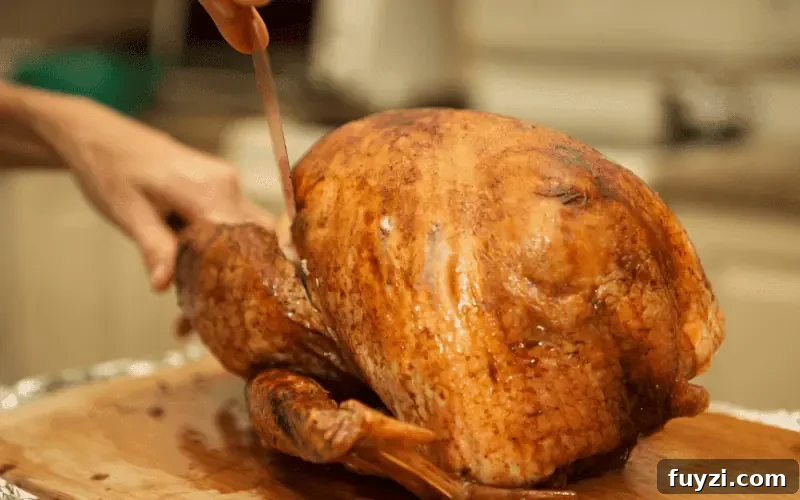
Resting allows the meat to reabsorb juices pushed toward the surface during cooking, so when you slice it the juices stay in the meat instead of running onto the cutting board. It also evens out internal temperature and improves flavor and texture.
Remember that meat continues to rise in temperature after being removed from heat; for that reason many cooks pull the turkey a degree or two before the target internal temperature and let it finish during the rest. Skipping the resting period increases the chance of unevenly cooked or underdone meat and causes more juice loss when you carve.
How to Rest a Turkey
An effective technique is to rest the turkey breast-side down. Because the breast meat dries out faster than dark meat, flipping the bird helps keep those white meat portions moister. Turning a large turkey takes two people—use heatproof gloves, towels, and a stable surface for safety.
Move the turkey to the back of the counter and start your resting timer. Leave it undisturbed so the juices can redistribute.
How Long to Rest a Smoked Turkey
Smoked turkeys cool more quickly than oven-roasted birds, so plan on a shorter rest of 15–30 minutes. Tenting smoked turkeys loosely with foil helps retain heat without trapping steam against the skin.
Tips for What To Do While Your Turkey Is Resting
Use the resting period to finish sides and make the gravy. If you cooked stuffing inside the bird, transfer it to a baking dish and return it to the oven until it reaches 165°F to ensure food safety. The rest window also gives you time to plate and warm serving dishes so everything comes together hot.
Can You Let a Turkey Rest Too Long?
Yes — while resting is essential, letting a turkey sit too long will cool it below a desirable serving temperature. Aim to carve within about an hour of removing the turkey from heat. If the internal temperature falls much below 130°F, the bird will be noticeably cool, and leaving it in the temperature danger zone for over two hours increases the risk of bacterial growth.
If timing the whole meal is challenging, using a smoker for the turkey can simplify scheduling and free up oven space for sides.
How Long to Rest Turkey Breast?
A single turkey breast or boneless roast needs less time — about 15–20 minutes. Because breast meat is leaner and can dry out, consider covering it loosely while it rests to help retain moisture.
How to Rest Turkey the Right Way
Follow these steps for the best results:
1. Take the Turkey Out On Time
Remove the bird as it reaches your target internal temperature. Overcooking before the rest only dries the meat further.
2. Rest the Turkey on a Cutting Board
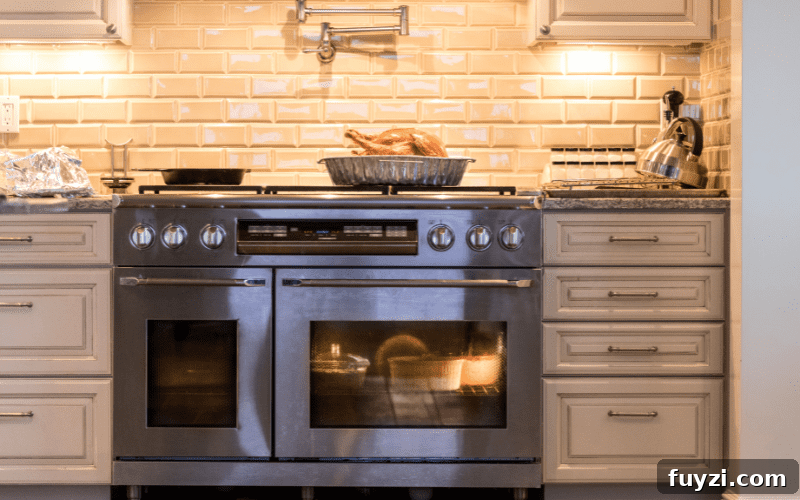
Transfer the turkey from the roasting pan to a cutting board or platter. Leaving it in the pan can trap heat and steam and may cause the bird to keep cooking unevenly.
3. Don’t Touch the Turkey
Avoid poking or probing repeatedly. Let the meat settle undisturbed so juices redistribute evenly.
4. Monitor the Temperature
Place a thermometer probe in the thickest part of the meat and leave it during the rest to track temperature without cutting into the bird.
5. Have Patience
It’s tempting to carve immediately, but waiting the recommended time rewards you with juicier, better-flavored meat.
How to Carve a Turkey
Carve in a logical order so slices stay warm and presentation is clean:
1. Remove the Legs
Cut the drumsticks free and place them with the dark meat on the serving platter.
2. Remove the Wings
Separate the wings from the breast and set them aside with the white meat if desired.
3. Cut the Dark Meat
Remove the thigh meat from the bone in manageable pieces and add to the platter next to the legs.
4. Slice the Turkey Breast
Slice the breast against the grain into even pieces. Because the breast benefits most from resting, carve it last to preserve moisture.
Do You Cover a Turkey When Resting?
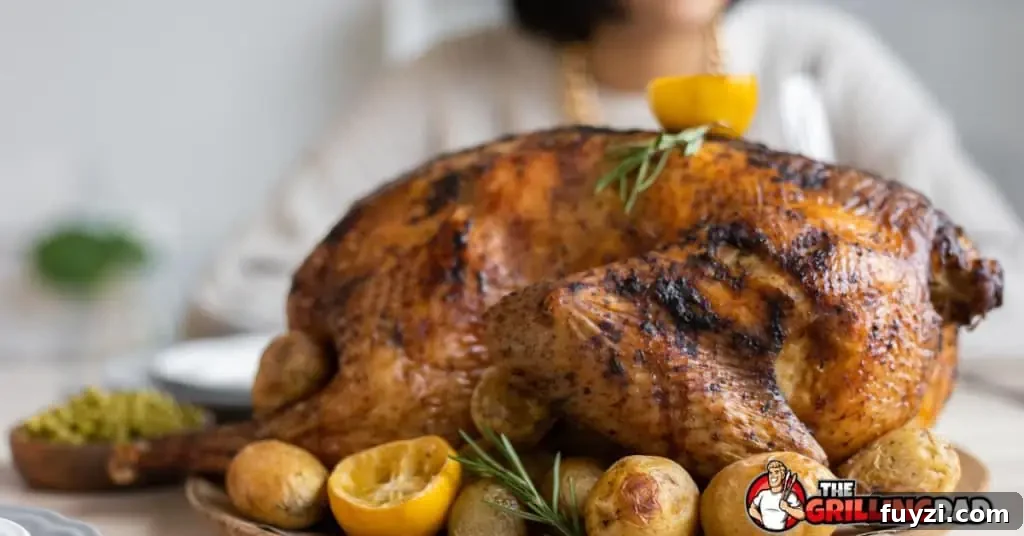
Covering is a matter of preference: leaving the turkey uncovered keeps the skin crisper, while a loose cover (a towel or tented foil) helps retain heat and tenderness. If you cover, avoid wrapping tightly so moisture doesn’t accumulate against the skin. For smoked turkeys, a loose foil tent is a practical choice.
More Turkey Tips
Additional topics to explore when planning a turkey dinner include reheating leftovers, keeping a smoked turkey warm, and safe refrigerator storage times for cooked turkey.
- How to reheat turkey
- How to keep a smoked turkey warm
- How long cooked turkey lasts in the fridge
Final Thoughts on Resting Turkey
Resting is an essential step for a juicy, flavorful turkey. Adjust the rest time to the cooking method and bird size: around 45 minutes for large roasted birds, 30 minutes for smaller ones, and 15–30 minutes for smoked turkeys. Avoid resting longer than an hour so the turkey remains warm and safe to serve.