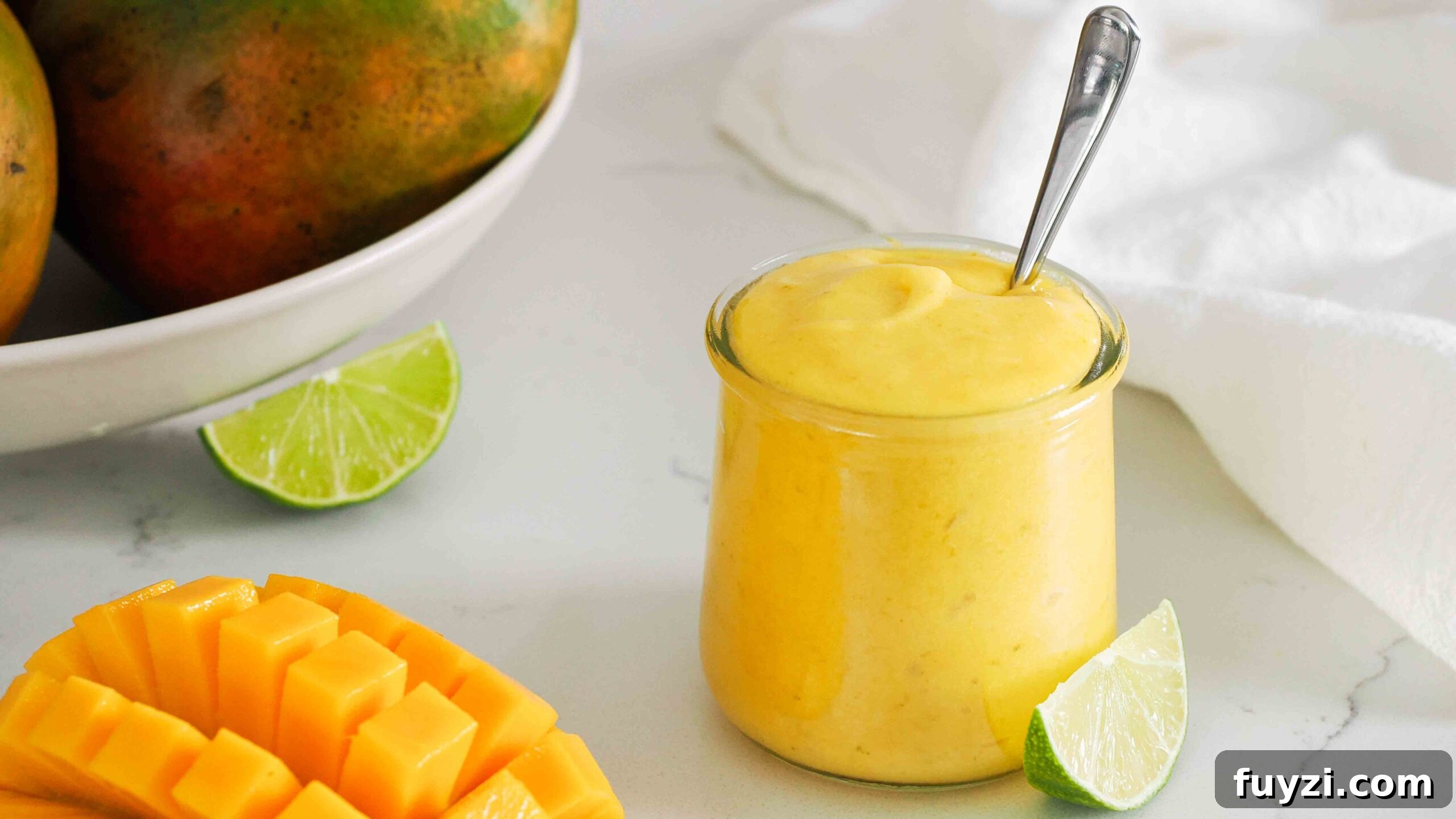
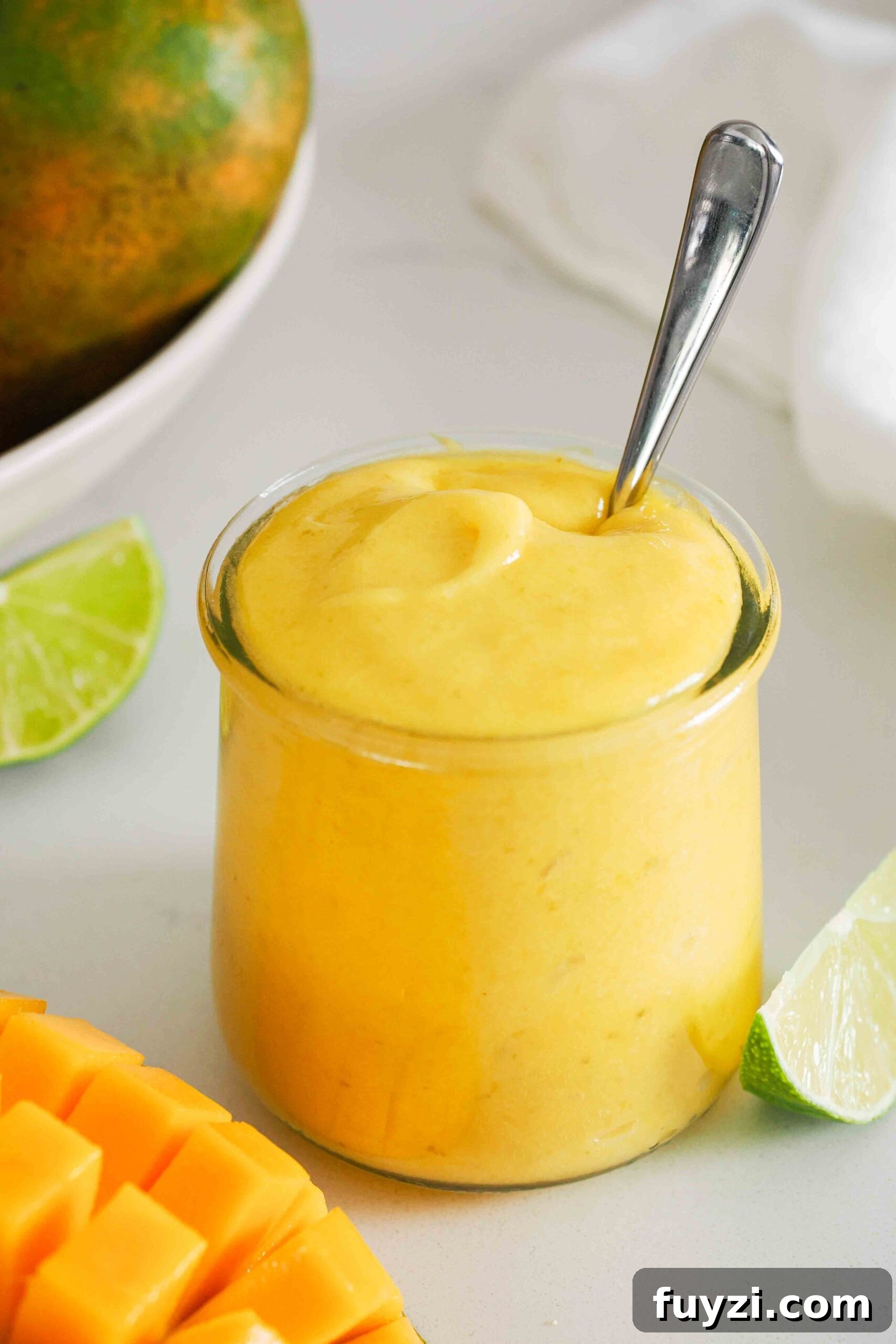
Made with fresh mango puree and bright lime, this small-batch mango curd adds a tropical note to tarts, macarons, cakes, and more. The texture is silky and creamy, and the mango flavor takes center stage. You can leave the lime zest in for extra texture and aroma, or strain the curd through a fine mesh strainer if you prefer a completely smooth finish.
This recipe yields about one cup (240 ml) of mango curd. One small batch is enough to fill a three-layer cake, about a dozen mini tarts, or two batches of macarons. The recipe scales easily if you need more: double or triple the ingredients as desired. Mango curd can generally be substituted for lemon curd in many pastries where you want a bright, fruity filling.
“Delicious – the lime and mango combo is very tasty.” -Karina
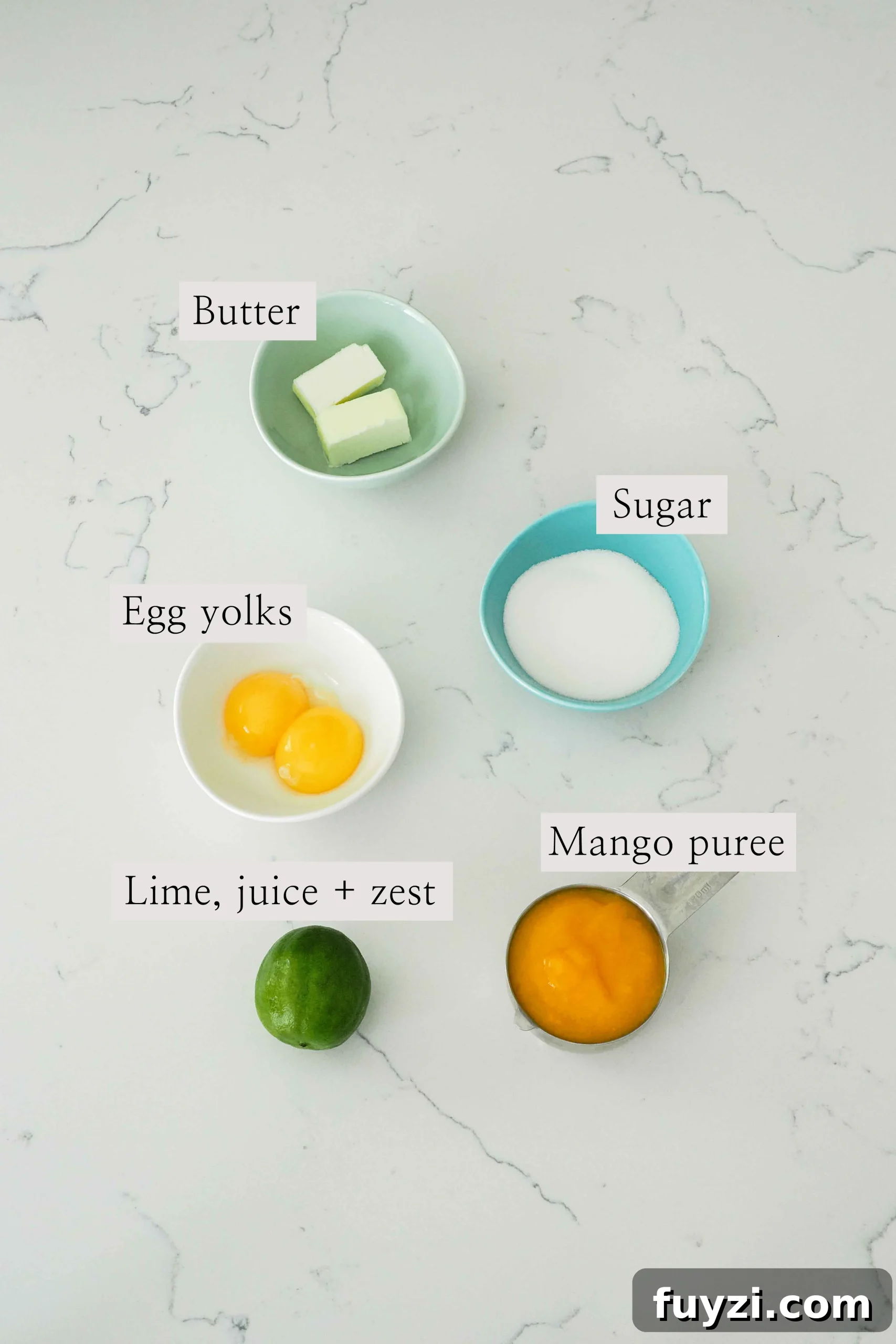
Ingredients for Mango Lime Curd
- Granulated sugar — Sweetens the curd and helps with structure and thickening.
- Lime — Zest and juice brighten and enhance the mango flavor. You may substitute lemon juice if needed; omit the zest if you do.
- Egg yolks — Yolks thicken the curd when cooked gently and add rich texture.
- Mango puree — Use real mango puree, not mango nectar or juice. Puree fresh, frozen, or canned mango in a blender until smooth.
- Unsalted butter — Adds silkiness and richness, helping the curd finish glossy and creamy.
How to Make Mango Curd
If you haven’t made curd before, the bain-marie (double-boiler) step may feel fussy, but it ensures the egg cooks gently for a perfectly smooth result. Below are clear, step-by-step tips; you can also watch a short video demonstration on the recipe creator’s YouTube channel if you prefer a visual guide.
Pureeing the Mango
For the best texture and flavor, use fresh mango puree. Pureed mango is thicker and less diluted than nectar or juice, and it helps the curd set with less butter and yolk.
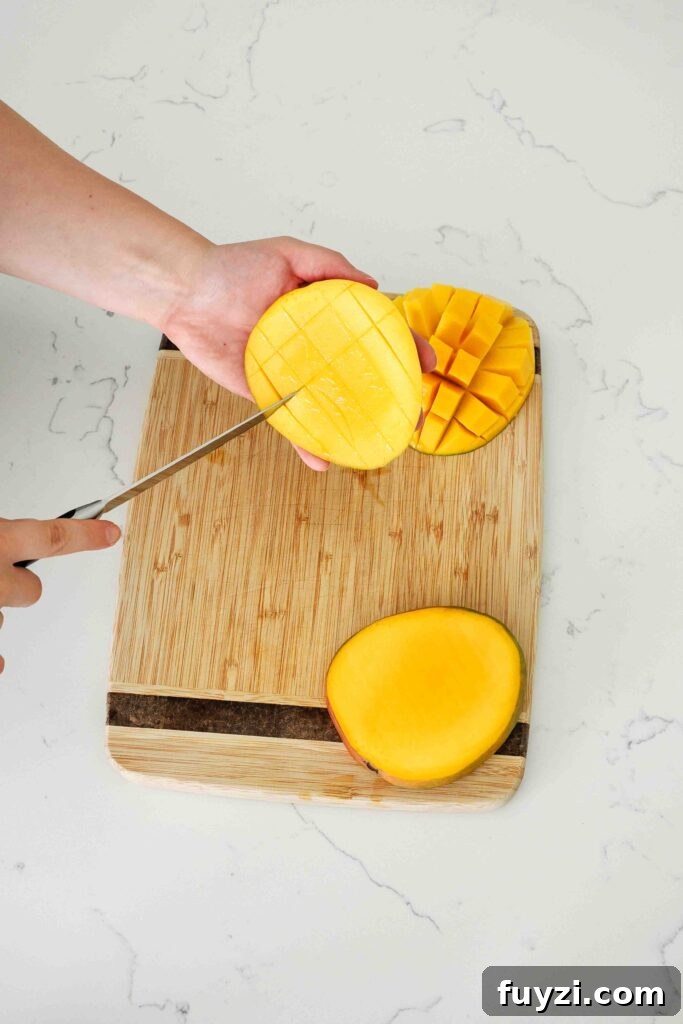
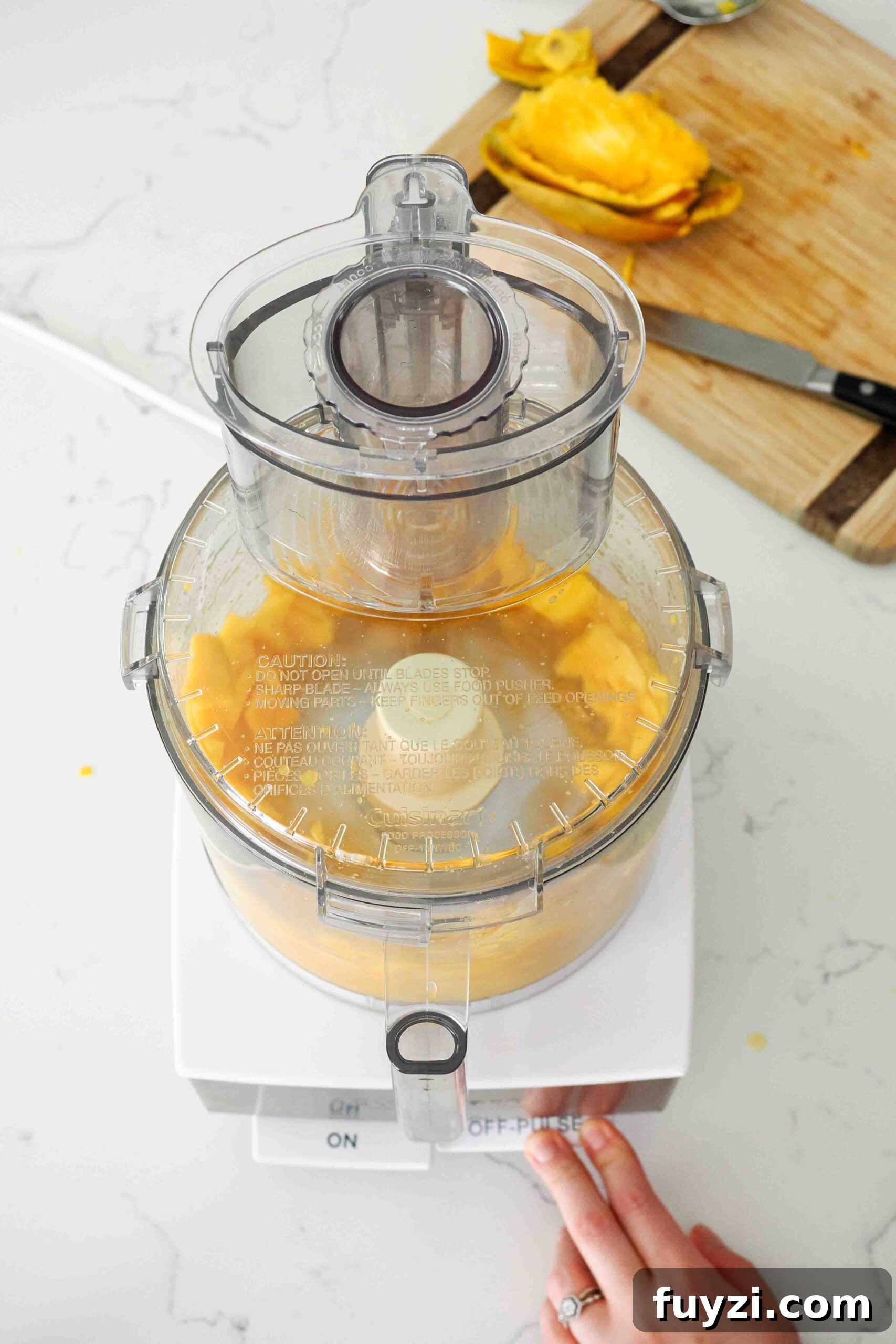
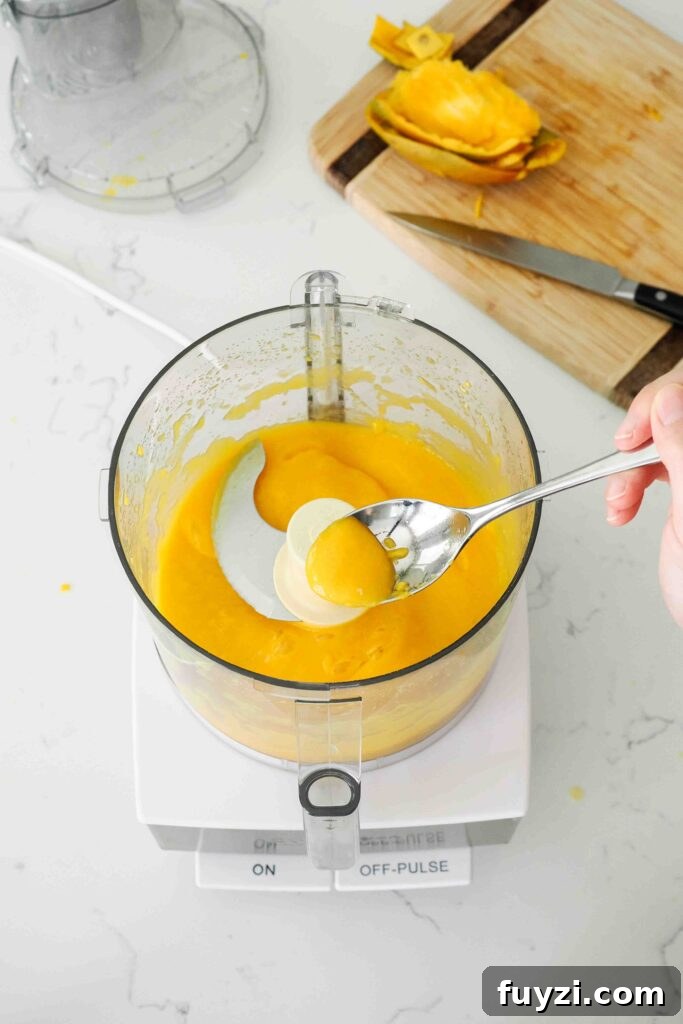
If mangoes are in season use fresh fruit; if not, unsweetened frozen or canned mango chunks work well. To puree a fresh mango, cut the cheeks away from the pit, score the flesh into cubes, scoop the pieces out with a spoon, and blend until smooth in a food processor or blender. Scrape any remaining fruit from the pit and add it to the blender.
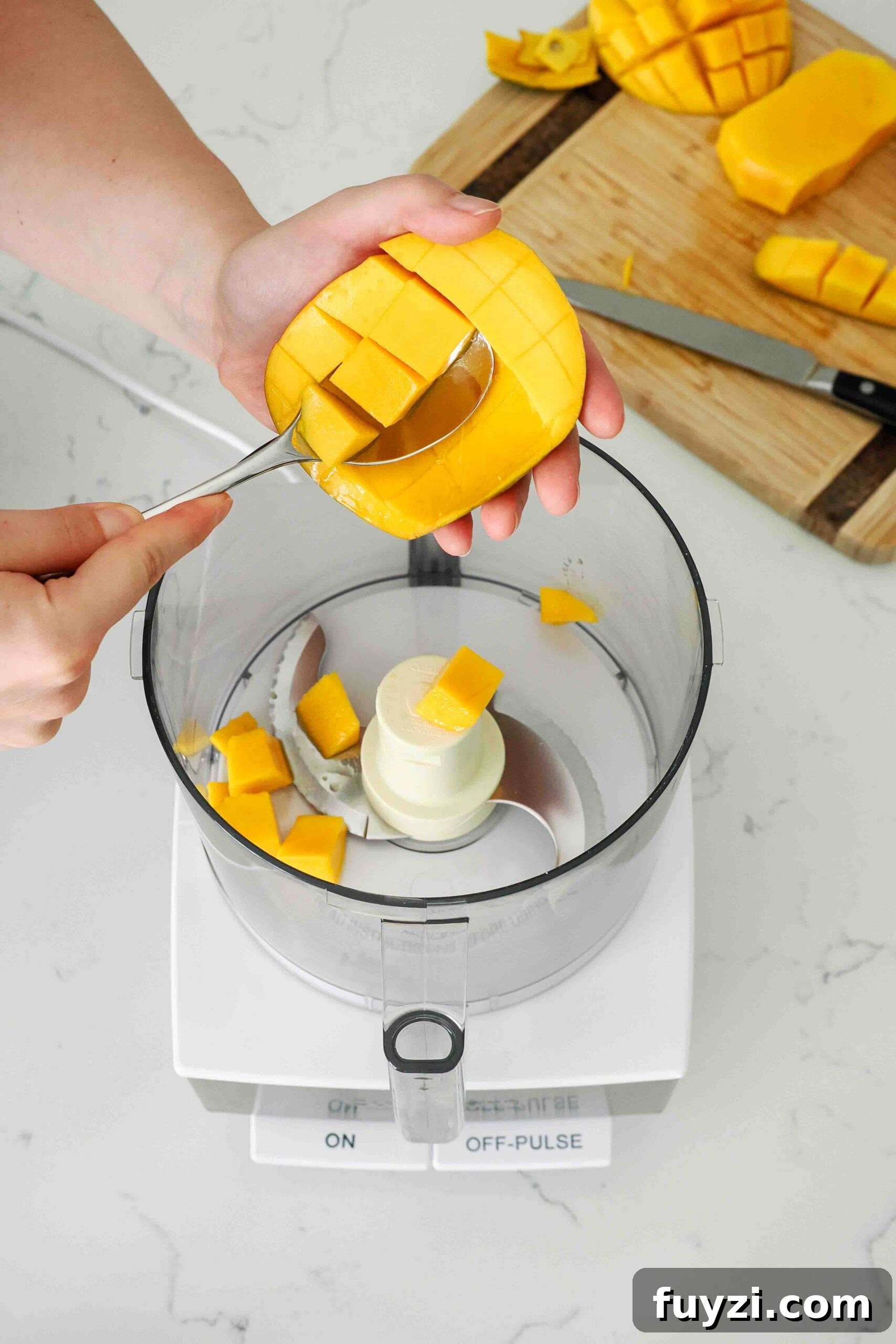
If you don’t have a food processor, a blender will work. Alternatively, mash the mango thoroughly and press it through a fine mesh strainer for a smoother puree.
Making the Mango Curd
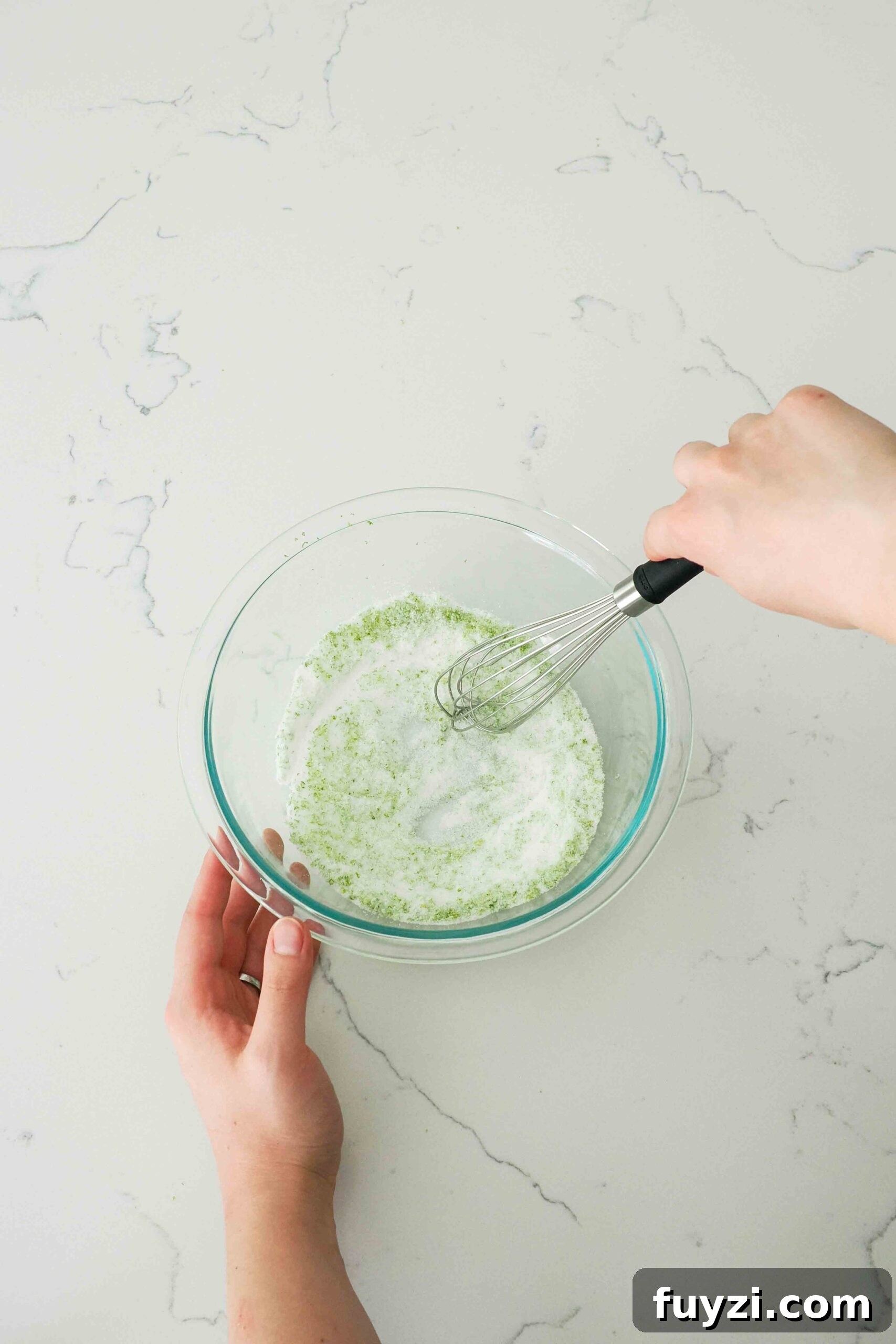
Choose a heat-proof mixing bowl that sits comfortably over a medium pot for a bain-marie. Add the sugar to the bowl and zest the lime directly over it so the oils mix into the sugar. Whisk to combine and release the lime aroma.
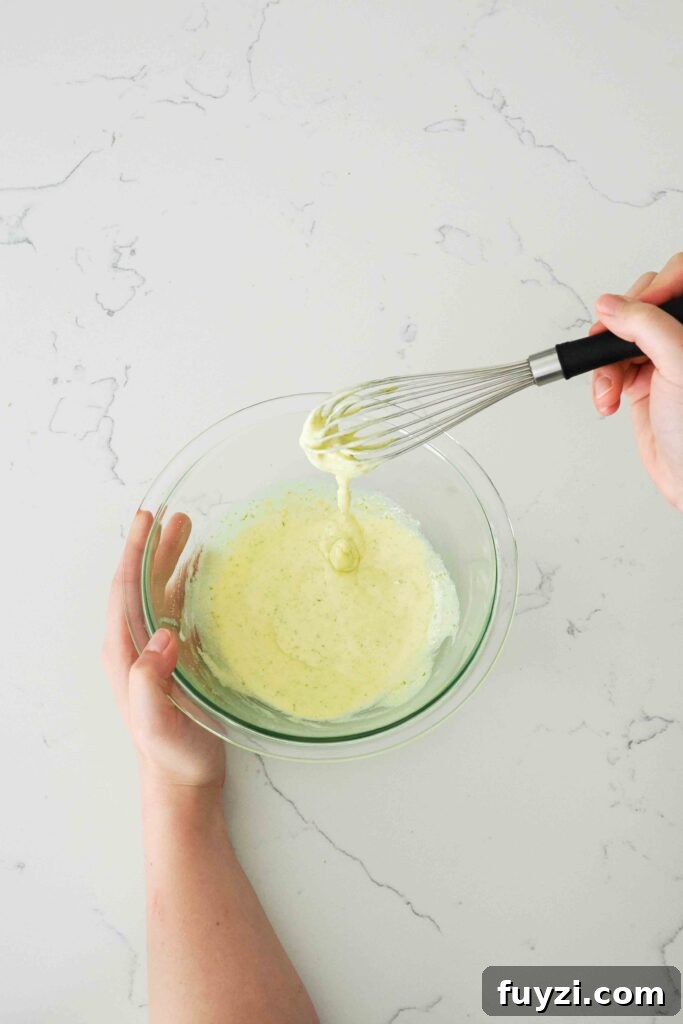
Add the egg yolks and whisk vigorously for about a minute until the mixture becomes a thick, pale yellow ribbon.
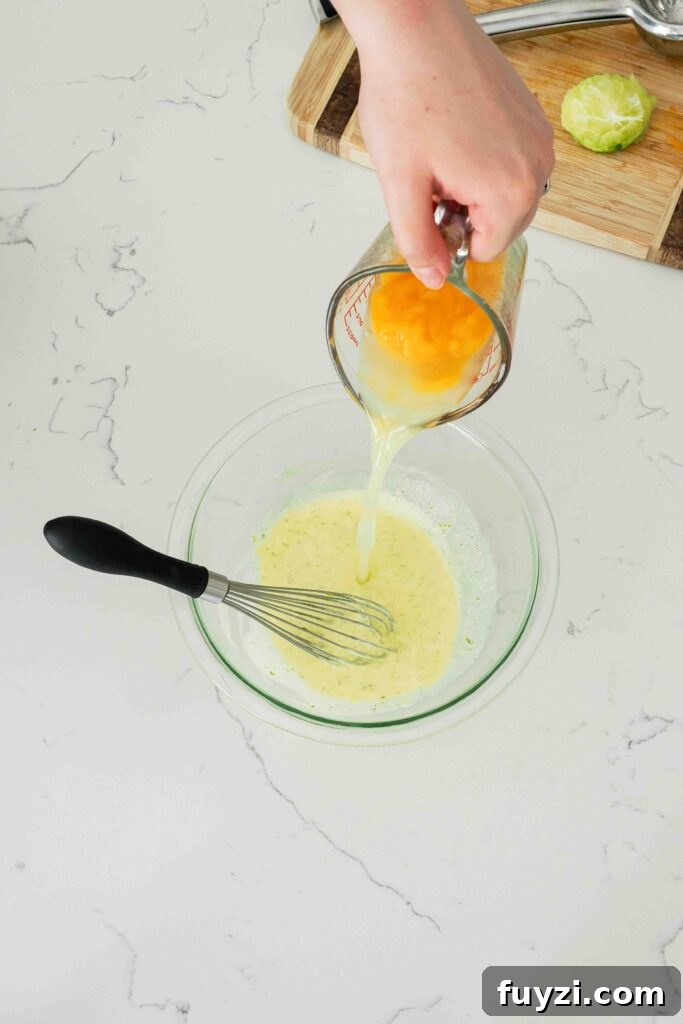
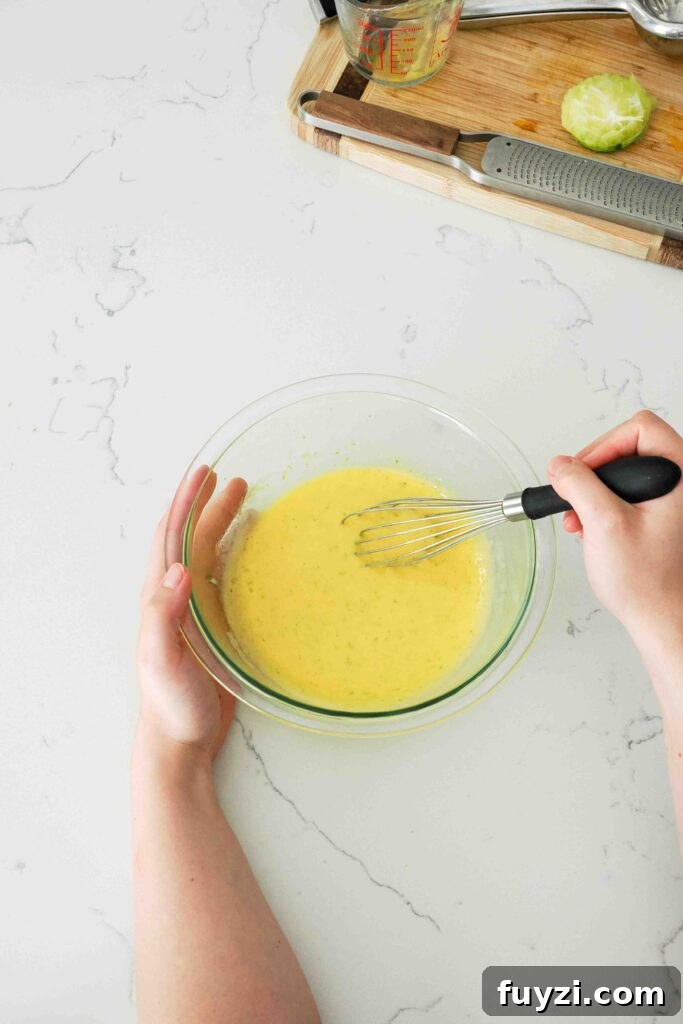
Juice the lime into a measuring cup, then add mango puree until the combined liquid measures about ½ cup (120 ml). Pour this into the sugar-and-yolk mixture and whisk until uniform.
Cooking the Mango Curd
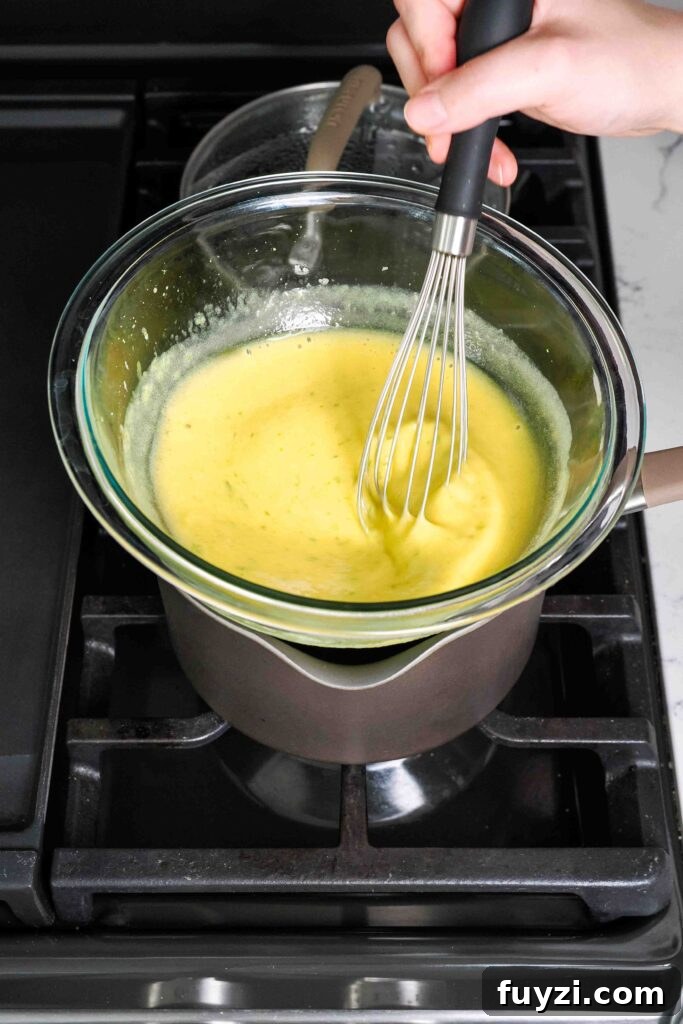
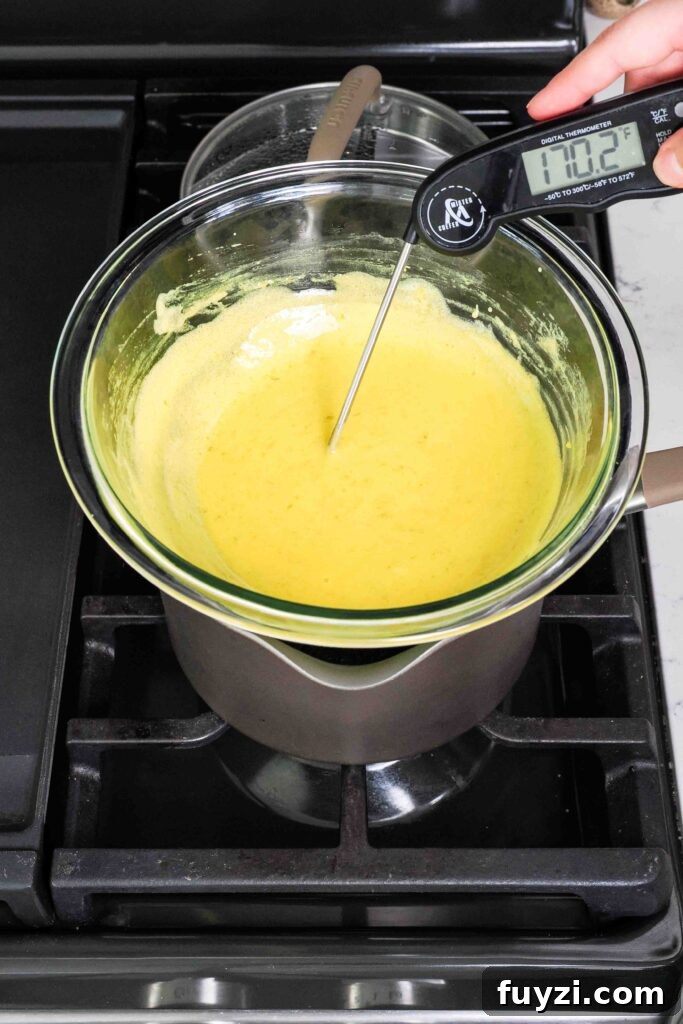
Place the bowl over a pot of gently simmering water (bain-marie). This indirect heat cooks the egg yolks evenly and reduces the risk of curdling. Whisk constantly while the curd heats.
Continue whisking for about 5–10 minutes until the curd thickens and reaches roughly 170°F (75°C). Proper heating is important for both food safety and to achieve the right thickness—curd cooked only to 140°F/60°C will remain quite loose.
Storing the Mango Curd
Once removed from the heat, whisk in the cubed unsalted butter until it melts and the curd becomes glossy and smooth. The butter enriches the flavor and improves texture.
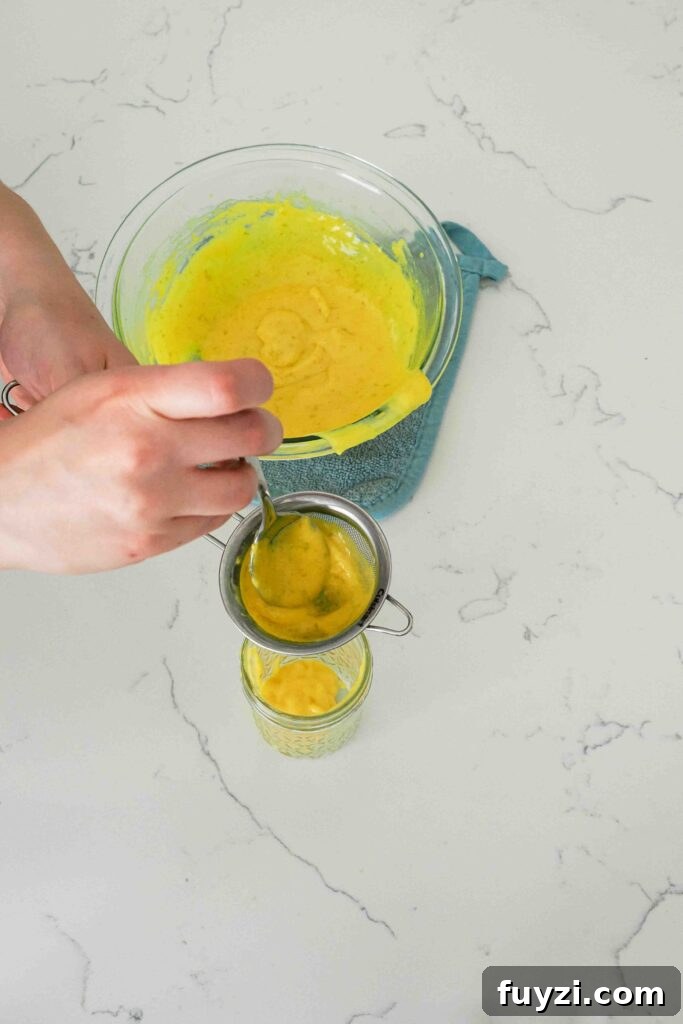
If you prefer no zest or want an ultra-smooth curd, pass the mixture through a fine mesh strainer to remove lime zest or any stray bits of cooked egg. Otherwise, leaving the zest adds a pleasant texture and bright flecks of flavor.
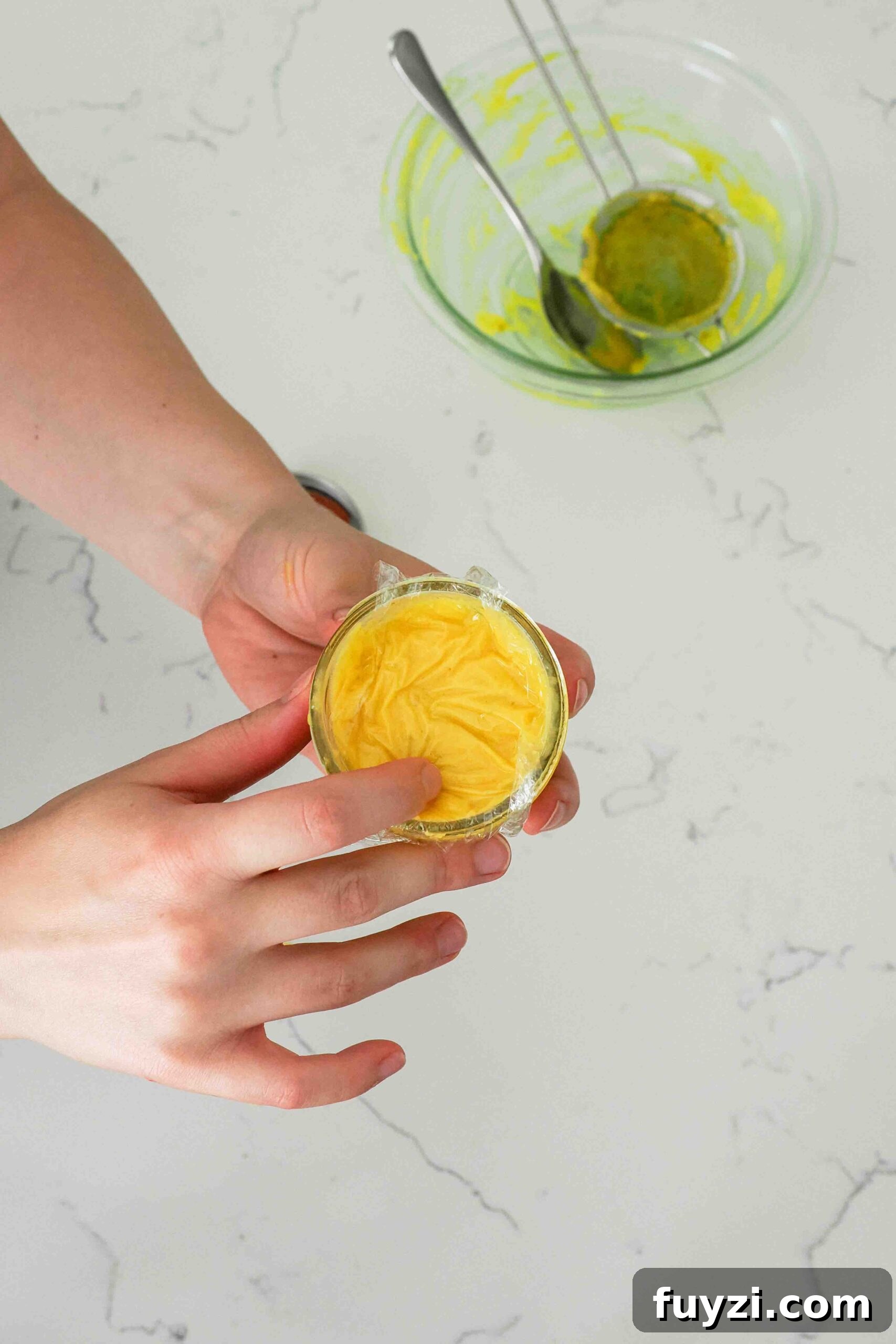
Transfer the curd into an 8-ounce (240 ml) jar. Press a piece of plastic wrap directly onto the surface to prevent a skin from forming, then refrigerate. Chill for at least two hours before using; overnight is best. Stored in an airtight container, the curd will keep in the refrigerator for a few weeks.
FAQs about Mango Curd
Can I use mango nectar to make mango curd?
No. Mango nectar is too thin and often sweetened and watered down. Use real mango puree for proper thickness and authentic flavor.
What’s the best mango to use?
Kent mangoes are an excellent choice when in season; Alphonso is also highly regarded. When fresh mangoes are out of season, choose unsweetened frozen or canned mango chunks.
Other Recipes You May Enjoy
Small-batch curds and jellies are ideal for filling macarons and making small desserts. A small-batch lemon curd makes the perfect amount for two batches of lemon macarons. Small-batch pomegranate jelly and small-batch cherry jam are also great for seasonal macaron fillings.
Dish Cleanup: A Lil Messy
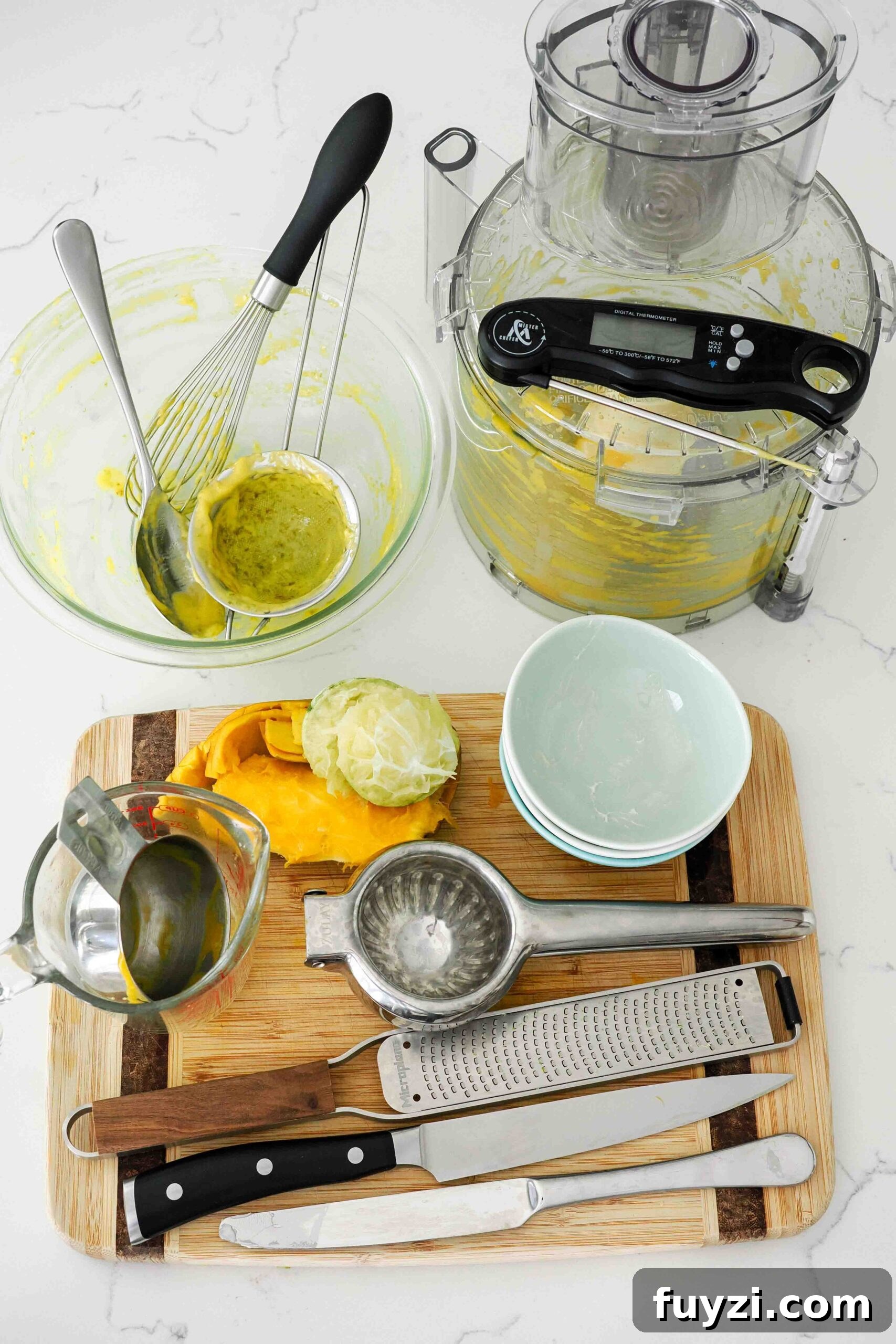
On a cleanup scale of 1 to 5 (1 = only a few dishes, 5 = everything), this recipe rates a 3. The food processor adds more cleanup than a basic curd, but otherwise the tools are standard: cutting board, knife, a mixing bowl for the bain-marie, whisk, and measuring cups. Rinse tools promptly so mango puree and curd don’t dry on surfaces.
Mango Lime Curd Recipe
Thanks for stopping by! If you make this small-batch mango curd and enjoy it, please leave a review to let others know how it turned out.
Small Batch Mango Curd
Made with mango puree and lime, this small-batch mango curd yields about 8 oz (240 ml) and adds a tropical flair to tarts, macarons, and cakes.
Ingredients
- ¼ cup (50 g) granulated sugar
- 1 lime — zest and juice
- 2 large egg yolks
- about ½ cup (about 120 ml) mango puree
- 2 Tablespoons (28 g) unsalted butter, cubed
Instructions
- Prepare a bain-marie: fill a medium pot with an inch or two of water and bring it to a gentle boil. Use a heat-safe bowl that rests over the pot without touching the water.
- Add the sugar to the bowl, zest the lime directly over the sugar, and whisk together to release the oils.
- Add the egg yolks and whisk vigorously for about a minute until the mixture thickens and turns pale yellow.
- Juice the lime into a measuring cup (about 1 Tablespoon), then add mango puree until the total liquid equals ½ cup (120 ml). Pour this into the sugar-yolk mixture and whisk to combine.
- Set the bowl over the simmering pot, reduce the water to a gentle simmer, and whisk constantly until the mixture thickens and reaches about 170°F (75°C), about 5–10 minutes. Remove from heat.
- Stir in the cubed butter until fully melted and combined. If you prefer no zest or any lumps removed, strain the curd through a fine mesh strainer.
- Transfer to an 8-ounce jar, press plastic wrap directly onto the surface to prevent a skin, and chill in the refrigerator at least two hours (preferably overnight) before using.
Notes
*This recipe uses real mango puree, not mango nectar or juice. To make puree, peel ripe mangoes, slice the fruit from the pit, and blend until smooth. You can use fresh, frozen, or canned unsweetened mango chunks. Mango curd keeps in the refrigerator for up to a month; freeze for up to six months and thaw overnight in the fridge for longer storage.
Times & Servings
Prep Time: 15 mins • Cook Time: 10 mins • Chill Time: 2 hrs • Total Time: about 2 hrs 25 mins • Makes: 8 oz (240 ml)
Nutrition (per tablespoon)
Calories: 55 kcal • Carbohydrates: 6 g • Protein: 1 g • Fat: 3 g • Saturated Fat: 2 g • Cholesterol: 51 mg • Sodium: 13 mg • Sugar: 5 g
I’d love to see your results: take a photo and share it on social media with the recipe creator’s handle or hashtag to let her know how your mango curd turned out.